Last updated October 30, 2026
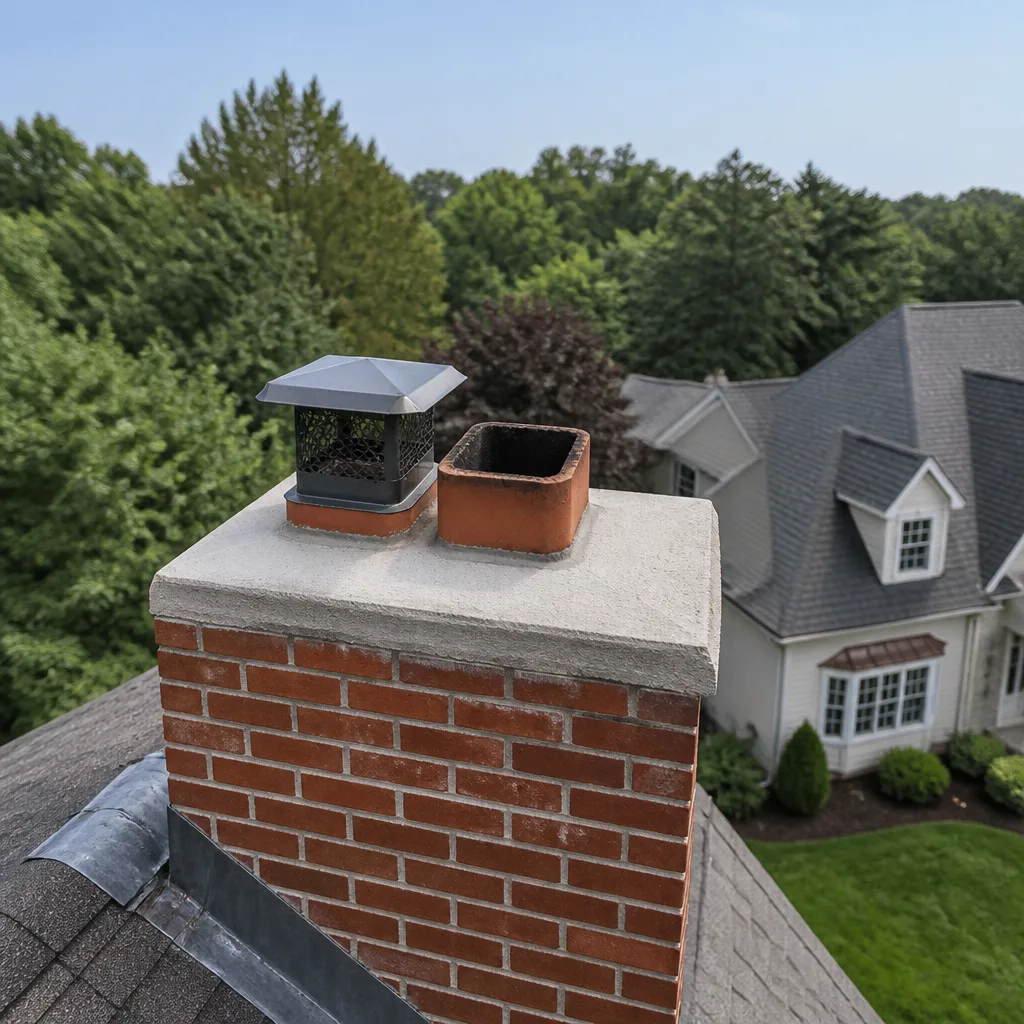 Sweep & inspection
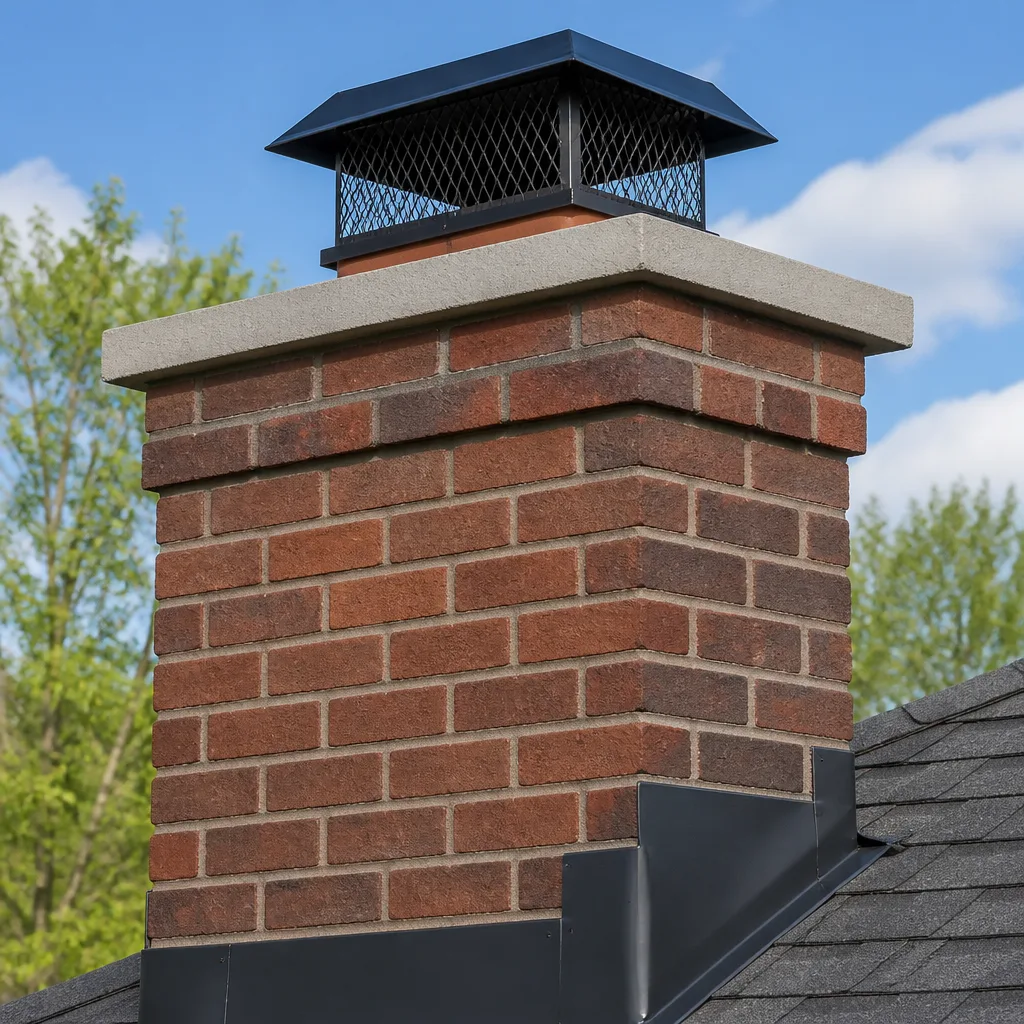 Caps & crowns
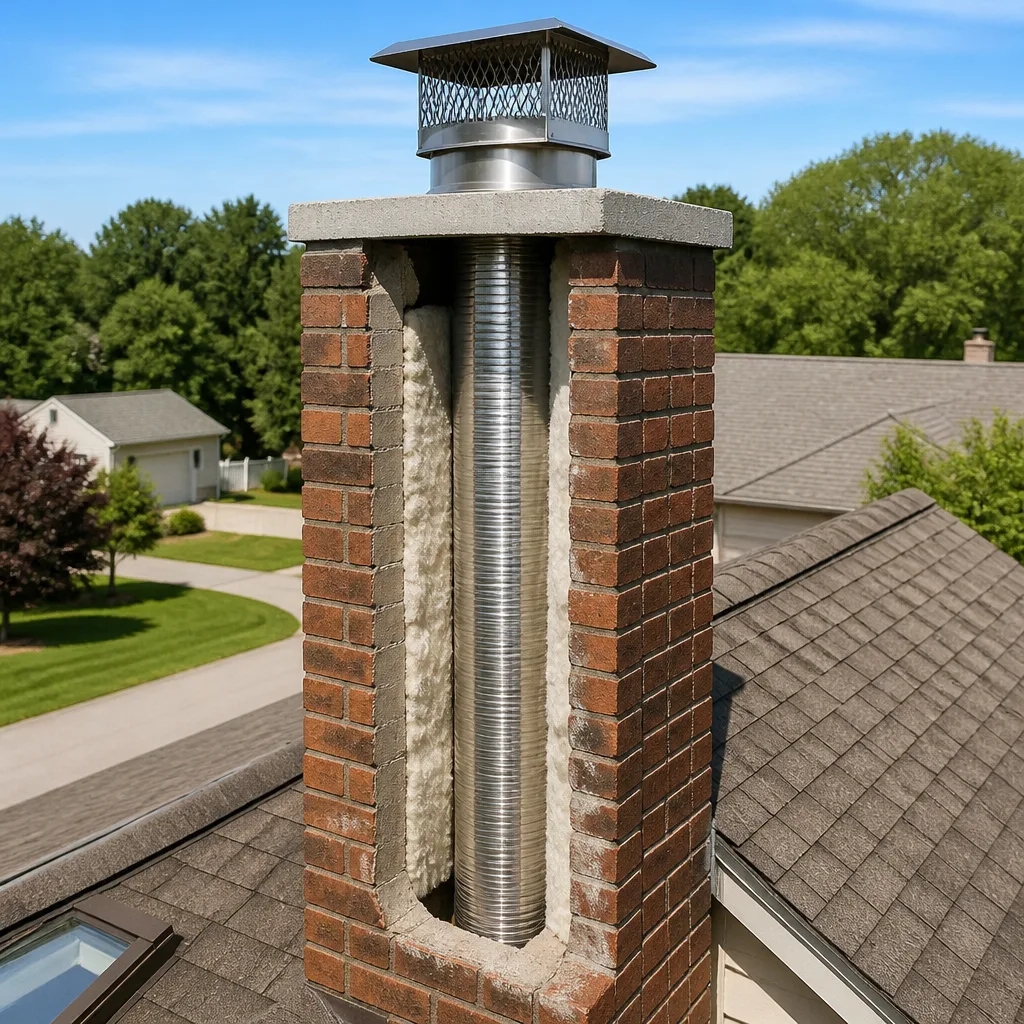 Flue relining
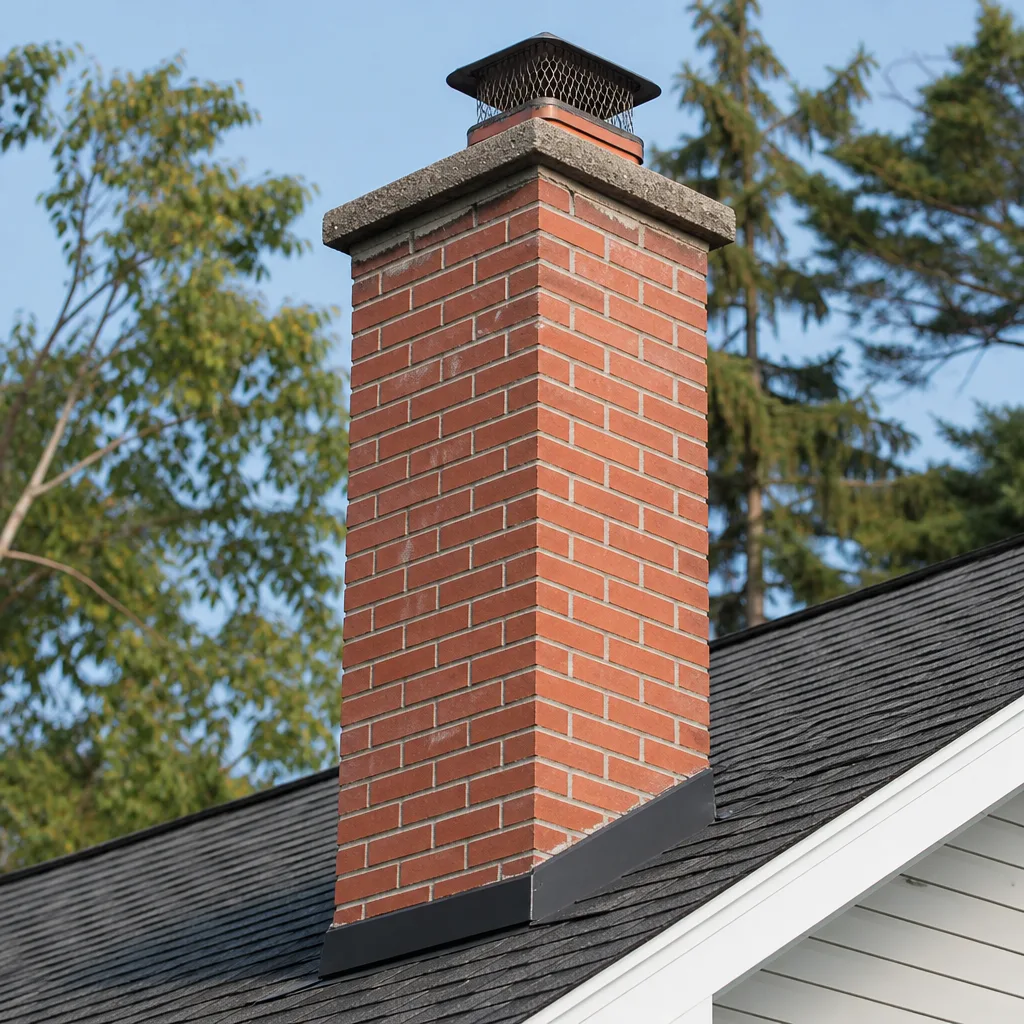 Masonry repair
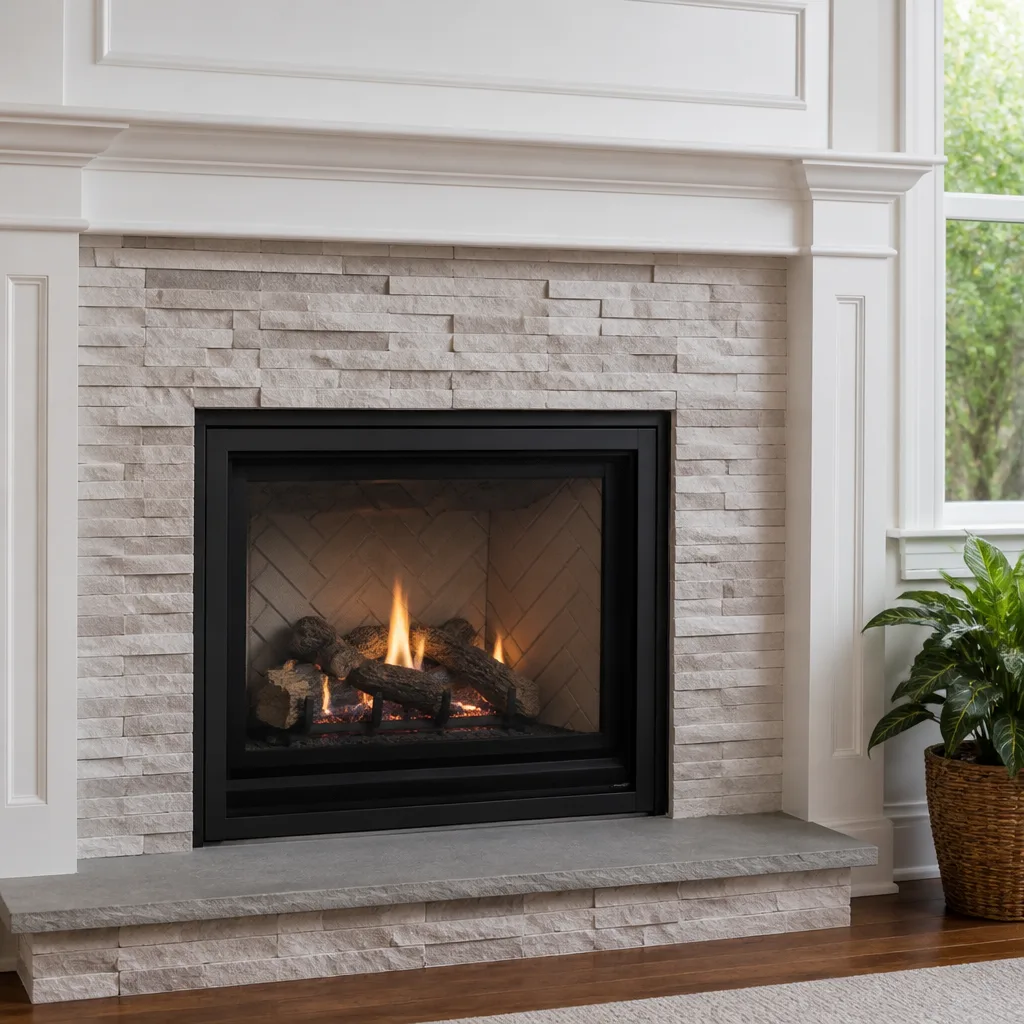 Gas fireplace service
Level 1 sweep and inspection to the NFPA 211 annual standard - flue, crown, cap, and flashing checked and photographed
Chimney sweep logs do not sweep chimneys. They loosen some creosote - which then falls where a brush and vacuum still have to collect it.
Chimney Cleaning Emergency Preparedness Guide for San Marcos Homes
A chimney fire burns at over 2,000°F, hot enough to warp stainless steel liners and fracture terracotta flues, and the most dangerous part is that from inside the house, it can look and sound like a particularly strong draft. Most San Marcos homeowners have no protocol for what to do in those first three minutes, which is exactly when the outcome is decided. This guide is written for the gap between ignition and the fire department’s arrival: what a chimney emergency actually looks like, what to do in the moment, and what to have ready before you ever light the first fire of the season. We’ll walk through the warning signs every San Marcos homeowner should know, the first-response sequence, the post-fire process, and the maintenance decisions in San Marcos that make an emergency far less likely in the first place.
Quick Answer
Chimney emergency preparedness in San Marcos means knowing how to identify an active chimney fire (a deep roar, dense smoke, and intense heat that feels wrong even for a strong fire), closing the damper and calling 911 immediately if you suspect one, and having a clear post-fire protocol that includes a professional inspection before the fireplace is used again. The single most effective preparedness step is annual professional cleaning and inspection before burn season, which catches the creosote buildup and structural flaws that cause most emergencies. After any chimney fire, the fireplace is out of service until a certified technician has documented the flue’s condition, because the fire may have compromised the liner in ways you cannot see from the hearth.
Styles & brands we work with
Table of Contents
- Warning Signs of an Active Chimney Fire
- First-Response Protocol: What to Do in the First Minutes
- Post-Fire Protocol: Why a Chimney That Looks Fine Still Fails
- What Your Chimney Technician Needs to Know After a Fire
- Preparedness Before the Season: Preventing Emergencies in San Marcos
- San Marcos-Specific Risk Factors
- Liner Materials and Emergency Resilience
- Common Mistakes to Avoid
- When to Call a Professional
- Frequently Asked Questions
Warning Signs of an Active Chimney Fire
The most dangerous misconception about chimney fires is that they announce themselves with visible flames from the chimney top. In practice, many chimney fires in San Marcos homes burn inside the flue, hidden from the living room, and the first signals are auditory and olfactory. A chimney fire creates a sound best described as a deep, freight-train roar coming from within the masonry, sometimes accompanied by a rhythmic popping or cracking as flue tiles fracture under thermal stress. This is distinct from the normal whisper of draft; if you have to raise your voice to be heard over the fireplace, something is wrong.
Smoke behavior shifts too. A normal fire sends thin, grey-white smoke up and out. An active chimney fire produces dense, dark smoke, sometimes with visible sparking at the chimney cap. Inside the house, you may notice an acrid, chemical-hot smell that doesn’t match the wood you’re burning. If you step outside and see heavy black or brown smoke rolling from the cap, or the chimney crown itself is radiating heat you can feel from the ground, treat that as an active emergency. In our experience across San Marcos homes, the two most common first reports are “the fireplace suddenly got very loud” and “there’s smoke coming into the room through the walls around the mantel,” the latter a sign of flue breach, not just a dirty chimney.
First-Response Protocol: What to Do in the First Minutes
The first minute of a chimney fire determines the scope of the damage. Here is the sequence we train our San Marcos clients to follow, in order.
- Close the damper if you can do so safely. This restricts oxygen flow to the fire. Do not reach into a hot fireplace or force a damper that won’t move. If the damper handle is hot, leave it.
- Close the fireplace doors or glass screen if present. This contains sparks and reduces the draw that feeds the fire. If your fireplace has no doors, do not improvise a barrier.
- Do not use water. Throwing water into a chimney fire produces violent steam expansion that can crack masonry and potentially injure you. This is the most common mistake we hear about after San Marcos chimney fires.
- Evacuate the house and call 911 from outside. A chimney fire can breach the flue and enter the attic or wall cavities within minutes. The fire department needs to assess the structure, not just the chimney. Tell the dispatcher it is a chimney fire, not a house fire, so they send the right response.
- Do not attempt to inspect the chimney, roof, or attic yourself while the fire is active or immediately after. Structural compromise is invisible and dangerous. Wait for the fire department to clear the scene.
The damper question deserves its own mention because it’s the piece most people get wrong. Closing the damper starves the fire of air, but only works if the damper functions and you can reach it without putting your hand near the firebox opening. A warped or jammed damper is a signal that the fire may already be affecting the firebox assembly. Your safety outweighs any property-protection step.
Post-Fire Protocol: Why a Chimney That Looks Fine Still Fails
After the fire department leaves, the most dangerous chimney in any San Marcos neighborhood is the one that “looks fine.” Chimney fires burn at temperatures that permanently alter the materials inside the flue even when the exterior brick or stone shows no visible change. Terracotta flue tiles crack and shift; stainless steel liners warp and buckle; mortar joints open up. Each of those changes creates a passage for heat, gas, and future fire to reach the wood framing of the house. A chimney that has experienced a fire and is returned to service without inspection is a house fire waiting to happen.
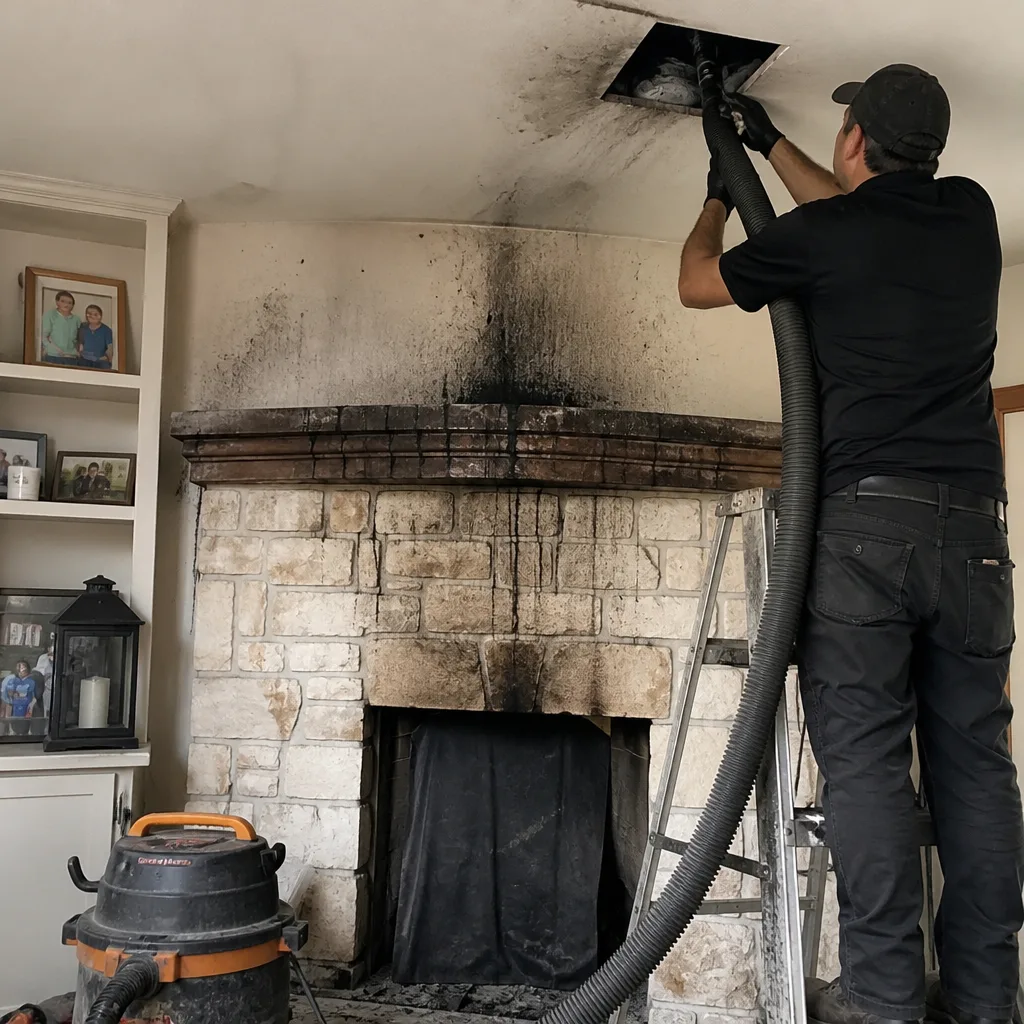
The inspection protocol after a chimney fire is different from a routine annual check. What the sweep needs is a documented, camera-inspected, fire-damage assessment, not a visual glance with a flashlight. The flue’s interior must be examined from top to bottom, looking for cracked tiles, liner deformation, soot-creosote residue that burned into a hard, glazed form called third-degree creosote, and any separation of the flue from the surrounding structure. If the fire burned hot enough to ignite creosote, it burned hot enough to change the flue’s physical properties.
Our position as a full-service Chimney Repair in San Marcos company means that when post-fire damage is found, we can scope and complete the repair rather than handing you a bid and a referral to someone else. After a chimney fire in San Marcos, the repair path often involves liner replacement with a Oakgrove Chimney Sweep home standard like DuraFlex, or HeatShield resurfacing for masonry flues that can be restored rather than fully replaced. We repair what we find, and we document everything for insurance purposes.
What Your Chimney Technician Needs to Know After a Fire
When you call a chimney professional after a fire, the quality of the information you provide directly affects the speed and accuracy of the repair scope. Have these details ready before the phone call.
- The date and duration of the fire. How long the fire burned before the fire department arrived, and roughly how long it burned inside the flue, changes the damage assessment.
- What you were burning. Seasoned hardwood, pine, manufactured logs, or unknown/treated wood all leave different residues and burn at different temperatures. Be honest about what went into the firebox.
- The sounds and smells you noticed. A roaring chimney fire sounds different from a slow, hot smolder. What you heard and smelled helps distinguish a one-time creosote ignition from a longer slow-burn that may have compromised more of the chimney structure.
- Fire department actions. If the San Marcos Fire Department used water, foam, or dry chemical agents, that material is now inside your flue and affects the cleaning process. It also tells us the fire’s intensity.
- Insurance documentation. Photos of the exterior and interior taken immediately after the fire, plus the fire department’s report number, form the basis for most chimney fire insurance claims. Ask the responding crew for the incident report number before they leave the scene.
- Your chimney’s history. When was the last cleaning? Was the chimney inspected before this season? Were there any known issues: a cracked cap, a damper that sticks, water stains on the ceiling near the chimney? This context frames whether the fire was an isolated incident or the endpoint of a neglected system.
We also recommend photographing the firebox, the chimney exterior, and any smoke staining on interior walls or ceilings before cleaning begins. Time-stamped photos are the most useful documentation for an insurance adjuster, and they preserve evidence that gets disturbed once cleaning and repairs start.
Preparedness Before the Season: Preventing Emergencies in San Marcos
The safest chimney fire is the one that never ignites. Annual professional cleaning and inspection is the single most effective preparedness step a San Marcos homeowner can take, and it works because creosote, the black tar-like residue that fuels chimney fires, accumulates through normal use and must meet Texas safety standards. Every wood fire produces creosote; the variable is how much, how fast, and whether it gets removed before it reaches combustible volume. The National Fire Protection Association’s standard, NFPA 211, calls for annual inspection and cleaning when any amount of hazardous creosote is present, and in practice that means a cleaning before burn season for any regularly used wood-burning fireplace.
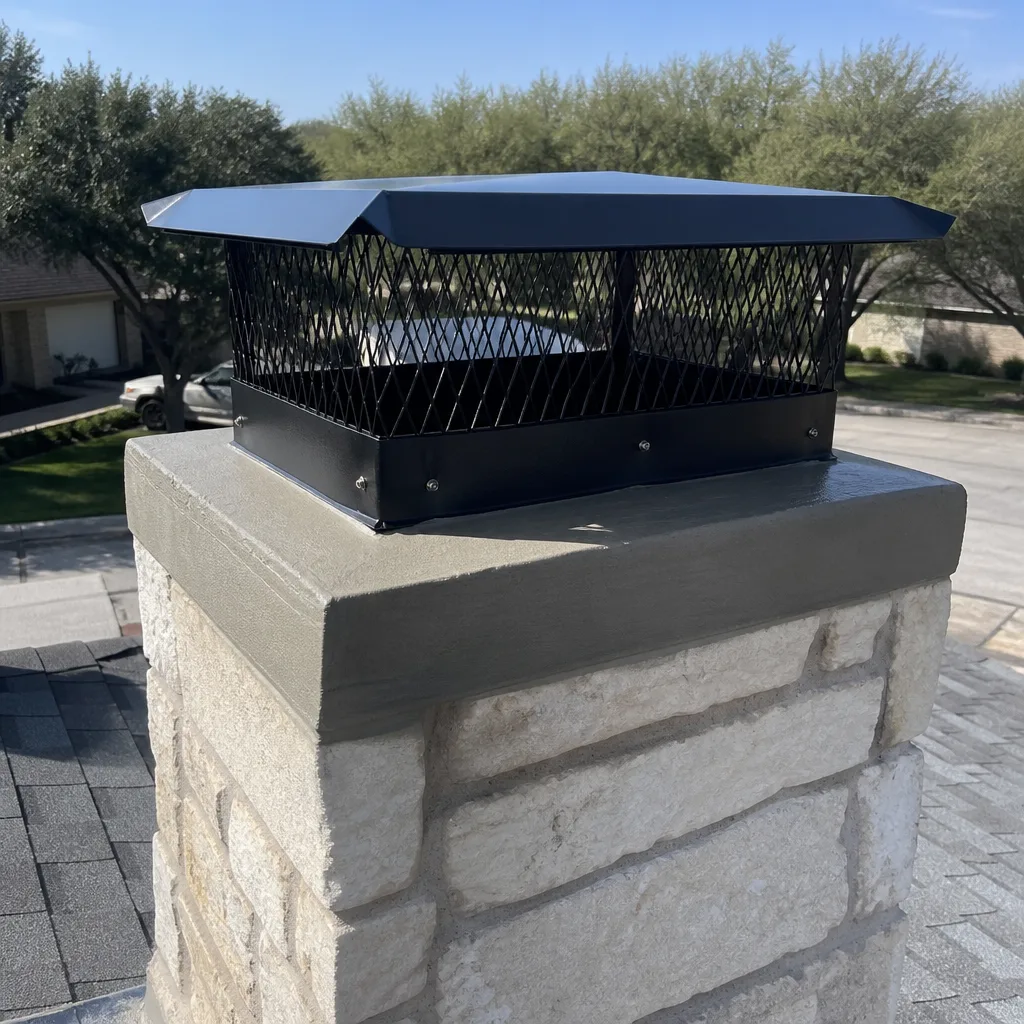
Beyond the cleaning itself, the components on and around the chimney affect emergency risk directly. A proper Chimney Sweep in San Marcos inspection includes the cap, the crown, the flashing, the damper, and the flue’s full interior length. A missing or damaged cap lets rain, birds, and debris into the flue, any of which can obstruct airflow or become fuel. A cracked crown lets water in, which degrades mortar and weakens the chimney’s structural integrity over time. The inspection part of a sweep is not a formality; it’s the diagnostic pass that catches what turns into emergencies later.
For San Marcos homeowners considering liner upgrades or replacements, what you install matters when the unexpected happens. The professional-grade materials we stock, including DuraFlex flexible liner systems, Gelco caps, Famco venting components, and Copperfield hearth products, are specified to withstand the thermal shock of a chimney fire better than hardware-store substitutes. Your flue is a combustion system. The parts inside it should be built to the same standard as the fire you plan to burn.
San Marcos-Specific Risk Factors
San Marcos sits in a climate that shapes chimney risk in two distinct ways. The first is humidity. Even in winter, San Marcos air carries significant moisture, and that moisture finds its way into masonry through hairline cracks and porous mortar. When a chimney is hot, that moisture turns to steam, and the expansion cycle slowly breaks down the flue from the inside. The second factor is the length of the burn season. San Marcos winters are short and often mild, which means fireplaces sit unused for eight to ten months a year. Creosote deposits from the last fire harden during the off-season, and a hard, shiny creosote layer ignites more easily and burns hotter than fresh, fluffy creosote. A chimney that sat uncleaned through a humid San Marcos summer is at higher risk on its first fire of fall than a chimney in a colder, drier climate that gets used continuously.
Older homes in established San Marcos neighborhoods, particularly those built before the 1980s, often have original terracotta flue liners with decades of thermal cycling behind them. Terracotta is genuinely durable, but it cracks. Each heating and cooling cycle stresses the tiles, and old tile plus a hot, fast fire is a combination that produces sudden flue failure. Newer construction in San Marcos with pre-fab chimneys has a different issue: factory-built chimney systems are rated for specific temperature limits, and some will not tolerate the temperatures of a chimney fire at all, warping or separating at the seams. The preventive answer in both cases is the same: inspect annually, and when a liner replacement is needed, install a system rated for the fire you’re actually going to build.
Liner Materials and Emergency Resilience
The liner is the single most important safety component in your chimney, and the material choice directly affects how the system performs in an emergency. A stainless steel liner, when properly specified and installed, tolerates higher temperatures and thermal shock better than terracotta. Terracotta tiles fracture under the 2,000°F plus conditions of a chimney fire, while a properly installed stainless system is more likely to deform but remain structurally intact long enough for the fire to burn out. This is why we standardize on DuraFlex when relining chimneys in San Marcos homes. It is built to handle the thermal cycling of regular use and the extreme conditions of a chimney fire without catastrophic failure.
For masonry flues that can be restored rather than replaced, HeatShield liner resurfacing is a professional-grade option that most generalist contractors cannot perform. HeatShield is a cerfied system that applies a ceramic material to the inside of an existing flue, sealing cracks and restoring the flue’s integrity without a full rebuild. We apply HeatShield in San Marcos chimneys where the masonry is otherwise sound but the flue tiles have begun to separate, and it returns the chimney to safe operating condition at a fraction of the cost of a full reline. The emergency relevance is direct: a chimney with a sealed, continuous flue surface is far less likely to ignite creosote to begin with, and far more likely to contain a fire if one occurs.
Homeowners sometimes ask whether the liner upgrade is worth it if they only burn fires a few times a year. The question is fair, and the answer is that infrequent use doesn’t reduce the severity of a fire; it often increases it. Infrequent use means the chimney operates with less predictable draft, less heat-dried creosote, and more moisture exposure between uses. A properly installed, properly rated liner is insurance against the day something goes wrong. In our experience in San Marcos, nearly every chimney fire we respond to involves a flue that had a known or visible issue that went unaddressed.
Common Mistakes to Avoid
- Assuming no visible flame means no fire. Chimney fires can burn entirely inside the flue with no flame visible from outside. The deep roar and dense smoke are the real indicators. Misreading these signs delays the 911 call.
- Throwing water into the firebox. The steam explosion from water on a hot chimney fire can crack masonry and turn a contained chimney fire into a structural fire. This is consistently one of the most damaging homeowner responses we see in San Marcos.
- Relighting the fireplace the next day without an inspection. A chimney fire changes the flue permanently. Surfaces that looked “fine” from the hearth are not fine, and the next fire burns in a chimney with unknown structural integrity.
- Skipping annual inspection because the chimney works. The chimney will usually “work” right up until it fails. Creosote buildup, cracked tiles, and deteriorated mortar don’t announce themselves until they fail, and by then the cost is measured in fire damage, not sweep fees.
- Burning unseasoned wood to save money on fuel. Wet, green wood produces more creosote per fire than seasoned hardwood. The “savings” from burning wet wood in a San Marcos fireplace get consumed many times over by the increased cleaning frequency and the elevated fire risk.
- Using the fireplace as an all-night heat source. Overnight smoldering burns produce the heaviest creosote deposits because the fire never burns hot enough to consume the byproducts. A hot, active fire is cleaner than a choked, slow-smoldering one.
- Ignoring dryer vent buildup while maintaining the chimney. Your dryer vent is also a combustion pathway. Lint ignites at a much lower temperature than creosote, and a clogged dryer vent is a house fire risk that gets overlooked because it doesn’t look like a chimney. We clean dryer vents with the same safety lens we apply to flues because the failure mode is the same: heat plus fuel plus restricted airflow.
When to Call a Professional
You should call a chimney professional after any chimney fire, suspected chimney fire, or event where the fire behaved unusually, including smoke entering the room, a sudden loss of draft, or sounds you haven’t heard before. You should also call if you haven’t had a cleaning and inspection in the past twelve months and you plan to use the fireplace this season. The same applies to Dryer Vent Cleaning in San Marcos: if you can’t remember the last time the dryer vent was cleaned, schedule it. Oakgrove Chimney Sweep offers free estimates in San Marcos for sweeping, repair, and dryer vent cleaning. Call (866) 472-2513 to book a thorough inspection, camera documentation, and a clear scope of any work your system needs.
Frequently Asked Questions
A chimney fire leaves three signatures: a deep, freight-train roar during the event, dense dark smoke and visible sparks from the chimney top, and afterward, a distinct change in the flue’s interior, visible as glazed, shiny creosote or cracked flue tiles on camera inspection. If you experienced any of these, the chimney is out of service until inspected. Call (866) 472-2513 to schedule a post-fire inspection in San Marcos.
Chimney cleaning in San Marcos typically runs between $180 and $280 for a standard wood-burning fireplace with a straight flue, with costs rising when the chimney has heavy creosote buildup, multiple offsets, or requires a specialized repair scope. Every chimney is different, and the honest answer requires seeing the flue. Call (866) 472-2513 for an exact quote, estimates are free.
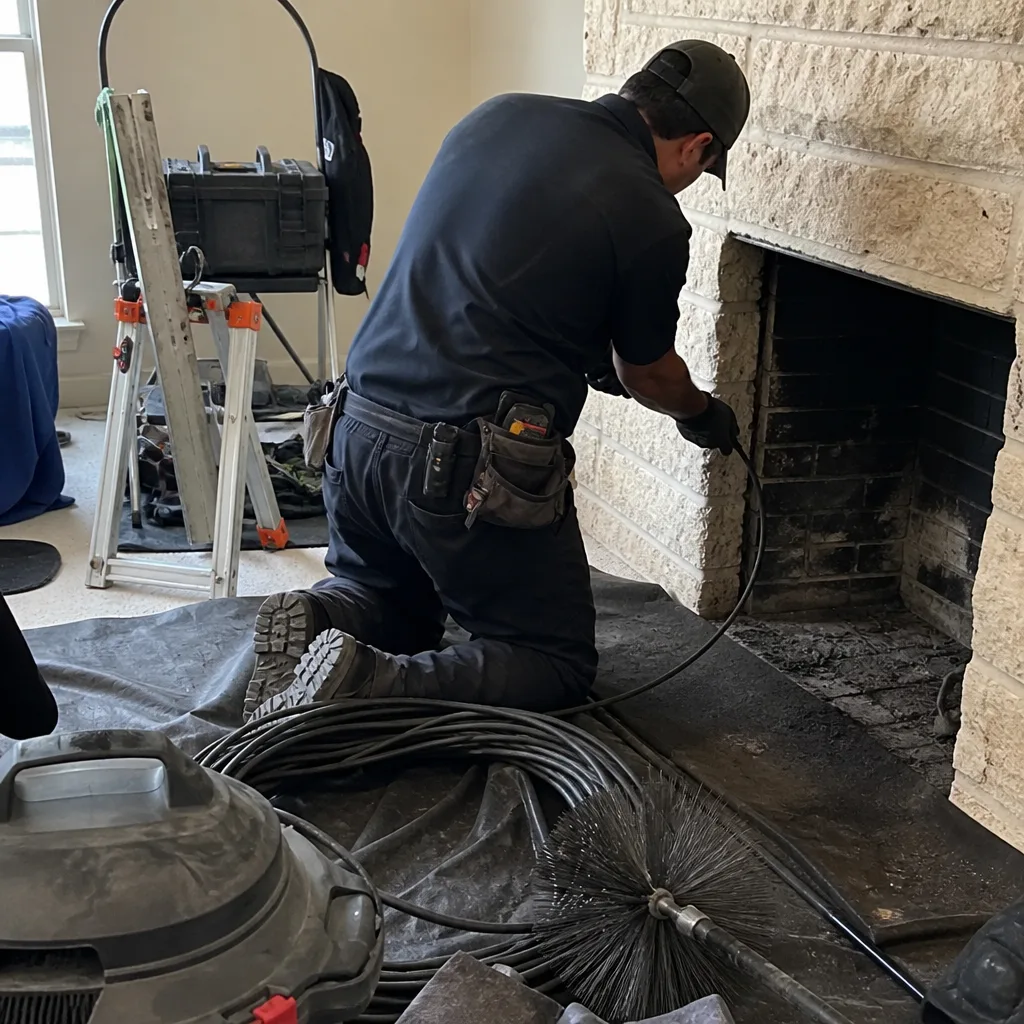
You can buy a brush and rods at a hardware store, but a proper cleaning requires a camera inspection to confirm the flue’s condition afterward, and most homeowners cannot safely or accurately assess fire damage, liner integrity, or masonry issues from a roof. We recommend professional cleaning and inspection because the diagnostic step is where the safety value is. A sweep without an inspection is just dust control.
This is a sign of flue breach, not a dirty chimney. Call 911 and evacuate. Smoke entering the living space through the wall assembly means heat and combustion gases are finding a path outside the flue, and that path may run through wall cavities. This is a fire emergency, not a maintenance issue.
At minimum once per year before burn season. In San Marcos, where the burn season is shorter and chimneys sit unused through humid months, the pre-season cleaning is the one that matters because it removes the creosote that hardened and changed during the off-season. If you burn frequently, more than twice a week through the winter, a mid-season inspection may be warranted.
Third-degree creosote is a hardened, glazed form of creosote that forms when creosote deposits are exposed to repeated high heat without being cleaned. It ignites more readily than fluffy first-degree creosote and burns hotter and longer. It also does not respond to standard brushing and requires specialized removal methods. Annual cleaning prevents creosote from reaching this stage at all.
The Bottom Line
Chimney emergencies in San Marcos are prevention-driven, not luck-driven. Know the warning signs: the deep roar, the dense smoke, the acrid heat. Know the protocol: close the damper if you can, call 911 from outside, and never throw water. Know the aftermath: no relighting without a camera-inspected, documented post-fire assessment. And know the preparation: annual cleaning and inspection, professional-grade liner and cap components, and a flue treated as the combustion system it is. For more guides & resources on keeping your home safe, visit our blog. If you haven’t had your chimney inspected this season, do it before the first fire. Call (866) 472-2513 to schedule a sweep and inspection in San Marcos.
Written by the team at Oakgrove Chimney Sweep, serving San Marcos since 2017.
See the difference
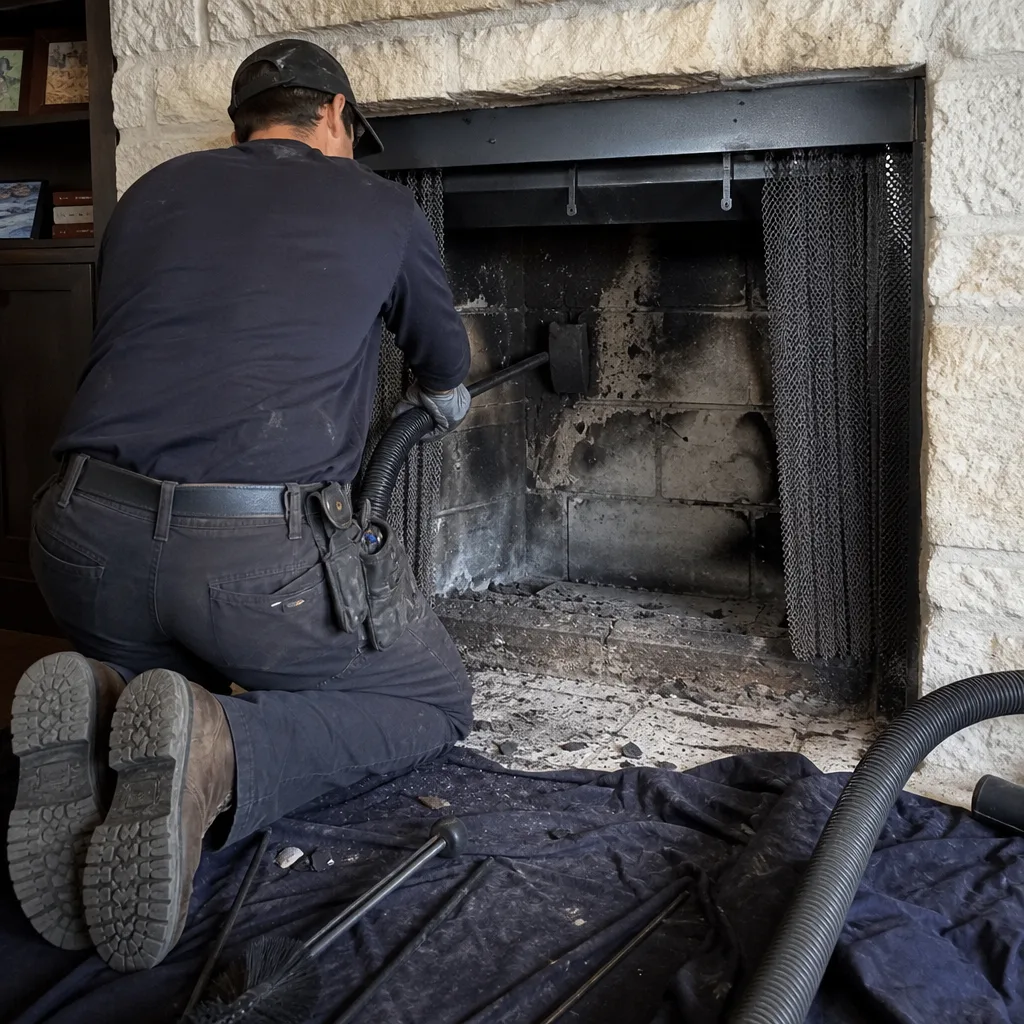 Before
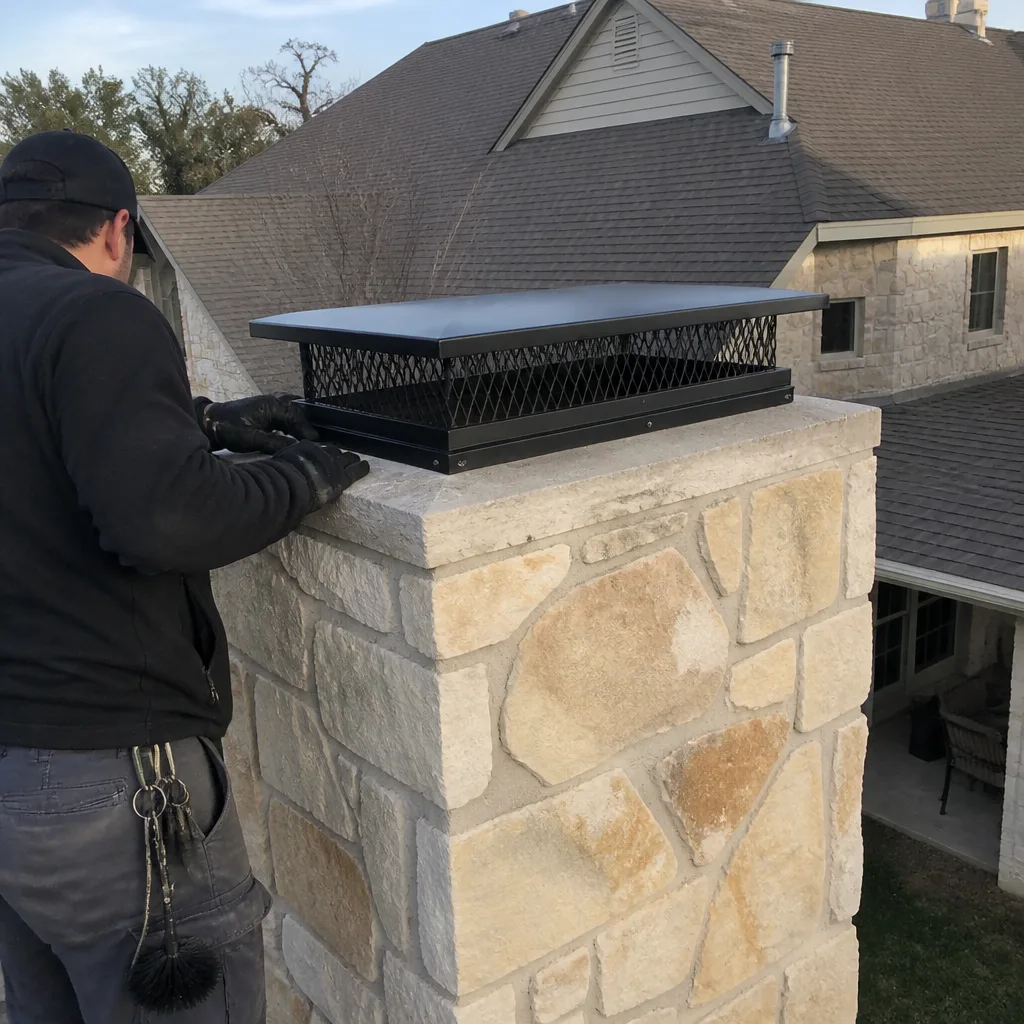 After
 Before
 After
 Before
 After