Last updated October 30, 2026
 Sweep & inspection
 Caps & crowns
 Flue relining
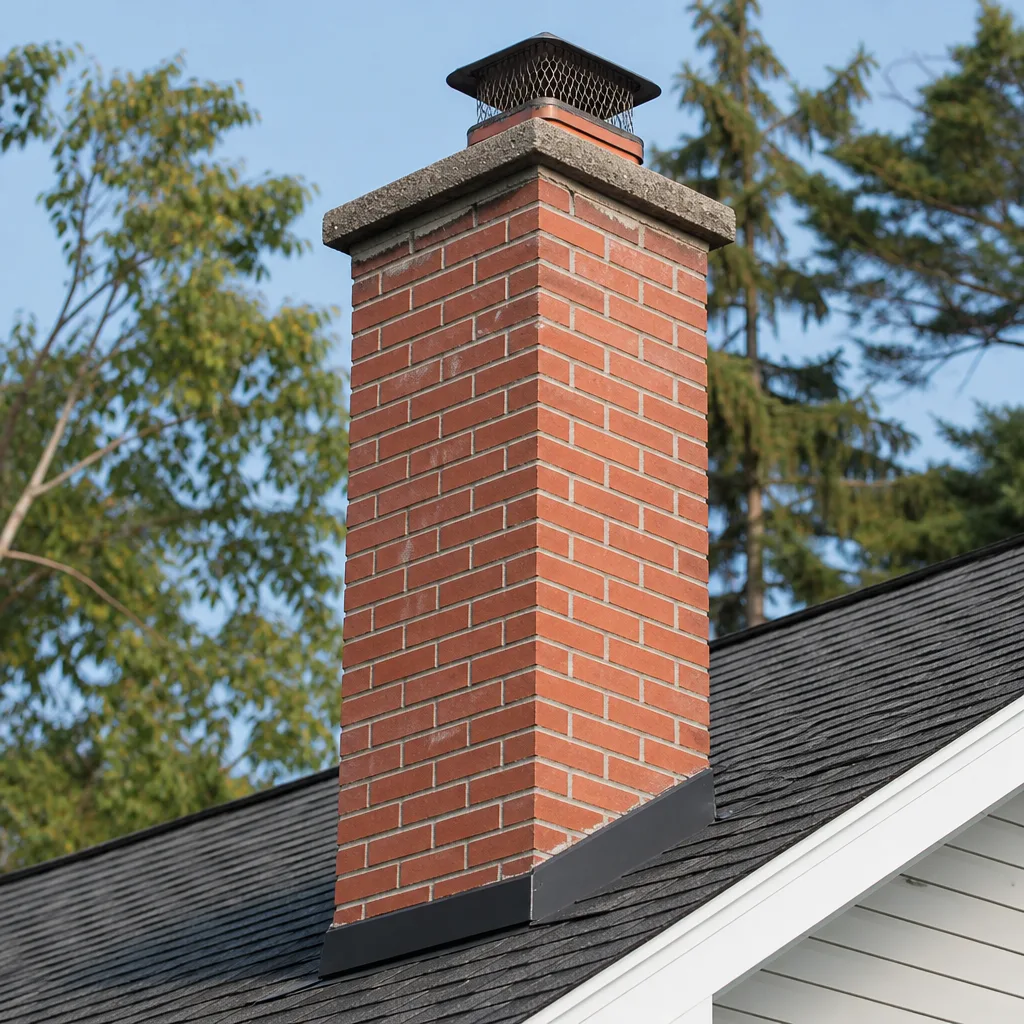 Masonry repair
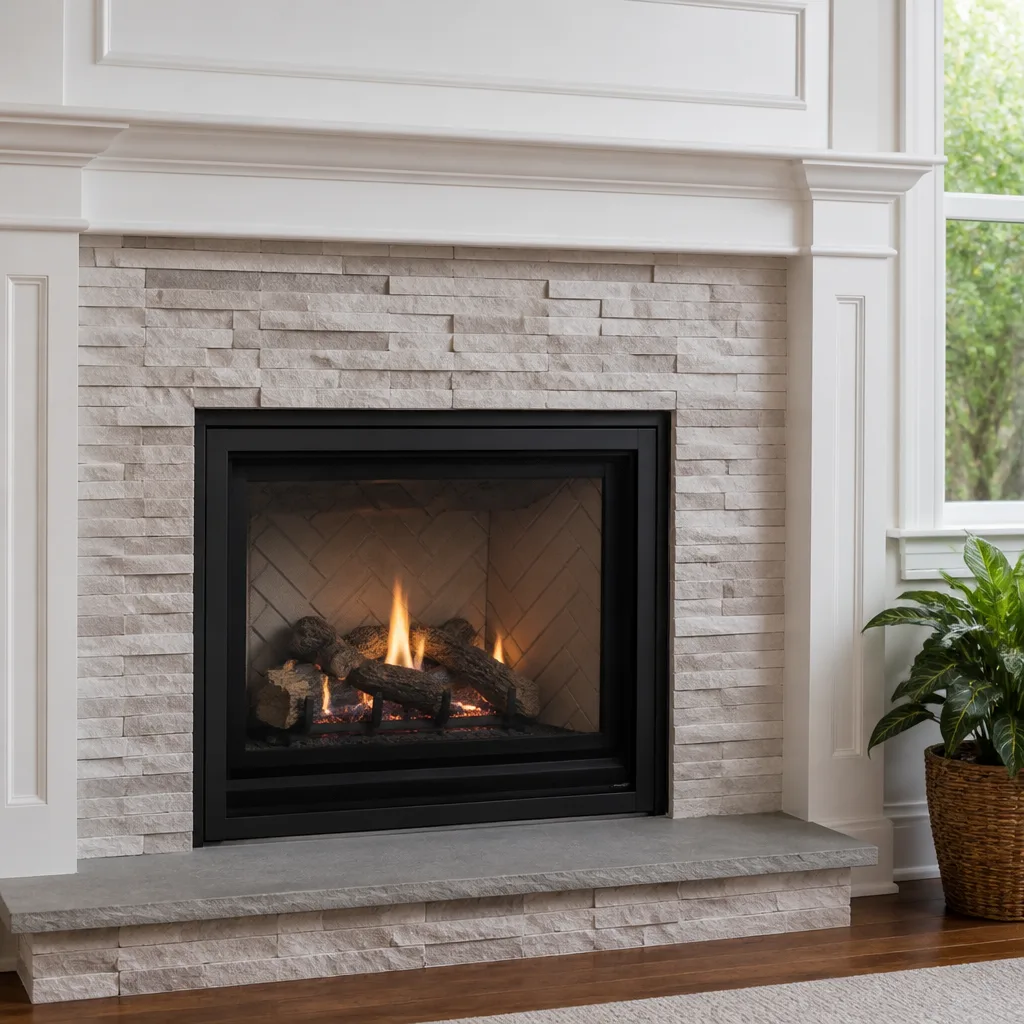 Gas fireplace service
Level 1 sweep and inspection to the NFPA 211 annual standard - flue, crown, cap, and flashing checked and photographed
Chimney sweep logs do not sweep chimneys. They loosen some creosote - which then falls where a brush and vacuum still have to collect it.
Chimney Cleaning Warning Signs: A San Marcos Homeowner’s Reference Guide
A white stain on your chimney’s exterior brick is easy to paint over, and it’s also one of the clearest early warnings of active water intrusion that most San Marcos homeowners misread as cosmetic. The difference between a $250 chimney sweep and a $4,000 liner replacement often comes down to catching that kind of signal in its early, fixable stage. This guide and our Chimney Sweep Troubleshooting: Common Problems and How to Fix Them are built to help you read the structural and behavioral indicators that precede smoke, smell, and water damage, so you know when a chimney in San Marcos needs attention and when it can safely wait.
Styles & brands we work with
Quick Answer
Chimney cleaning warning signs in San Marcos fall into two categories: the obvious smoke and odor signals that mean a problem already exists, and the earlier structural indicators like efflorescence, spalling, mortar erosion, draft irregularity, and cap damage that precede them. If you see white staining, flaking brick, falling mortar, or smell a campfire odor that persists for days after your last fire, schedule a professional chimney inspection. Catching these upstream signals is the most reliable way to avoid costly repairs down the line.
Table of Contents
- Efflorescence and Spalling: What Moisture Is Telling You
- Odor Patterns That Distinguish Creosote, Animals, and Liner Failure
- Draft Irregularities: Puffback, Slow Startup, and Inconsistent Draw
- Roofline Indicators You Can See From the Ground
- Glazed Creosote and Third-Degree Buildup
- Warning Sign Triage: Same-Week Service vs. Scheduled Inspection
- Common Mistakes to Avoid
- When to Call a Professional
- Frequently Asked Questions
- The Bottom Line
Efflorescence and Spalling: What Moisture Is Telling You
Efflorescence is a white, chalky deposit that forms on brick and masonry when water migrates through the chimney structure and evaporates on the surface, leaving dissolved mineral salts behind. In San Marcos, where summer heat cycles alternate with Gulf humidity and periodic heavy rain, efflorescence is a persistent signal that water is moving through your chimney’s masonry. It is not a cosmetic issue. It is evidence that your chimney’s water management system has failed or is failing.
Here is what we look for when we see efflorescence on a San Marcos chimney:
- Localized staining near the crown or shoulder of the chimney usually points to a cracked crown or insufficient overhang, letting rainwater soak directly into the topmost courses of brick.
- Efflorescence near the roofline or flashing often indicates failed flashing separation, a problem we see regularly after Texas windstorms pull the sheet metal away from the masonry.
- Broad staining across multiple faces of the chimney suggests moisture is rising through the structure from below, sometimes from a damaged interior flue liner that allows condensation to penetrate the masonry walls.
Spalling is the next stage: the brick face itself begins to flake, chip, or pop off. Water that penetrates the brick expands when it freezes during San Marcos’s occasional hard winter snaps, but more commonly, the expansion and contraction of heat cycles causes the brick to delaminate. When you can see red brick dust or small shards collecting at the base of the chimney, the structural integrity of the masonry is actively degrading. Spalled brick cannot be repainted or patched back to strength. It needs to be cut out and replaced by a chimney repair specialist in San Marcos before the damage migrates deeper into the flue system.
Mortar erosion follows the same pattern. If you rub your hand across the mortar joints of your chimney and it crumbles like sand, the mortar has lost its binding strength. In our experience, chimneys in San Marcos built before 1980 often used Type O mortar, which was common at the time but decomposes faster under our heat and humidity cycling. Repointing with the correct mortar mix is a routine repair, but leaving it unaddressed allows moisture to reach the interior flue and accelerates every other warning sign in this guide.
Odor Patterns That Distinguish Creosote, Animals, and Liner Failure
Chimney odors are not all the same, and the differences matter. A homeowner in San Marcos who can distinguish a normal cold-weather smell from an active problem will catch liner failures and animal intrusion months before they become emergencies. Our technicians train on odor identification because it is one of the fastest diagnostic tools a homeowner has.
- A campfire or bacon-grease smell that lingers for days after the fire is out is the classic signature of active creosote buildup. Creosote is hygroscopic, meaning it absorbs moisture from the air, and humid San Marcos summers amplify the smell even when the fireplace has not been used in months. This is not just an odor problem. It is a combustion-safety problem that requires a professional sweep.
- A sharp, acrid, chemical smell points to glazed creosote, the tar-like residue that forms during low-temperature, smoldering fires. Glazed creosote cannot be removed with a standard chimney brush and requires chemical treatment or mechanical removal. It is also the form of creosote most associated with chimney fires.
- A musty, dirty-sock, or barn-like smell almost always means animal intrusion. Birds, squirrels, and raccoons find open chimneys during San Marcos’s nesting season in early spring. The smell is usually nesting material and droppings, and it gets stronger when damp. Removing the animal and the nest requires careful handling, and the moisture from the nesting material can worsen existing creosote deposits.
- A sulfur or egg smell on a gas fireplace may indicate combustion byproducts not drafting properly. This is a different odor entirely from wood smoke. If you use a gas insert in San Marcos and notice a sulfur smell when the unit is running, the venting system needs a professional inspection before your next use.
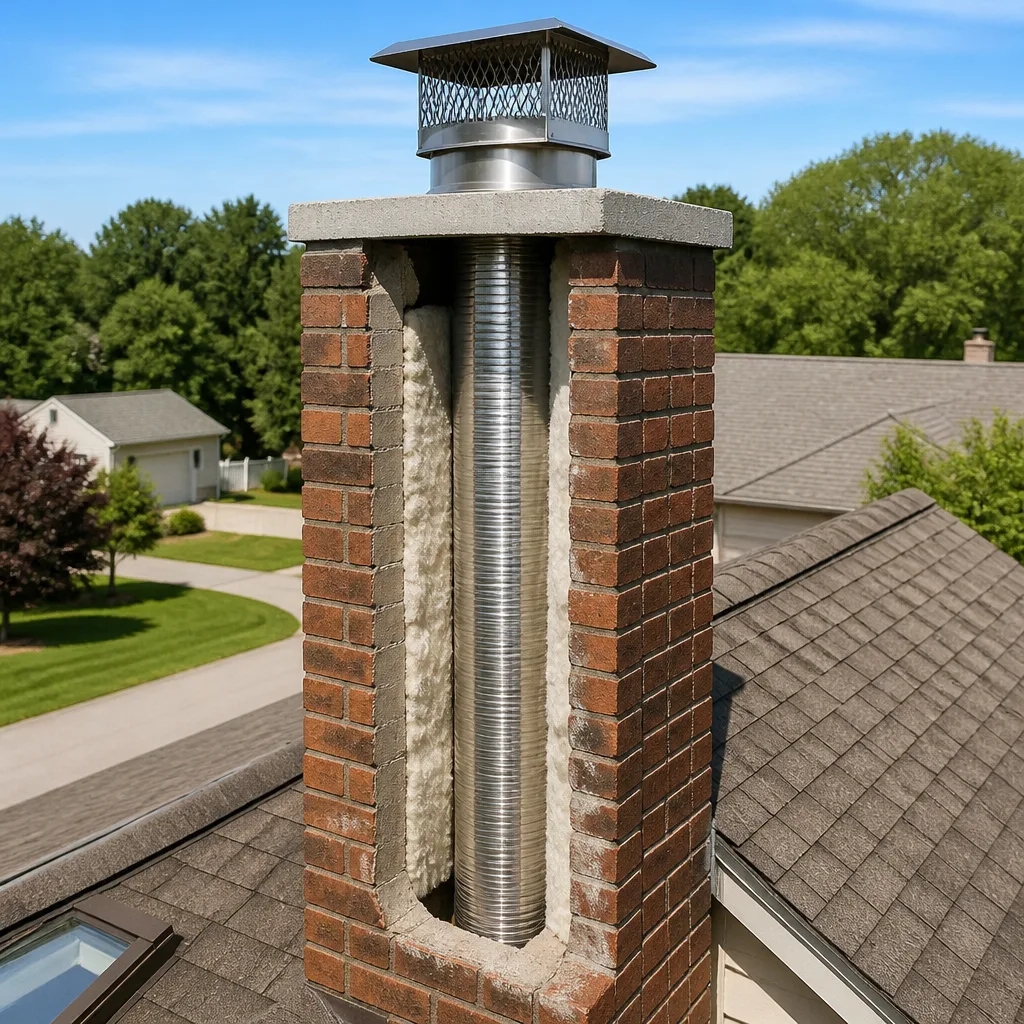
- A lingering fireplace smell when no fire has been burned for a week or more can also indicate a cracked or deteriorating flue liner allowing smoke residue to collect in the masonry. We have diagnosed liner failures in San Marcos homes based on smell alone, confirmed with camera inspection, and repaired the flue with HeatShield liner restoration before the damage progressed to a full reline.
The key distinction: a light wood-smoke smell immediately after a fire is normal. A smell that persists, intensifies, or changes character is a warning sign that something inside the flue has changed and deserves a professional look.
Draft Irregularities: Puffback, Slow Startup, and Inconsistent Draw
Your flue is a combustion system, not just a vertical pipe. A properly functioning chimney creates a consistent negative pressure that draws smoke up and out. When that draw falters, even intermittently, the cause is almost always structural. In San Marcos, where homes can sit at different elevations and air pressure shifts with Hill Country weather patterns, draft performance tells us a lot about the health of the entire system.
Here are the draft irregularity patterns we ask San Marcos homeowners to watch for:
- Puffback is a sudden reversal where a puff of smoke enters the room when the fire is first lit. It usually means the flue is cold, the firebox is larger than the flue can handle, or there is an obstruction near the smoke shelf. Occasional puffback on a cold winter morning in San Marcos is not unusual, but consistent puffback every fire is a sign the flue dimensions or internal condition are no longer adequate.
- Slow startup describes a fire that takes several minutes to establish a reliable draw, with smoke lingering at the top of the firebox before climbing. This can be caused by a closed or partially blocked damper, creosote narrowing the flue passage, or negative pressure inside the house created by exhaust fans and tight construction. If you have to open a window near the fireplace to get the fire going, the chimney is competing with your home’s other ventilation systems, and a professional can diagnose whether the problem is the chimney, the house, or both.
- Inconsistent draw means the smoke direction changes during the fire, sometimes pulling cleanly and sometimes rolling into the room. This often signals a partial obstruction higher in the flue, a failing chimney cap, or wind-induced downdraft that a properly sized Gelco cap would correct. We see this in San Marcos neighborhoods with tall two-story homes and minimal tree cover, where open terrain allows wind to hit the chimney top directly.
Draft problems are a diagnostic warning sign because they point to causes you cannot see from the living room. A camera inspection through the flue typically identifies whether the issue is creosote, animal debris, liner damage, or simply an outdated chimney top. The sooner the draft is evaluated, the cheaper the fix. A professional chimney sweep in San Marcos can combine the cleaning with the camera inspection in a single visit.
Roofline Indicators You Can See From the Ground
You do not need a ladder to gather useful diagnostic information about your chimney. Standing in your yard and looking up at the roofline can reveal five warning signs that most San Marcos homeowners never notice until water damage appears inside the house.
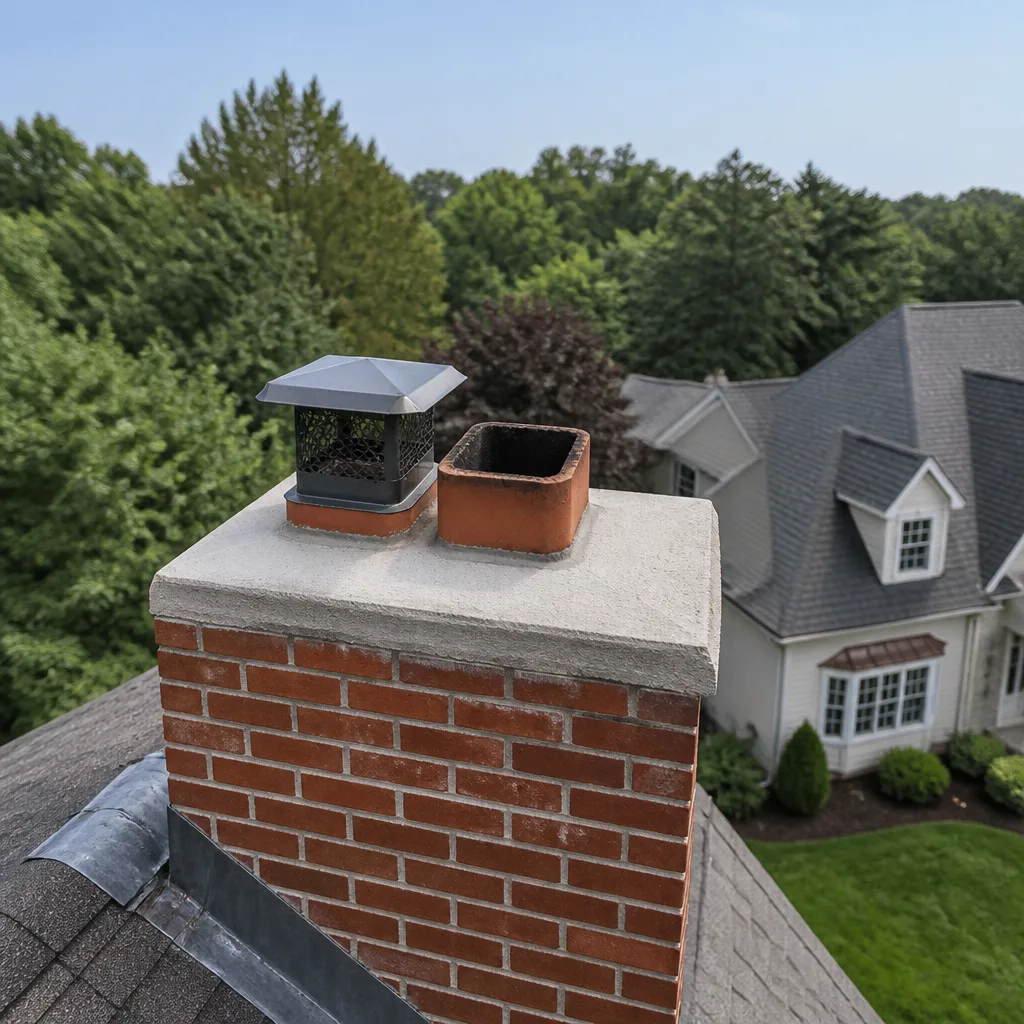
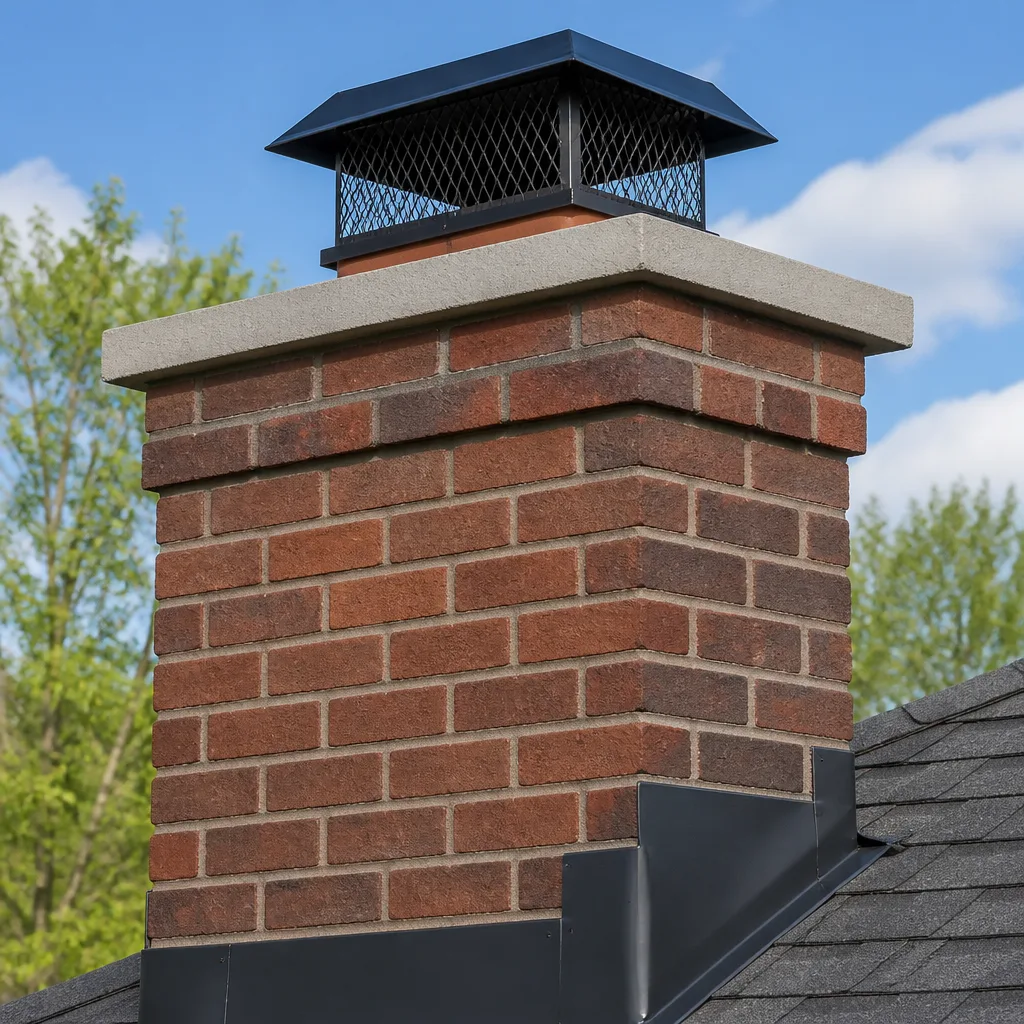
- Cap condition. A missing or damaged chimney cap is the single most common entry point for animals and rain in San Marcos. If the cap is rusted through, bent, or no longer sitting squarely on the flue, the exposed opening is an invitation for both water and wildlife. We stock and install Gelco chimney caps because they hold up to Texas sun and gusting wind better than most big-box alternatives.
- Flashing separation. Flashing is the sheet metal that seals the joint where the chimney meets the roofline. If you can see gaps, lifted corners, or missing sections, water is getting behind the flashing every time it rains. San Marcos’s spring storm season pushes this apart more aggressively than steady drizzle would. Flashing repair is a same-week priority before the next heavy rain.
- Crown cracking. The chimney crown is the concrete slab at the very top of the masonry. Hairline cracks are normal as concrete ages, but spiderweb cracking or a missing chunk of crown allows water to soak the masonry below. This is a classic example of a warning sign that can wait a few weeks for a scheduled repair window, unlike flashing, which should be addressed sooner.
- Efflorescence visible from the ground is worth noting even when it is not yet severe. The earlier moisture is caught, the less structural repair the chimney needs.
- Leaning chimney. If the chimney appears to be separating from the house or leaning at the roofline, this is not a cleaning issue. It indicates a foundation or structural problem, and it is the one sign in this guide where urgent professional evaluation is clearly warranted.
When we perform a sweep in San Marcos, we follow our Chimney Sweep Maintenance Checklist for San Marcos Homeowners, including a roofline inspection as part of the service, documenting what we see with photos so you know exactly what needs attention and what can wait. A competent sweep starts at the bottom and ends at the top.
Glazed Creosote and Third-Degree Buildup
Not all creosote is the same, and the distinction matters if you heat with wood in San Marcos. Creosote forms in three stages, and the third stage is the one that causes chimney fires.
Stage one creosote is a fine, sooty powder that brushes away easily during a routine sweep. Stage two creosote is a crunchy, flaky deposit that requires more aggressive mechanical brushing. Both are manageable with regular maintenance.
Stage three creosote, called glazed creosote, is different. It forms when fires burn at low temperatures, producing a tar-like residue that bakes onto the flue walls and hardens into a shiny, glassy surface. Glazed creosote is highly combustible and dense enough that standard chimney brushes cannot scratch it. The most common cause is burning unseasoned wood at low airflow, but wet winters in the San Marcos area and occasional damp firewood contribute too.
The warning signs of glazed creosote include a strong chemical or tar odor from the fireplace, black shiny patches visible near the top of the chimney, and an inability to get a fire hot even with dry wood. If you see these signs, the flue needs chemical treatment or replacement of the liner, not just a standard sweep.
This is where material quality matters. For flues that are structurally sound but heavily glazed, we often recommend HeatShield liner restoration, a professional resurfacing product that restores the inside of a masonry flue to a smooth, insulated condition. It is a repair method most generalist handymen cannot perform, and it is one we specify when a flue is salvageable without a full DuraFlex reline. A chimney professional who does not inspect for glazed creosote is not doing the full job, and a homeowner who ignores stage three deposits is risking a fire inside the flue.
Warning Sign Triage: Same-Week Service vs. Scheduled Inspection
The hardest question most San Marcos homeowners face is not whether a chimney has a problem. It is whether the problem is urgent. Here is how we think about triage, based on what we have seen across hundreds of chimneys in Hays County.
Same-week service is warranted when:
- Your chimney cap is completely missing or the flue opening is exposed to rain and animals.
- Flashing has pulled away from the roofline during a recent storm.
- The flue smells strongly of glazed creosote or you see smoke entering the house during normal operation.
- Water is actively dripping into the firebox or you see water stains spreading on interior ceilings near the chimney chase.
A scheduled inspection within the next month is reasonable when:
- Efflorescence is present but limited to one section of the chimney.
- Mortar joints are eroding but no brick has spalled yet.
- Draft irregularity occurs only under specific weather conditions and the fireplace is otherwise usable.
- It has been more than two years since the last professional sweep regardless of symptom presence.
The specific warning signs that push a chimney into the same-week category are active water entry, exposed flue openings, and any sign of a combustion problem. The signs that can wait a few weeks are early-stage moisture migration and slow structural wear. When we evaluate a San Marcos home, we place every finding into one of these two categories so the homeowner has a clear decision, not an open-ended list of problems.
Common Mistakes to Avoid
- Painting over efflorescence. White staining is moisture evidence, not a blemish. Painting it seals the moisture inside the masonry and accelerates spalling. The correct response is identifying and fixing the moisture source, then addressing the surface.
- Assuming a gas fireplace never needs cleaning. Gas appliances produce combustion byproducts too, and the venting requires inspection. In San Marcos, gas inserts are common in newer subdivisions, and their vent systems degrade like any other.
- Ignoring dryer vent lint buildup as a separate problem from chimney care. Lint accumulation is a combustion risk, and if your home already has one fire pathway, the second should not be neglected. We perform dryer vent cleaning in San Marcos as a standard safety service, because vent blockage causes thousands of home fires every year.
- Burning unseasoned wood and wondering about creosote. Green wood is a primary driver of stage two and stage three creosote. If you burn wood in San Marcos, source your firewood a full season ahead and store it covered but off the ground.
- Waiting until smoke enters the house before calling. Smoke is a late-stage symptom. The structural and behavioral indicators covered in this guide all appear earlier and cost less to fix.
- Hiring a sweep crew that only sweeps. A chimney cleaning is a diagnostic visit. When the technician cannot also inspect, photograph, and repair what they find, the visit loses most of its value. Sweep, inspect, repair, one company.
- Scheduling a cleaning without checking the chimney cap. A cleaning with a damaged cap means animals and rain return within weeks. Cap condition should be part of every professional visit.
When to Call a Professional
Call a chimney professional in San Marcos when you see efflorescence appearing for the first time, when your fireplace smell changes character, when draft performance becomes inconsistent, or when your chimney has not been professionally inspected in over two years. These are not conditions that improve with time. A professional inspection turns them into a documented, prioritized list instead of a source of low-grade worry.
At Oakgrove Chimney Sweep home, we work as a full-service chimney specialist, meaning the sweep, inspection, and repair all happen under the same roof, with a single crew accountable for the whole job. We do not recommend repairs without camera evidence you can see for yourself, and we use professional-grade materials like DuraFlex, Gelco, and HeatShield because your flue is a combustion system, not a place for shortcuts. Oakgrove Chimney Sweep offers free estimates in San Marcos and the surrounding Hill Country. Call (866) 472-2513 to schedule a professional evaluation.
Frequently Asked Questions
The earliest signs are odor changes that persist after the fire is out, visible creosote accumulation on the damper or smoke shelf, draft irregularities like puffback or slow startup, and white efflorescence on the exterior brick indicating moisture has entered the chimney system. If you notice any of these, schedule a professional chimney sweep and inspection in San Marcos before the next heating season.
The standard recommendation is once per year for wood-burning fireplaces and once every one to two years for gas inserts, but San Marcos homeowners who burn more than a cord of wood per season or who burn unseasoned wood should expect to clean twice per year. A professional can assess the current creosote level and recommend a schedule based on your specific usage patterns.
Yes, a white stain called efflorescence is evidence that water is moving through the chimney masonry, not a cosmetic blemish. The correct response is to identify the moisture source, which is usually a cracked crown, failed flashing, or missing cap, and repair it before the moisture causes structural spalling. Painting over the stain traps moisture and makes the damage worse.
A damaged cap cannot directly cause a fire, but it can allow animals and nests into the chimney, which create obstructions that trap heat and smoke. A missing cap also lets rain mix with creosote, forming an acidic compound that corrodes the liner. Both conditions increase fire risk and both are preventable with a properly installed cap like the Gelco caps we use.
A persistent campfire smell during humid weather means creosote has built up inside the flue and is absorbing moisture from the air, amplifying the odor. Creosote is hygroscopic, and this is a clear sign the chimney needs professional sweeping before the next burn season. The smell is not the problem, the creosote underneath it is.
Inspection costs vary depending on whether the inspection is bundled with a sweep and whether camera documentation is requested, and San Marcos pricing tends to be aligned with the broader Austin metro market. The most useful number is the repair cost avoided when an inspection catches a problem early, which is why we recommend calling Oakgrove Chimney Sweep at (866) 472-2513 for a free estimate and a clear scope of work before any repairs are authorized.
The Bottom Line
Every chimney in San Marcos gives off signals long before smoke and water damage become impossible to ignore. Efflorescence, spalling, odor patterns, draft irregularity, and roofline indicators are the upstream warnings that catch problems early, when a professional sweep or a minor repair still resolves the issue. The distinction between a warning sign that requires same-week attention and one that can wait for a scheduled inspection is the difference between routine maintenance and major structural repair. Learn to read the signs, have your chimney inspected by a professional who can document what they see, and you will keep a safer, longer-lasting chimney. Call (866) 472-2513 for a free estimate in San Marcos.
Written by the team at Oakgrove Chimney Sweep, serving San Marcos since 2017. Explore more guides & resources.
See the difference
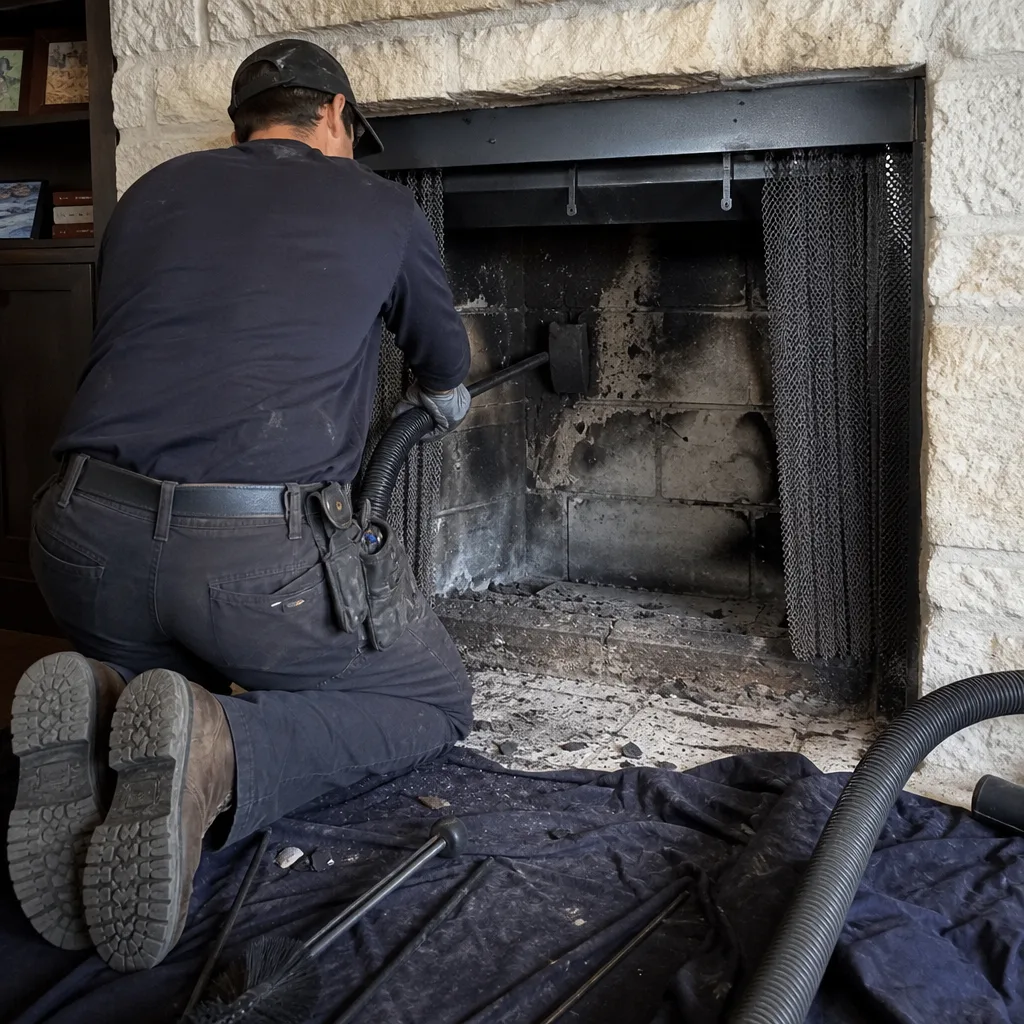 Before
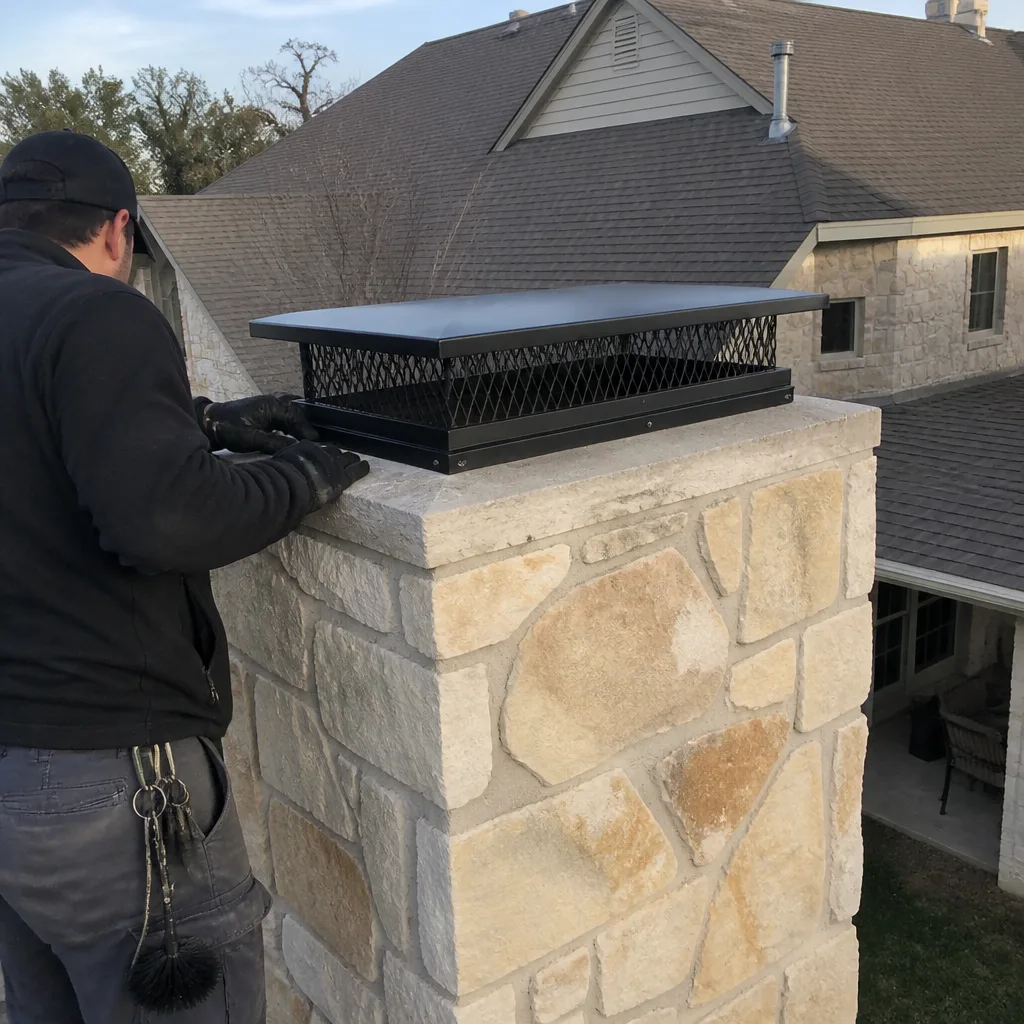 After
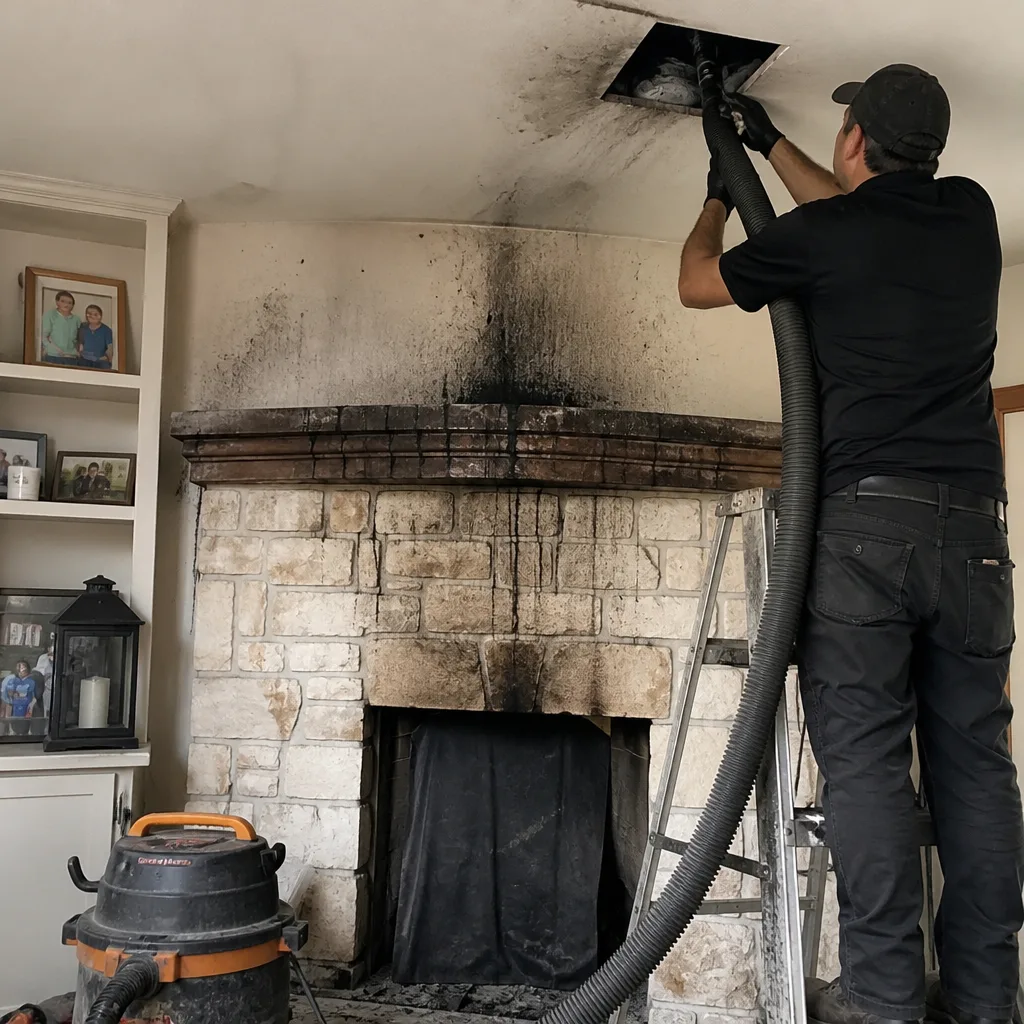 Before
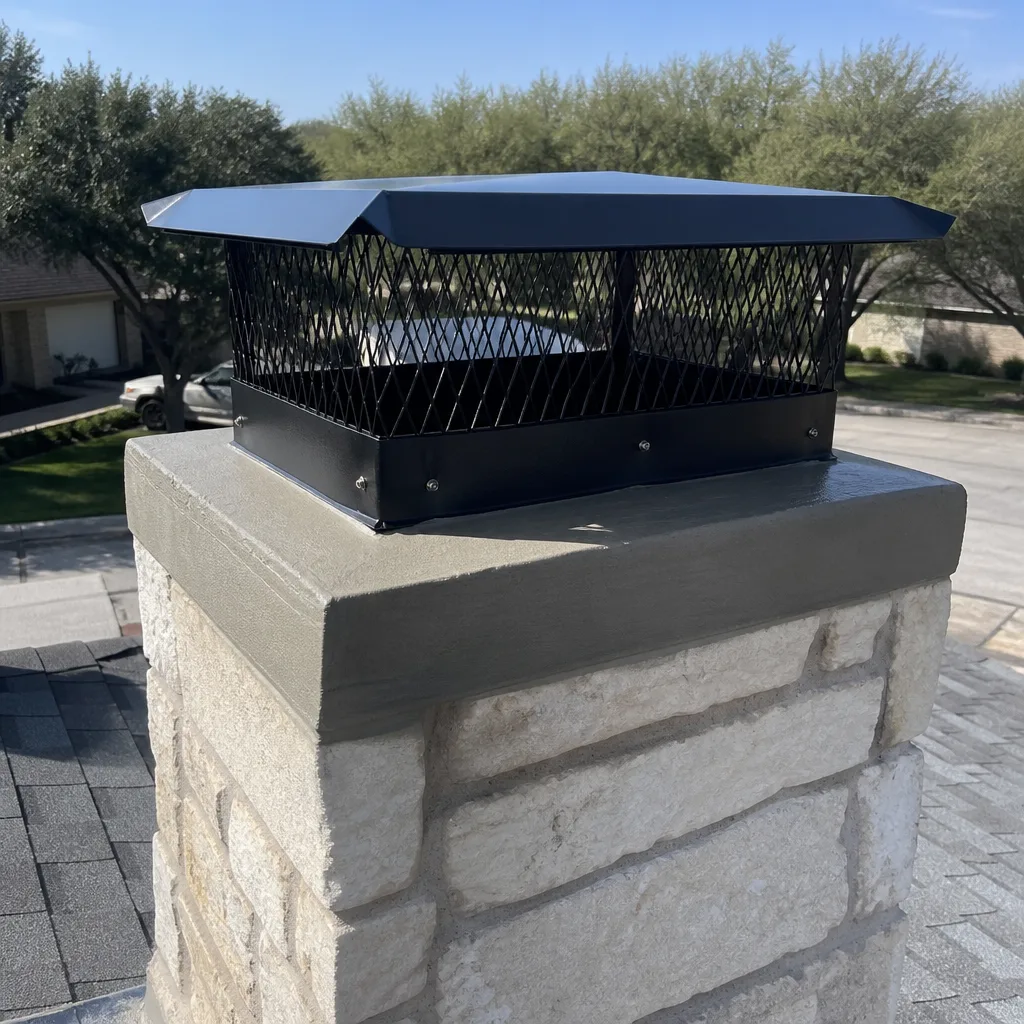 After
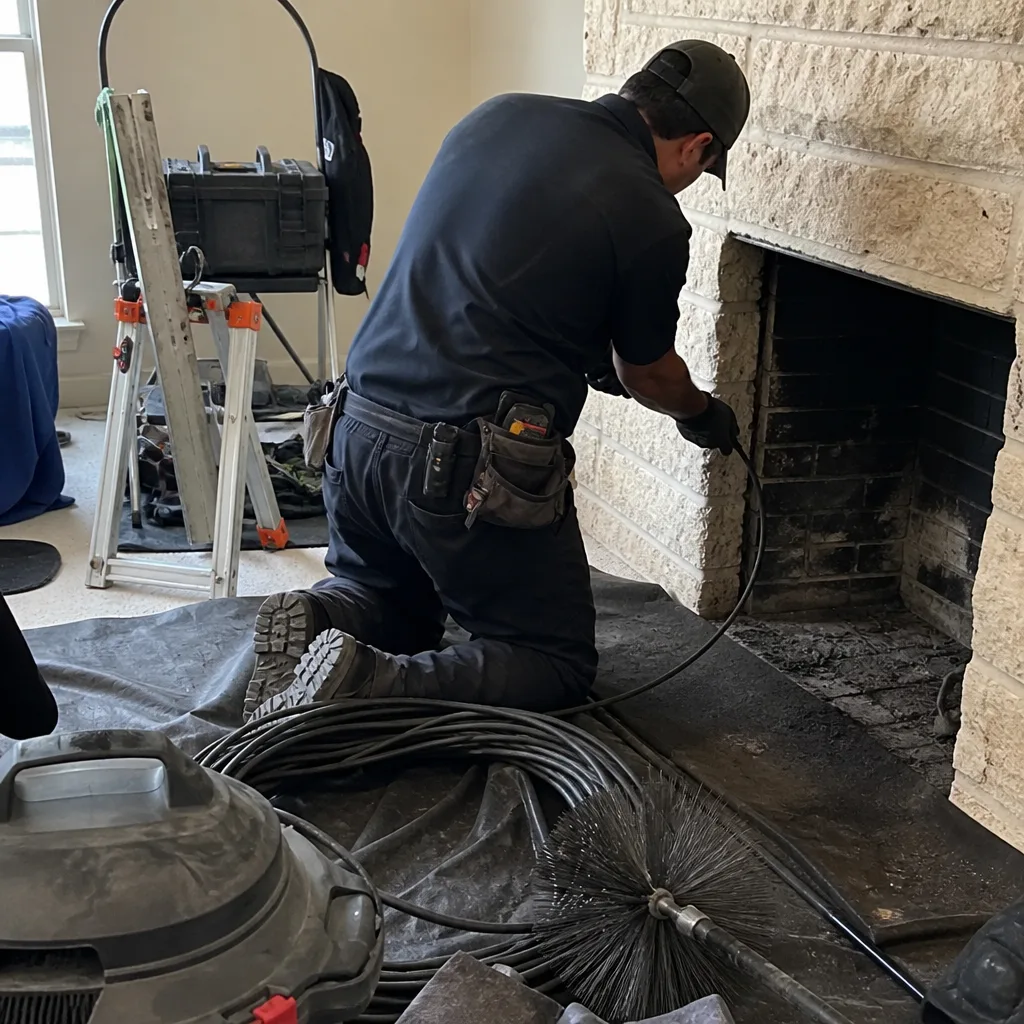 Before
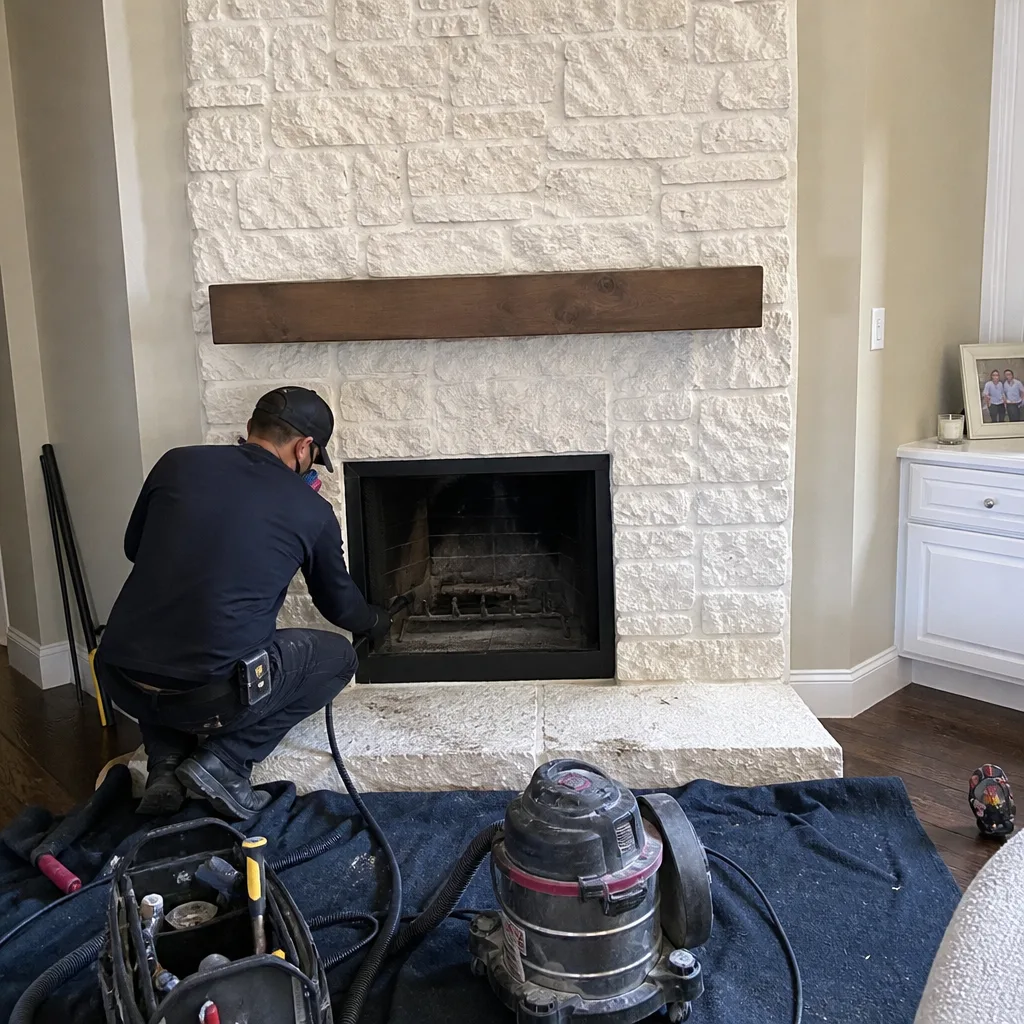 After