Last updated October 30, 2026
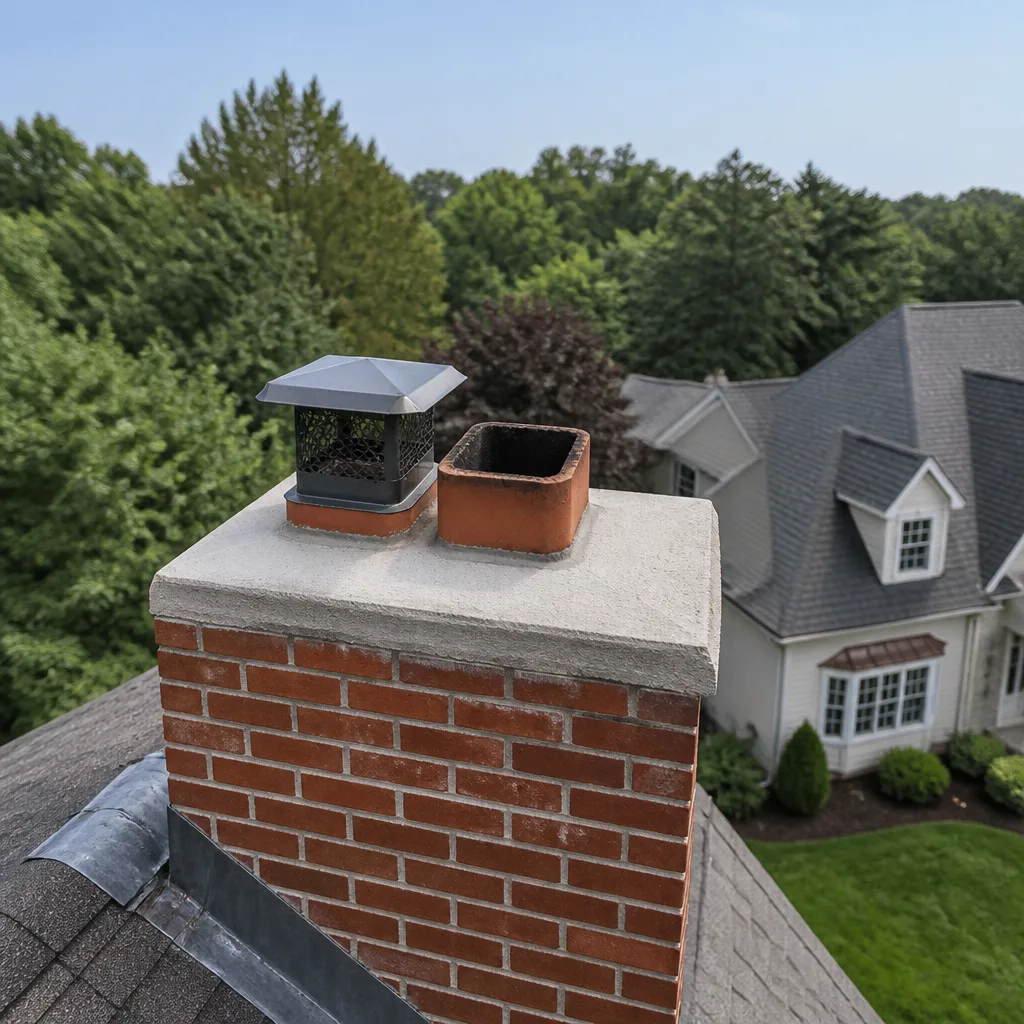 Sweep & inspection
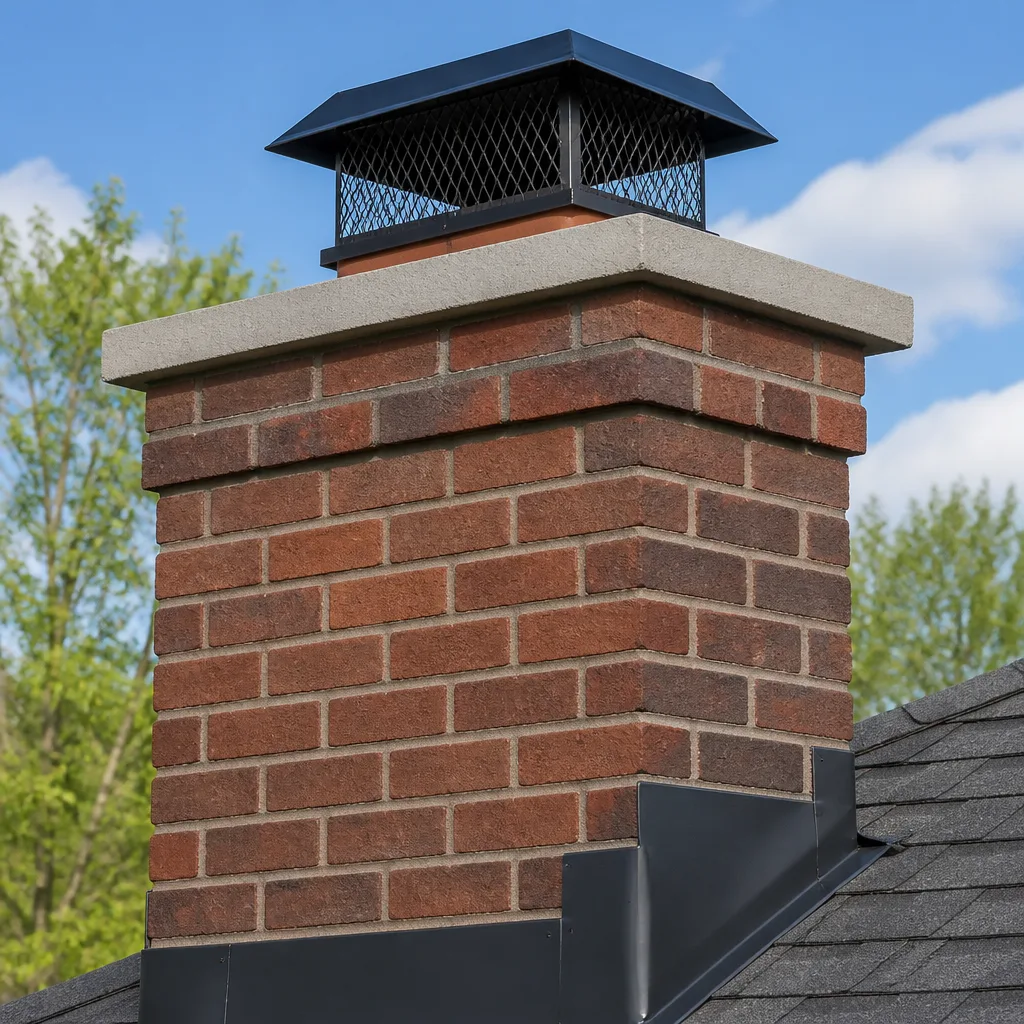 Caps & crowns
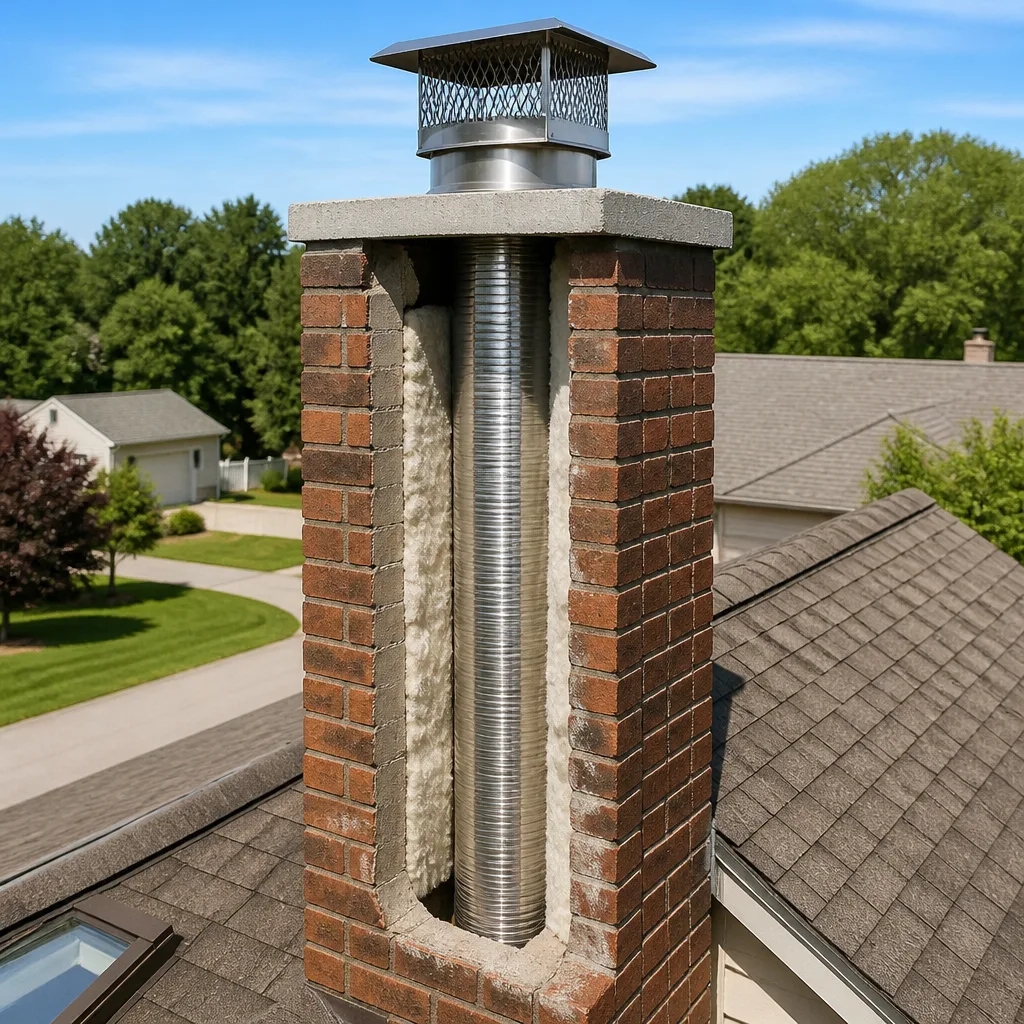 Flue relining
 Masonry repair
 Gas fireplace service
Level 1 sweep and inspection to the NFPA 211 annual standard - flue, crown, cap, and flashing checked and photographed
Chimney sweep logs do not sweep chimneys. They loosen some creosote - which then falls where a brush and vacuum still have to collect it.
Seasonal Chimney Cleaning Care for San Marcos: Year-Round Homeowner’s Guide
San Marcos averages fewer than 40 heating days per year. That number quietly convinces a lot of homeowners that chimney maintenance is something they can put off, or maybe skip altogether. The fireplace sits cold for ten months, so what’s the rush? The rush is this: moisture intrusion, animal nesting, and creosote accumulation don’t follow the calendar you burn wood on. In fact, the months when you’re not using your fireplace are often the months when your chimney sustains the most structural damage. This guide walks through what actually happens to a San Marcos chimney across all twelve months, when to schedule a sweep, what to watch for between visits, and how to keep a wood-burning system safe in a climate that rarely gets cold enough to make you think about it. For more guides & resources on chimney care, see our blog.
Styles & brands we work with
Quick Answer
In San Marcos, the optimal window for chimney cleaning is September, not November. That’s because the first cold snap in Central Texas is unpredictable, often arriving with little warning between late October and early November, and waiting until you want to light a fire means competing for scheduling with every other homeowner who did the same thing. More importantly, a chimney that goes uncleaned through a humid Texas summer develops corrosion and mortar erosion faster than one that’s inspected and swept before the off-season begins. Clean in early fall, keep the damper closed and the cap intact year-round, and you’ve addressed roughly 80% of what goes wrong with chimneys in this climate.
Table of Contents
- The Two-Season Calendar: Why San Marcos Isn’t Like the Northeast
- Why September Is the Optimal Sweep Window in San Marcos
- Summer Moisture: What Humidity Does to a Dormant Chimney
- Spring Nesting Season: Birds, Squirrels, and Chimney Swifts
- How to Winterize a Chimney in a Freeze-Thaw Climate
- The Year-Round Dryer Vent Connection
- The Homeowner’s Seasonal Inspection Checklist
- Common Mistakes to Avoid
- When to Call a Professional
- Frequently Asked Questions
- The Bottom Line
The Two-Season Calendar: Why San Marcos Isn’t Like the Northeast
Chimney care guides written for national audiences assume four seasons: burn in winter, clean in spring, idle in summer, prepare in fall. That model works in Connecticut or Michigan, where a chimney sees 90 to 120 real burning days a year and creosote builds up fast enough to demand a post-season sweep. It does not work in San Marcos.
Here, you get two seasons that actually matter for chimney health. The preparation window, roughly late August through mid-October, when a smart homeowner schedules a sweep and inspection before the short burn season begins. And the neglect window, roughly March through August, when the fireplace sits unused and the real damage happens: moisture works into mortar joints, animals move in, humidity accelerates corrosion, and creosote from last season’s fires sits in the flue absorbing moisture and becoming more acidic.
Understanding this two-season reality changes how you think about chimney maintenance. You’re not cleaning up after winter. You’re protecting the system through the long idle stretch that defines chimney life in Central Texas. That’s a fundamentally different job, and it requires a different calendar.
In our experience working on chimneys across San Marcos, the homes with the fewest structural problems are the ones where the homeowner treats chimney maintenance as a September appointment, every year, without exception. Not because September is magical, but because the discipline of a fixed annual inspection at the right time catches problems before the season that creates them.
Why September Is the Optimal Sweep Window in San Marcos
September is the sweet spot for chimney cleaning in this part of Texas, and the reasoning is specific to how Central Texas weather behaves. San Marcos cold snaps don’t arrive on a schedule. One year the first chilly evening hits October 20. Another year you’re still running the AC at Thanksgiving. But when that first cold front does roll down from the Panhandle, it tends to arrive fast, and suddenly every fireplace in Hays County is lit on the same Friday night.
That’s the scramble you want to avoid. Chimney sweeps book out quickly once the temperature drops. Waiting until you feel the chill means competing for an appointment with everyone else who waited, and it means burning a fire in an un-inspected flue because you can’t get on the schedule fast enough.
Here’s what a September sweep accomplishes before that rush:
- Creosote removal from last season. Whatever accumulated during January and February burns sits in the flue all summer, absorbing humidity from San Marcos air. Creosote is hygroscopic, meaning it pulls moisture from the atmosphere. That moisture makes creosote more acidic, and acidic creosote attacks mortar joints and metal flue components over a long idle season. Removing it in September stops that chemical process before the flue sits through another humid spring.
- Structural inspection before the burn season, not after. If the flue tiles cracked during freeze-thaw cycles last winter, you want to know that in September. You don’t want to discover it in November, when you’ve already lit the first fire and the repair timeline pushes into the holidays. A September inspection gives you eight to ten weeks to schedule repairs before the heat of the burning season makes repair work more urgent and more difficult.
- Cap and chimney cover assessment. Summer storms in San Marcos produce wind gusts that loosen poorly secured caps. A September spot-check means your cap is verified functional before any winter rain or sleet tests it. The alternative is discovering a missing cap in February, after months of water damage.
- Time to address animal or insect activity. By September, most nesting birds have fledged and moved on, but any nesting debris they left behind is dry enough to remove cleanly. Waiting until spring to clean means dealing with fresh nest material, eggs, or active bird activity, which complicates removal and can require waiting for protected species to vacate.
The September window also lines up with how professional chimney companies manage their calendars. September is shoulder season. The rush hasn’t hit. Technicians can spend more time on your inspection, walk you through what they’re seeing, and you can make repair decisions without the pressure of a cold front breathing down your neck. If you need a repair like a new Gelco chimney cap or a HeatShield liner restoration, September is the least stressful time to have it done.
Bottom line: clean in September, and you’ve removed last year’s creosote, inspected for structural damage, verified your cap, and cleared out animal debris. You’re ready for the first cold snap whenever it decides to arrive. That’s what a seasonal chimney care calendar should look like in San Marcos.
Summer Moisture: What Humidity Does to a Dormant Chimney
San Marcos sits in a humid subtropical climate zone. Summer relative humidity routinely sits in the 60 to 80 percent range from May through September, with stretches of 90 percent humidity during morning hours. For a chimney, that’s not just uncomfortable. It’s chemically active.
The masonry chimney on your house is built from brick, mortar, and clay or terra cotta flue tiles. All three are porous to some degree. All three absorb moisture from the air. And all three respond to that moisture in ways that accelerate wear:
- Mortar joint erosion. The lime-based mortar between bricks absorbs water vapor from humid air. This weakens the bond between bricks over time. It’s slow, but it’s relentless. A mortar joint that would last 40 years in a dry climate can start crumbling in 25 years in San Marcos humidity. Add creosote residue from the previous burn season, which absorbs moisture and becomes acidic, and the mortar in the flue itself erodes faster.
- Clay flue tile spalling. Floor tiles absorb moisture during humid summers and then shed the surface layer when heated rapidly in winter. That’s called spalling, flaking of the tile surface. Each spall is a structural weakening. Enough of it and the tile cracks through, exposing the chimney structure behind it to direct flame and heat.
- Metal component corrosion. Dampers, firebox doors, and chase covers on manufactured fireplace systems are exposed to humid air inside the chimney cavity during summer. Steel rusts. Aluminum pits. Bearings and hinges seize. A damper that works fine one winter may be rusted stiff by the next simply because it sat through a San Marcos summer without moving.
- Mold and mildew growth inside the flue. Creosote is organic material. In a damp, dark environment with warm air circulating, mold can grow on creosote deposits. That’s not a fire hazard, but it creates an odor that seeps into the house through the firebox, and it’s a sign that moisture is trapped where it shouldn’t be.
The mitigation is straightforward, and it’s not expensive. Keep your damper closed when the fireplace isn’t in use. Closed dampers reduce the draft that pulls humid outside air through the flue. More importantly, have a properly fitted chimney cap installed. A good cap, like the Gelco caps we install on San Marcos homes, does double duty: it keeps rain out, and it screens animal access. But the cap alone won’t stop ambient humidity. That’s what an annual inspection is for. Catching the early signs of mortar erosion or tile spalling costs a routine masonry repoint, not a full flue rebuild.
If you want to understand what’s actually happening inside your flue beyond what a visual check can show, Oakgrove Chimney Sweep provides camera inspection services as part of our work. For Chimney Sweep in San Marcos appointments, a camera inspection documents exactly what moisture has done over the summer, and gives you a baseline to compare against next year. If you’re in San Marcos and you’re not sure whether your chimney has ever been properly inspected, you can visit the Oakgrove Chimney Sweep home page for a full list of what our inspections cover.
Spring Nesting Season: Birds, Squirrels, and Chimney Swifts
Every spring, San Marcos chimneys become housing stock for wildlife. Chimney swifts are the famous example, protected under the Migratory Bird Treaty Act, and they arrive in Central Texas around March and leave by October. But swifts aren’t the only animals interested in your flue. Squirrels, raccoons, and even ringtails use chimneys as den sites, and European starlings and house sparrows will build nests on top of the smoke shelf if they can get in.
For homeowners, the warning signs are usually subtle. Listen for chirping or rustling sounds coming from the fireplace. Watch for increased bird activity around the top of the chimney. Notice any new smells near the firebox, or small debris falling into the fireplace. On the exterior, look for twigs, grass, or leaves protruding from cracks in the masonry or around the cap.
Here’s the protocol if you suspect animals have moved in:
- Do not light a fire. This seems obvious, but every year someone in Hays County decides that a smoky fire will “smoke them out.” What actually happens is a chimney fire in the nesting material, smoke damage throughout the house, and in many cases a dead animal trapped and incinerated behind the damper. If you’re hearing animal sounds, the fireplace is out of service until a professional clears it.
- Identify the species if you can. If it’s a swift, the bird is federally protected. You cannot remove an active nest, and you cannot seal the chimney until the birds have left. Swifts migrate out around October. The workaround is a chimney cap installed after they’ve left, which prevents future swift nesting. If it’s a squirrel or a raccoon, the animal needs to be removed first, which often requires a wildlife removal specialist, and then the chimney needs to be sealed and cleaned.
- Schedule a cleaning and inspection. After the animals are out, whatever they left behind needs to go. Nesting material is tinder. Squirrel nests, bird nests, and the accumulated droppings from a raccoon den are all flammable. They do not burn safely. They burn fast and hot, which is exactly what causes chimney fires. A full cleaning removes the material, sanitizes the smoke chamber and damper area, and allows an inspection to determine what structural damage, if any, the animals caused.
- Install a proper cap. If animals got in once, they’ll get in again. The fix is a properly fitted chimney cap with a screened base. We stock and install Gelco chimney caps, which are built to professional specifications with proper mesh sizing for spark arrestor functionality, and they serve San Marcos homeowners better than the universal caps sold at hardware stores, which rarely fit correctly and often fail within a couple of years.
Spring nesting is one of the best arguments for September cleaning. By the time September rolls around, most nesting species have either fledged or are preparing to leave. The nests are empty, the material is dry, and it can be removed cleanly. Clean in the spring, and you’ll still need another cleaning in the fall after summer storms and humidity have done their work. Clean once, in September, and you’ve captured both the nesting debris and the post-summer moisture damage in a single visit.
How to Winterize a Chimney in a Freeze-Thaw Climate
San Marcos winters are mild. The average January low is around 40 degrees. But Central Texas gets freeze events. The February 2021 winter storm brought sustained temperatures well below freezing for over a week in Hays County. The 2022 and 2023 winters each delivered multiple hard freezes. When water that has seeped into brick or mortar freezes, it expands by roughly 9 percent. That expansion cracks the material from the inside. Each freeze-thaw cycle compounds the damage.
Freeze-thaw damage is why visual inspection of your chimney exterior matters. Look for:
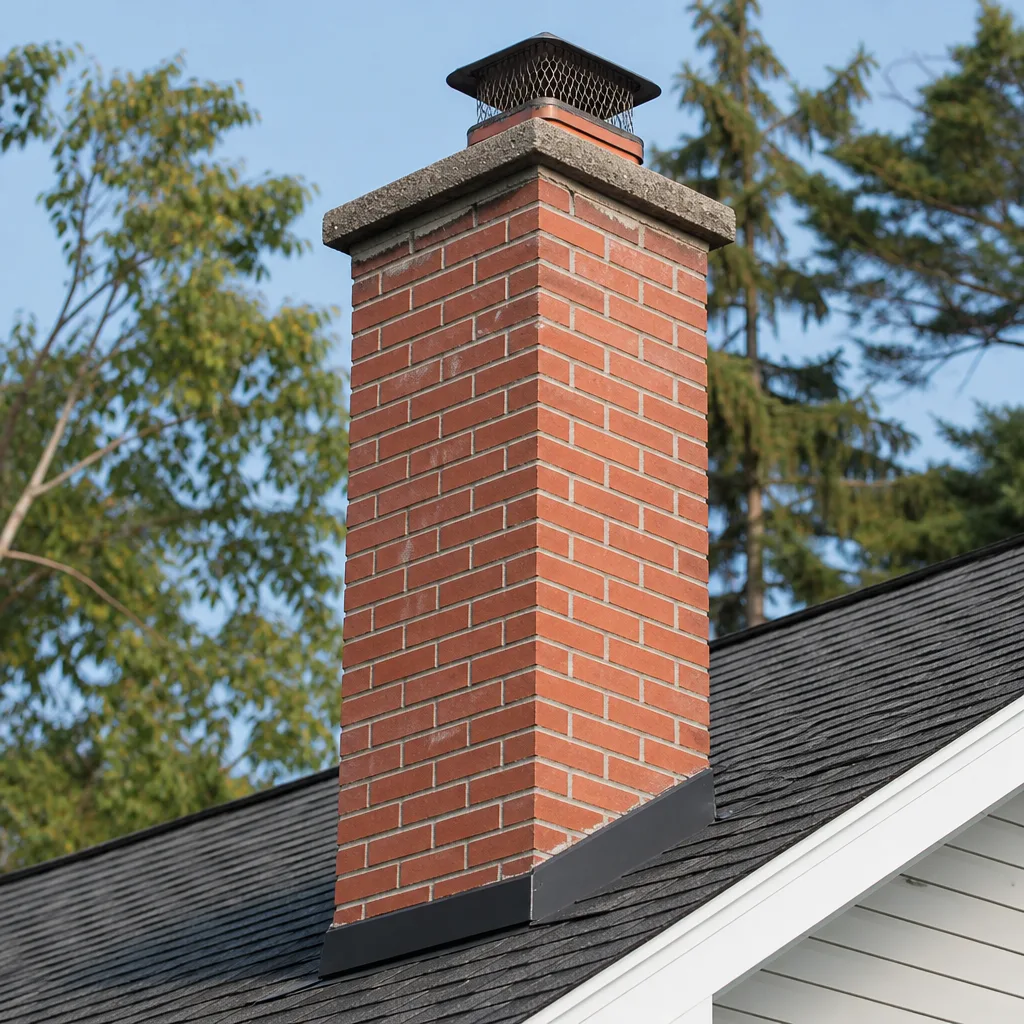
- Cracks in the crown. The crown is the concrete slab at the top of a masonry chimney. Any crack wider than a hairline lets water into the chimney structure. Freeze cycles then wedge those cracks wider. Crown cracks are repairable, but they don’t self-heal, and if they’re left through a winter with freeze events, the damage compounds.
- Spalling brick faces. When brick absorbs water and that water freezes, the surface of the brick flakes off. If you see brick fragments on the roof, or exposed porous faces on the chimney’s brick, that’s spalling. Every winter with freeze-thaw cycles worsens it, because the freshly exposed surface is even more absorbent than the original face.
- Missing or loosened mortar joints. Run your hand across the brick joints. Mortar that crumbles or sounds hollow is failing. In San Marcos, moisture is the primary driver, and freeze-thaw is what converts a slow-failing joint into a missing joint.
Winterization in a climate like this isn’t about insulating or covering the chimney for a hard winter. It’s about making sure water has no pathway into the masonry before the freeze-thaw cycles begin. The sequence looks like this:
- Schedule your annual sweep and inspection in September. That gives you time to complete any needed repairs before winter moisture arrives.
- Have the crown sealed if needed. A masonry sealant or a new crown coat keeps water from entering the top of the chimney structure.
- Verify the cap is secure. A loose cap lets wind-driven rain enter the flue. A missing cap is an open invitation for moisture and animals.
- Repoint any deteriorated mortar joints. This is straightforward masonry work for a professional chimney repair crew, and it’s far cheaper than rebuilding a section of chimney that’s been allowed to crumble.
- Keep the damper closed unless burning. A closed damper reduces air exchange that carries humid outside air through the flue and into the firebox.
If you need masonry repair, that’s work our Chimney Repair in San Marcos team handles directly. We don’t refer it out to a general contractor and hope it gets done correctly. We repair what we find, on the same visit when possible, so a September sweep that uncovers a damaged crown becomes a completed repair before the first freeze, not a project that lingers until next spring.
The Year-Round Dryer Vent Connection
If you’re a San Marcos homeowner with a wood-burning fireplace, there’s a second combustion vent in your house that you probably think about even less than the chimney. Your dryer vent moves hot, lint-filled air from the dryer to the outside of your home. That air is not as hot as flue gas, but it doesn’t need to be. A dryer vent fire starts when lint accumulation restricts airflow enough that heat builds up inside the vent pipe and ignites the lint itself.
Lint is extremely flammable. The U.S. Fire Administration’s National Fire Data Center reported that dryers account for an estimated 2,900 home fires per year on average. The leading factor in those fires was failure to clean the vent. And unlike chimney creosote, which only accumulates when you burn wood, dryer lint accumulates every single time you run the dryer. All year. Twelve months a year, regardless of the season.
That’s why dryer vent cleaning belongs in the same seasonal maintenance conversation as chimney sweeping. One is a fire hazard that accumulates through the winter burn season. The other is a fire hazard that accumulates all year long. If you’re thinking about fire safety in your home, they’re the same discipline.
There’s a reason we do both. Oakgrove Chimney Sweep treats dryer vent cleaning as a fire-safety service, not a convenience service. We’re chimney-trained technicians who understand combustion pathways: how heat moves, where it accumulates, what causes restricted airflow, and how a vent system fails. That expertise transfers directly to dryer vent systems, which are smaller and simpler but fail in the same ways. You can find Dryer Vent Cleaning in San Marcos through the same company that handles your chimney, which means one annual appointment for your fireplace, your flue, and your dryer vent, if you want it consolidated.
Signs your dryer vent needs cleaning now, regardless of the season:
- Clothes take two or more cycles to dry completely.
- The dryer housing or the exterior vent cover feels hot to the touch during operation.
- You smell a burning odor while the dryer runs.
- The lint screen is clean, but airflow from the vent seems weak.
- It’s been more than a year since the vent was last cleaned.
The Homeowner’s Seasonal Inspection Checklist
Here’s a month-by-month checklist for San Marcos homeowners who want to stay ahead of chimney problems without becoming chimney experts. This is the practical, annual rhythm we recommend to our customers. None of these tasks require professional tools. The professional work is the annual September sweep and inspection, plus any repairs that inspection uncovers.
January – February (Burn season, if it’s cold enough):
- Burn only seasoned hardwoods. Green wood produces more creosote per fire.
- Maintain small, hot fires rather than smoldering, smoky fires. Hot fires combust more of the creosote-producing compounds before they condense in the flue.
- Check the damper operation. It should open and close freely. If it sticks, note it for your next inspection.
- If you smell smoke in the house when the fire isn’t burning, note it. That’s a drafting problem that needs professional attention.
March – April (Spring transition):
- Listen for nesting activity. Chirping, rustling, or increased bird traffic around the chimney cap are signs.
- Inspect the exterior chimney from the ground. Look for cracked bricks, missing mortar, or a tilted cap.
- If you suspect nesting, do not light a fire. Call for a professional assessment.
- Run the dryer. Time a full load. If drying time is trending upward, schedule dryer vent cleaning.
May – June (Early summer humidity):
- Keep the damper closed. Draft through the chimney draws humid outside air into the flue.
- Check for water staining on the ceiling near the chimney chase. Staining means water is already penetrating.
- Trim tree branches that overhang the chimney. Falling branches damage caps and crowns, and leaves clog gutters that protect the roof structure around the chimney.
July – August (Late summer):
- Book your September sweep and inspection. Scheduling in August gets you the September appointment window you want, before the first cold snap conversation starts.
- Check the damper again. If it’s rusted or stiff from summer humidity, mention it when you book.
- If you have a manufactured fireplace, check the chase cover. Rust spots or small holes mean water has been getting in, and a replacement is needed before winter.
September (The month that matters):
- Complete your annual sweep and inspection.
- Complete any repairs found during inspection.
- Verify the cap is securely installed and the spark arrestor mesh is intact.
- Have the dryer vent cleaned, if it’s been more than a year.
October – December (First burns):
- Open the damper fully before the first fire. Confirm it stays open.
- Prime the flue before the first fire on a cold night. A rolled newspaper lit and held near the damper warms the flue and establishes draft before you light the main fire, preventing a smoky backdraft.
- Start with small fires. Let the chimney warm gradually on its first few burns of the season.
- If you skipped September, don’t just light the first fire and hope for the best. Schedule an inspection before burning, even if it means waiting a week.
Common Mistakes to Avoid
- Waiting until November to schedule a sweep. Every San Marcos chimney company is booked solid by mid-October. You’ll either burn in an un-inspected flue or wait weeks for an appointment. September is the disciplined choice, and it means you’re ready when the cold arrives, not scrambling after it’s here.
- Leaving the damper open year-round. An open damper is a two-way door. In summer, it pulls humid San Marcos air through the flue and into your firebox; in winter, it leaks conditioned air out of the house. Close it when you’re not burning. It’s a five-second habit that reduces moisture damage and energy loss.
- Burning pine and cedar because it’s cheap and available in Central Texas. Yes, cedar is everywhere in Hays County. No, it’s not good firewood. Pine and cedar are resinous softwoods that produce heavy creosote deposits quickly. Burn oak, pecan, or hickory. If you must burn cedar, mix it with hardwood and keep fires hot.
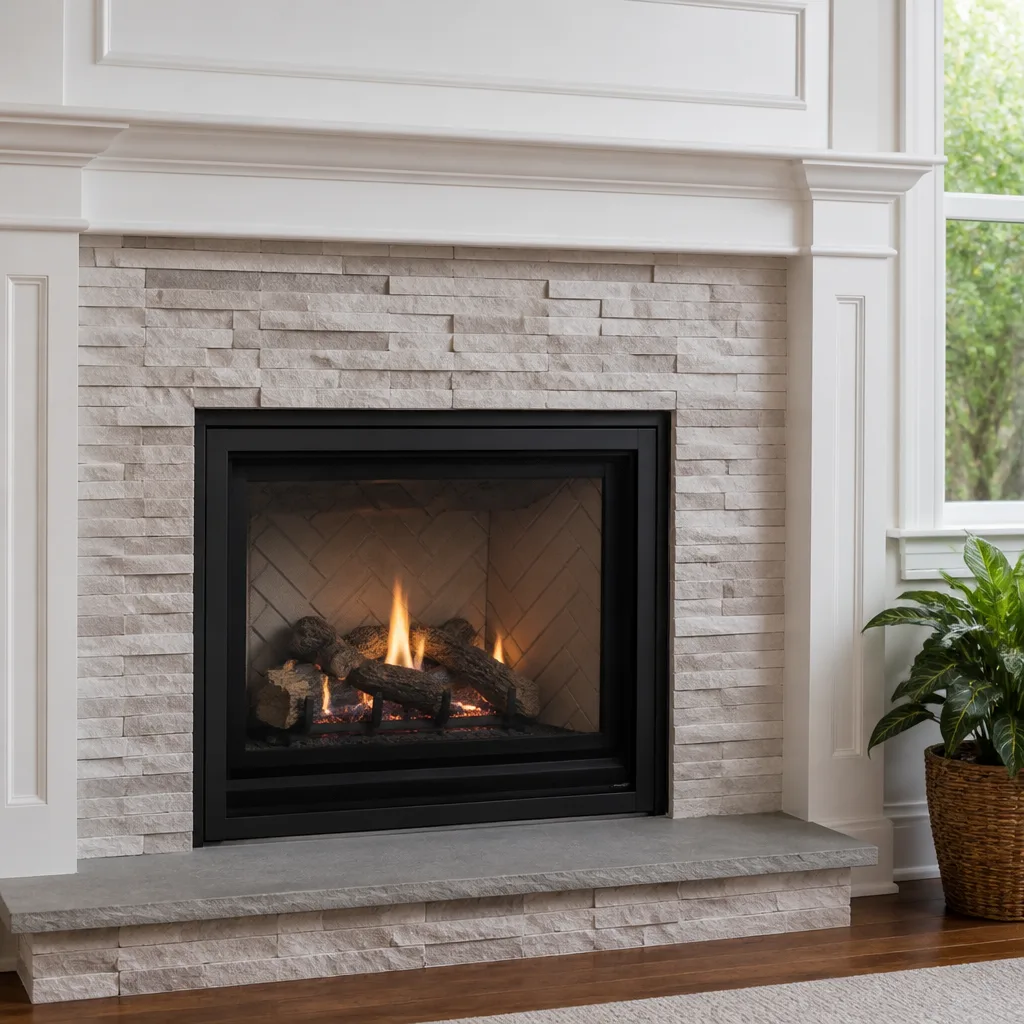
- Assuming a gas fireplace needs no maintenance. Gas inserts still vent combustion byproducts through a flue, and those flues still need inspection. Carbon monoxide is odorless and invisible, and a partially blocked gas flue is a carbon monoxide risk. Gas fireplaces need annual inspection too, not cleaning as often, but inspection, definitely.
- Using the hardware store chimney cap you bought on sale. Universal caps rarely fit correctly. They leave gaps at the flue tile edges, and the mesh is often the wrong gauge for spark arrestor requirements. Professional caps, like the Gelco caps we install, are sized to your flue and built for the climate they’ll live in.
- Ignoring the dryer vent because the dryer still works. Lint accumulates slowly and silently. A dryer can be a fire hazard for months before performance degrades enough to notice. Annual cleaning is the only reliable approach.
- Assuming the chimney is fine because the house is new. New construction chimneys in San Marcos are often built to minimum code, with undersized flues or improperly poured crowns. We’ve pulled enough construction debris out of new-home chimney flues to know that age is not a safety guarantee.
When to Call a Professional
Some chimney situations are self-evident, and these are the ones that send homeowners scrambling to the phone. A chimney fire, visible smoke backing up into the house, a chimney cap blown off in a storm, or a strong animal odor coming from the fireplace all call for immediate professional attention. But the more common situations are quieter. Water stains appearing on the ceiling near the chimney, a musty smell from the firebox, mortar crumbling on the exterior chimney face, a damper that no longer opens and closes, or a fireplace that suddenly drafts poorly. These are early warning signs that the chimney system is failing, and they’re almost always cheaper to fix early than late. If you’re noticing any of these in your San Marcos home, Oakgrove Chimney Sweep offers free estimates in San Marcos. Call (866) 472-2513 and we’ll assess what’s happening and give you an honest read on what needs to happen next.
Frequently Asked Questions
For a wood-burning fireplace used regularly during the winter months, once per year is the right cadence in San Marcos. That annual cleaning should happen in September, before the burn season begins, so that the flue is clean and inspected before the first fire. If you burn more than three cords a winter, or if you burn green wood or softwoods, you may need a mid-season cleaning. Gas fireplaces need less cleaning but still warrant annual inspection.
For a detailed Chimney Cleaning Cost Breakdown: The San Marcos Homeowner’s Reference for 2026, chimney sweep pricing in the San Marcos area typically falls between $150 and $300 for a standard cleaning and Level 1 inspection. That’s a wide range because factors like chimney height, creosote severity, and whether animals or blockages are involved all move the price. Some companies charge more if camera inspection or specialized equipment is needed. The honest way to get a number is to call for a free estimate at (866) 472-2513 and describe your setup. You’ll get a firm price before anyone starts work.
In many cases, no. Cracked or deteriorated flue tiles can often be restored using HeatShield, a professional-grade ceramic resurfacing system that Oakgrove Chimney Sweep is certified to apply. HeatShield fills cracks, seals the flue surface, and restores structural integrity without tearing out the old liner. That’s dramatically less expensive than a full relining job. In cases where the existing flue is too far gone or undersized, a DuraFlex stainless steel liner is the proven standard for complete relining. A camera inspection tells you which situation you’re in, and you should ask to see the footage yourself before approving any liner work. If a contractor recommends a new liner without showing you camera evidence of the problem, get a second opinion.
Creosote builds up inside the flue. That’s what chimney fires burn. A chimney fire sounds like a freight train, and it can crack the flue, warp the damper, damage the surrounding masonry, and in some cases spread to the house structure. The damage often isn’t obvious afterward, which is why a chimney that’s survived one fire needs a full inspection before the next burn. On the quieter end of the spectrum, uncleaned chimneys with years of creosote develop airflow obstruction, which means smoke backs up into your living room, and acidic creosote attacks the mortar joints and flue tiles even when you’re not burning. Skipping cleaning doesn’t save money. It converts a $200 maintenance visit into a $2,000 repair. Call (866) 472-2513 and we’ll tell you honestly what your flue needs, whether that’s a sweep, a repair, or nothing at all.
You can attempt it, but the risks are significant and most homeowners don’t have the right equipment. Proper chimney cleaning requires a brush sized to the flue, a way to contain the soot so it doesn’t spread through the house, and the physical ability to work safely on a roof in San Marcos heat or on a ladder. A professional sweep doesn’t just remove creosote; they inspect the flue, check the damper, verify the cap, and document the system’s condition. That inspection is the part that actually prevents chimney fires. If you’re determined to do it yourself, at minimum use a brush system fitted to your flue size and have your work inspected professionally afterward. But be honest about the value of your own time and safety. Most San Marcos homeowners we talk to decide pretty quickly that the service is worth the cost.
Yes. A chimney cap is not optional in this climate. It prevents rain from entering the flue directly, which reduces the moisture that drives mortar erosion, tile spalling, and rust on the damper and firebox components. It also keeps animals out. Without a cap, your chimney is an open invitation to chimney swifts, squirrels, starlings, and raccoons. And it serves as a spark arrestor, preventing embers from escaping the flue and landing on your roof. A correctly fitted Gelco or Olympia Chimney cap is a small investment against three separate categories of serious damage, and local Chimney Cleaning Permits, Codes & Inspections in TX may apply to cap installation work.
The Bottom Line
San Marcos chimneys don’t need year-round attention, but they do need attention at the right time. September is that time. One annual visit, scheduled before the first cold snap, handles creosote removal, structural inspection, cap verification, and animal debris from spring nesting. What happens between September appointments matters too: keep the damper closed, watch for water staining or animal activity, and don’t forget that your dryer vent is accumulating flammable lint 365 days a year regardless of what your fireplace is doing. The goal isn’t a perfect chimney. It’s a chimney that’s inspected, clean, and protected before you need it, so that when the cold finally arrives in San Marcos, you can light the fire and relax. If it’s been more than a year since your last inspection, call (866) 472-2513 for a free estimate. We’ll take a look and tell you the truth about what your flue needs.
Written by the team at Oakgrove Chimney Sweep, serving San Marcos since 2017.
See the difference
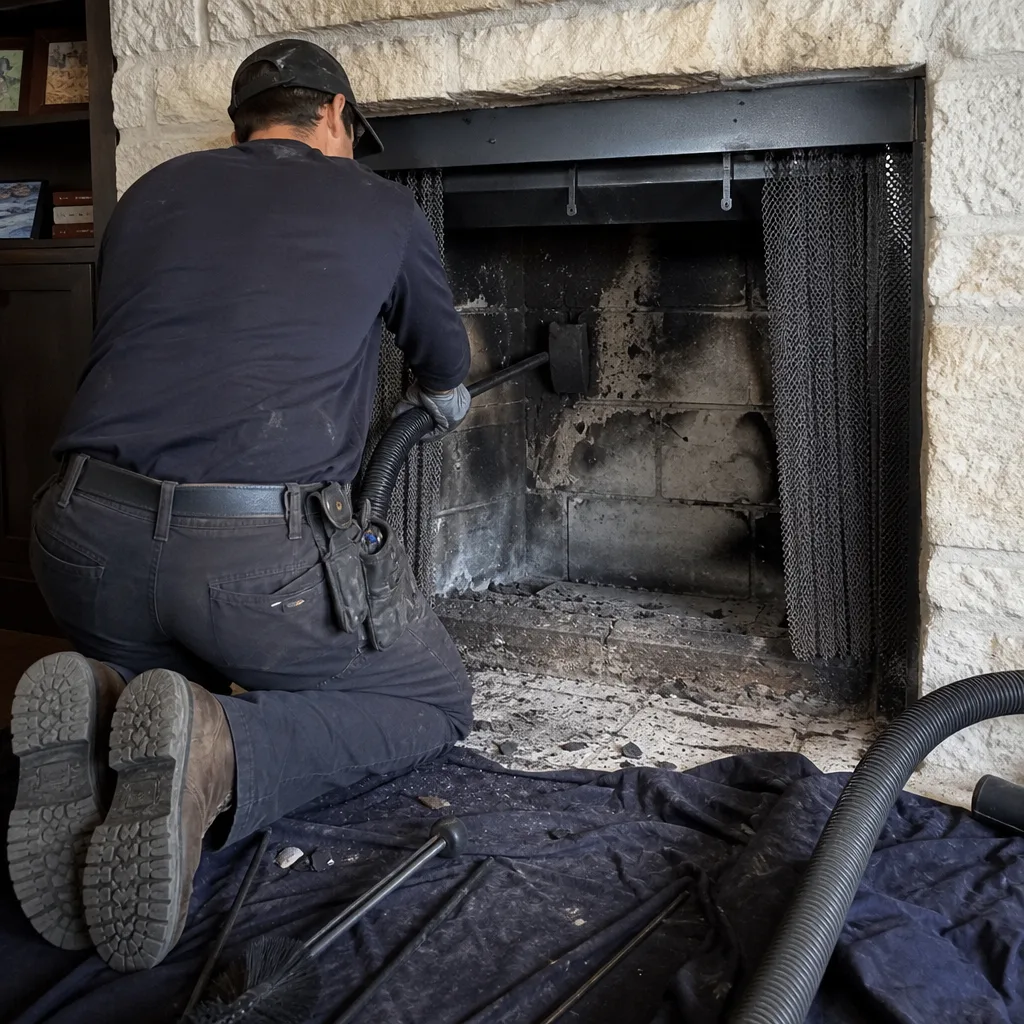 Before
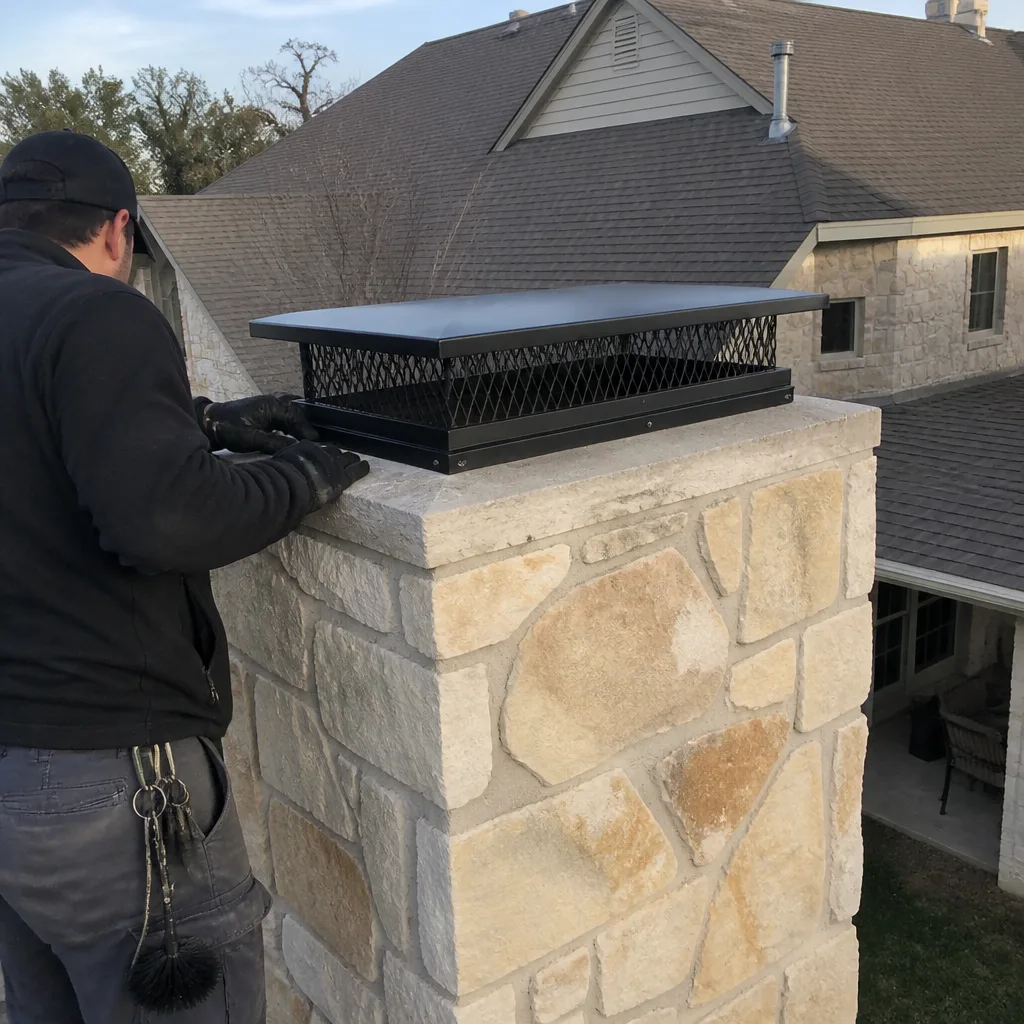 After
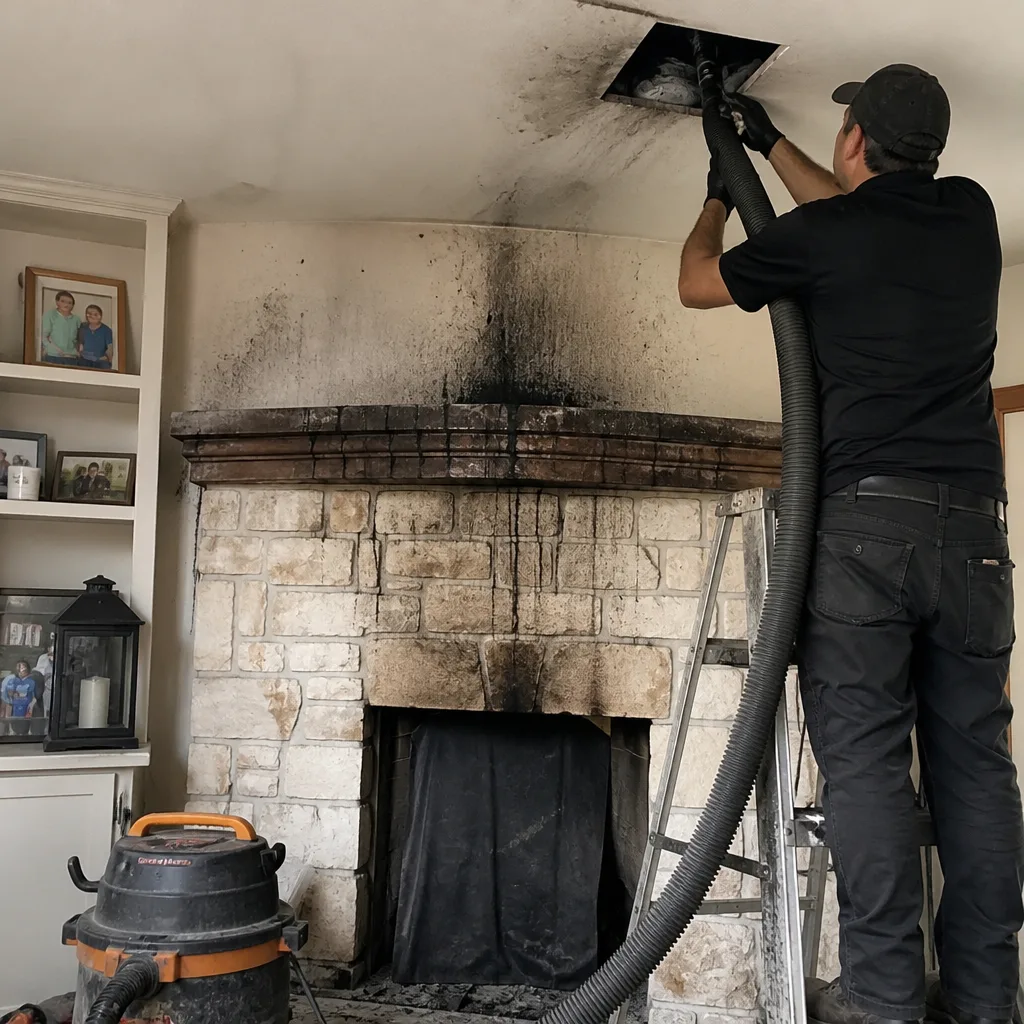 Before
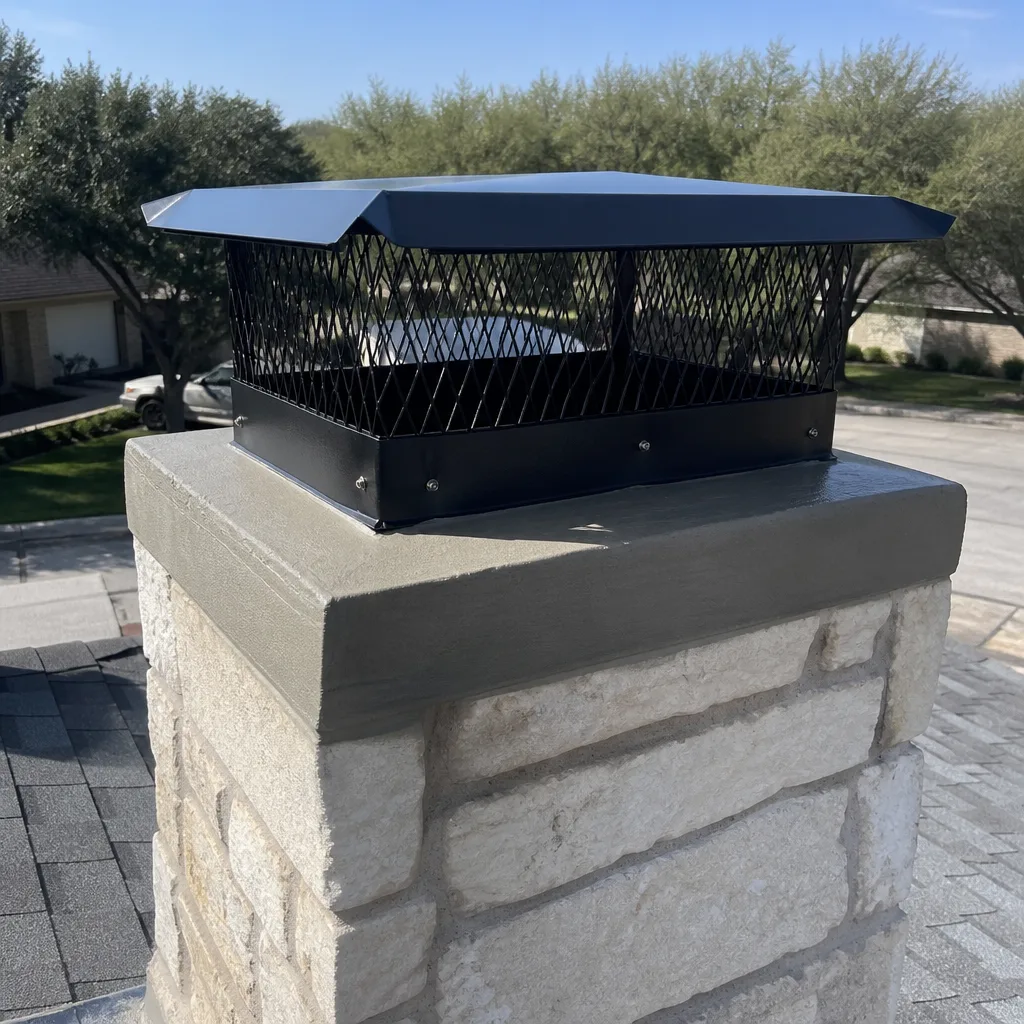 After
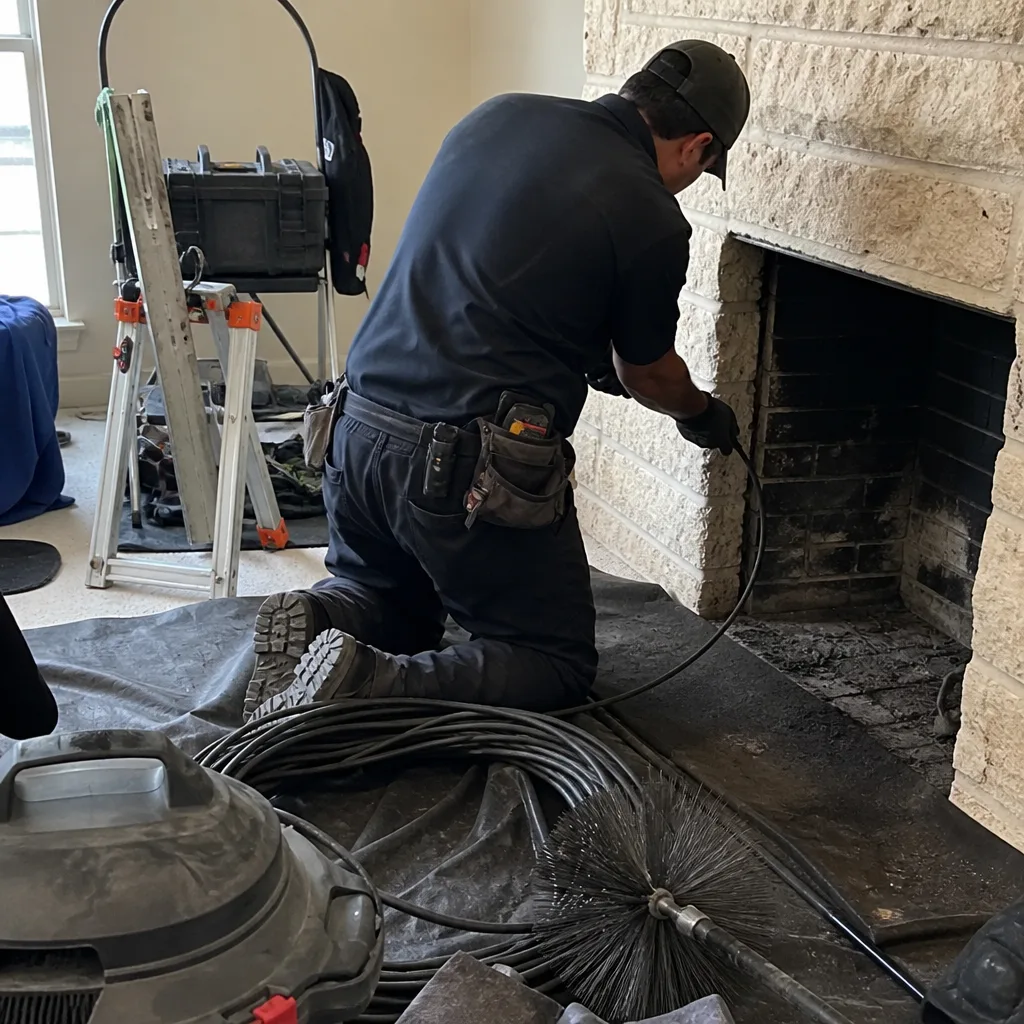 Before
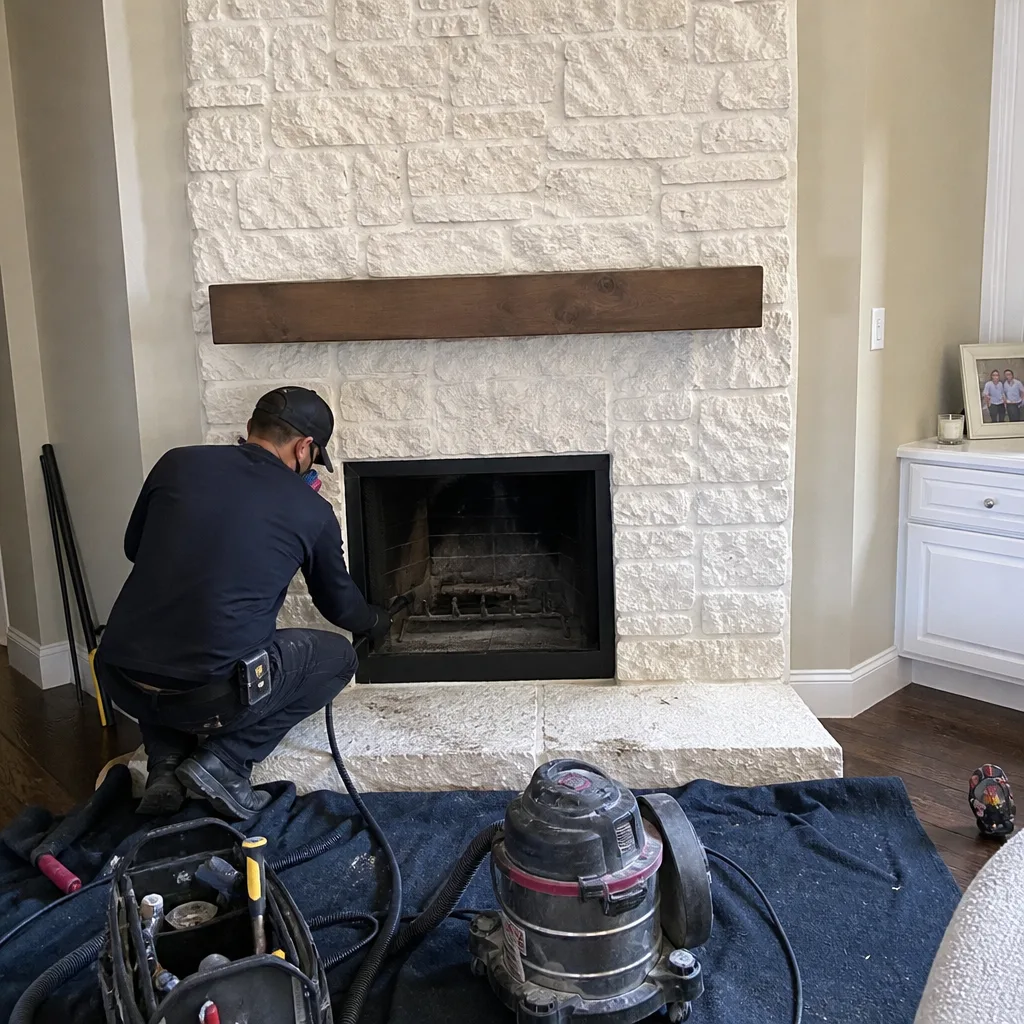 After