
Last updated October 30, 2026
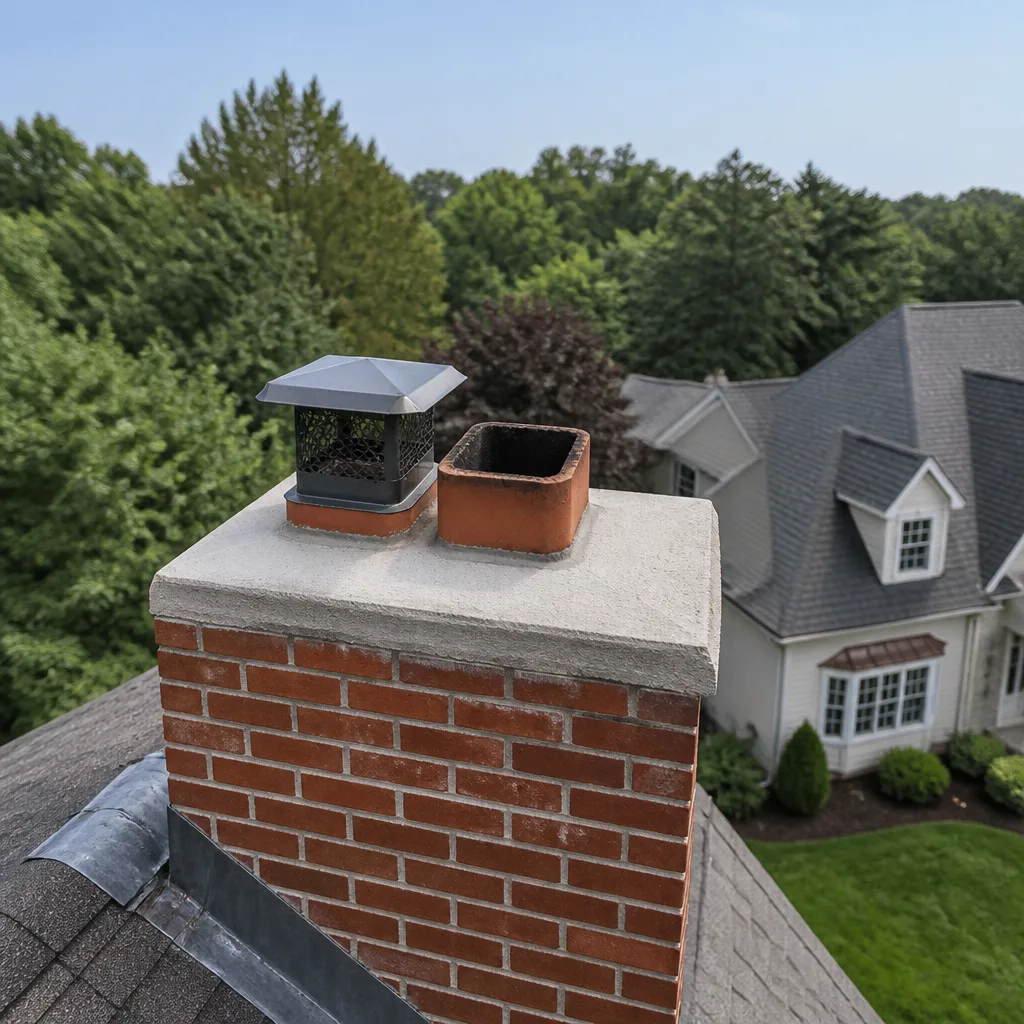 Sweep & inspection
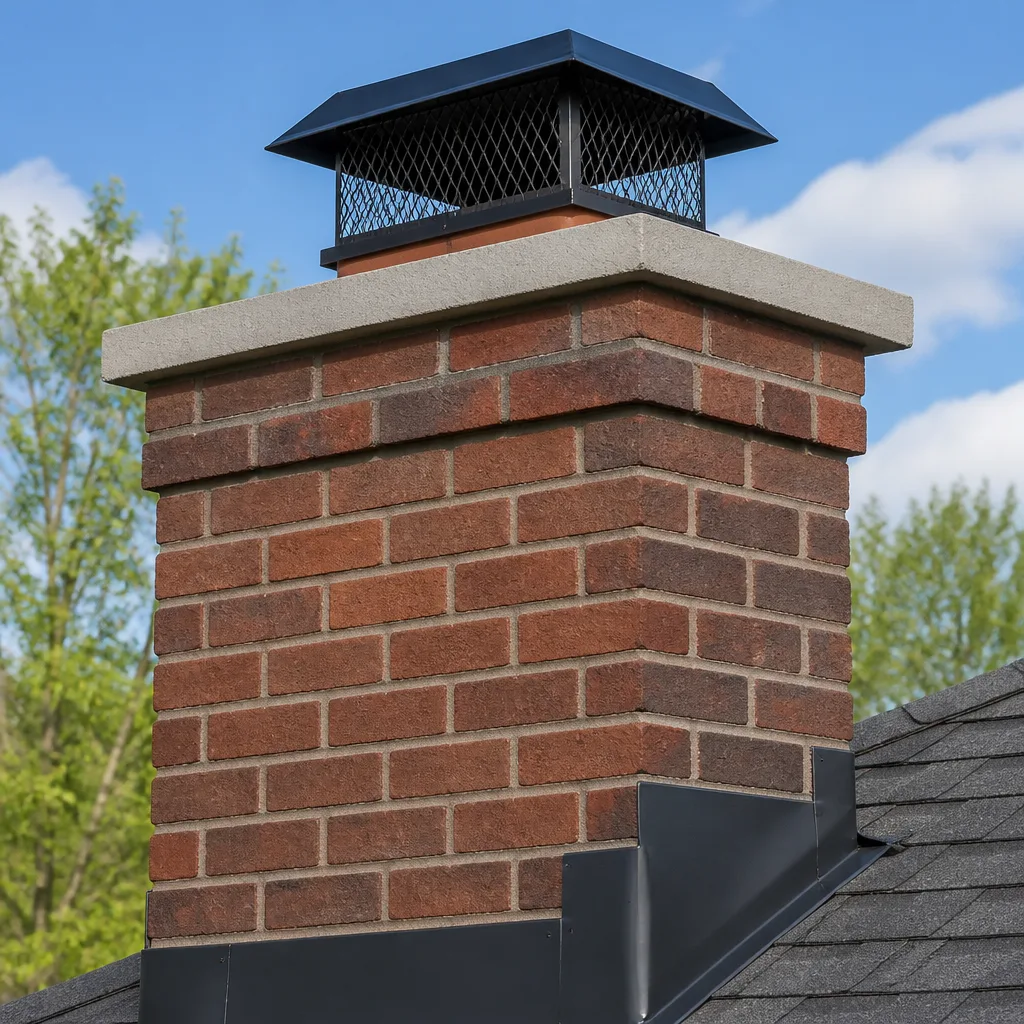 Caps & crowns
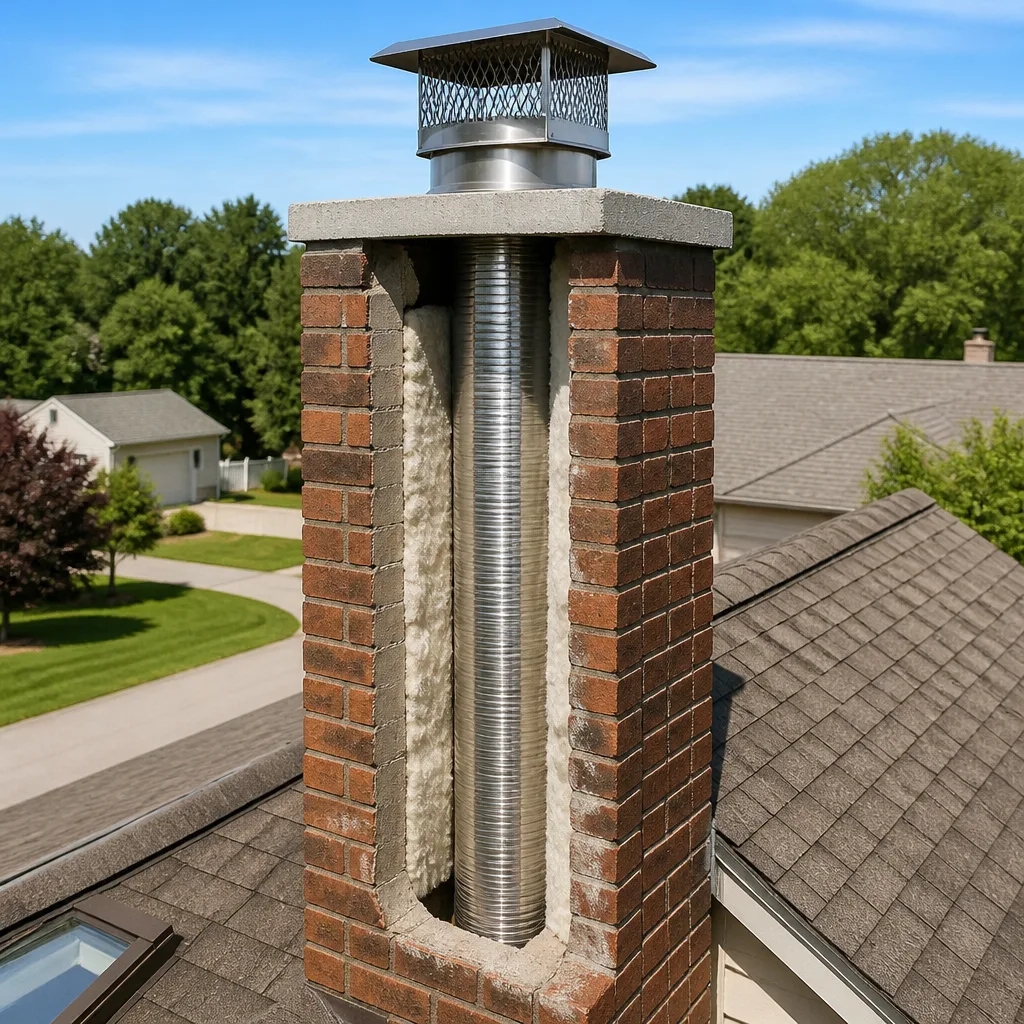 Flue relining
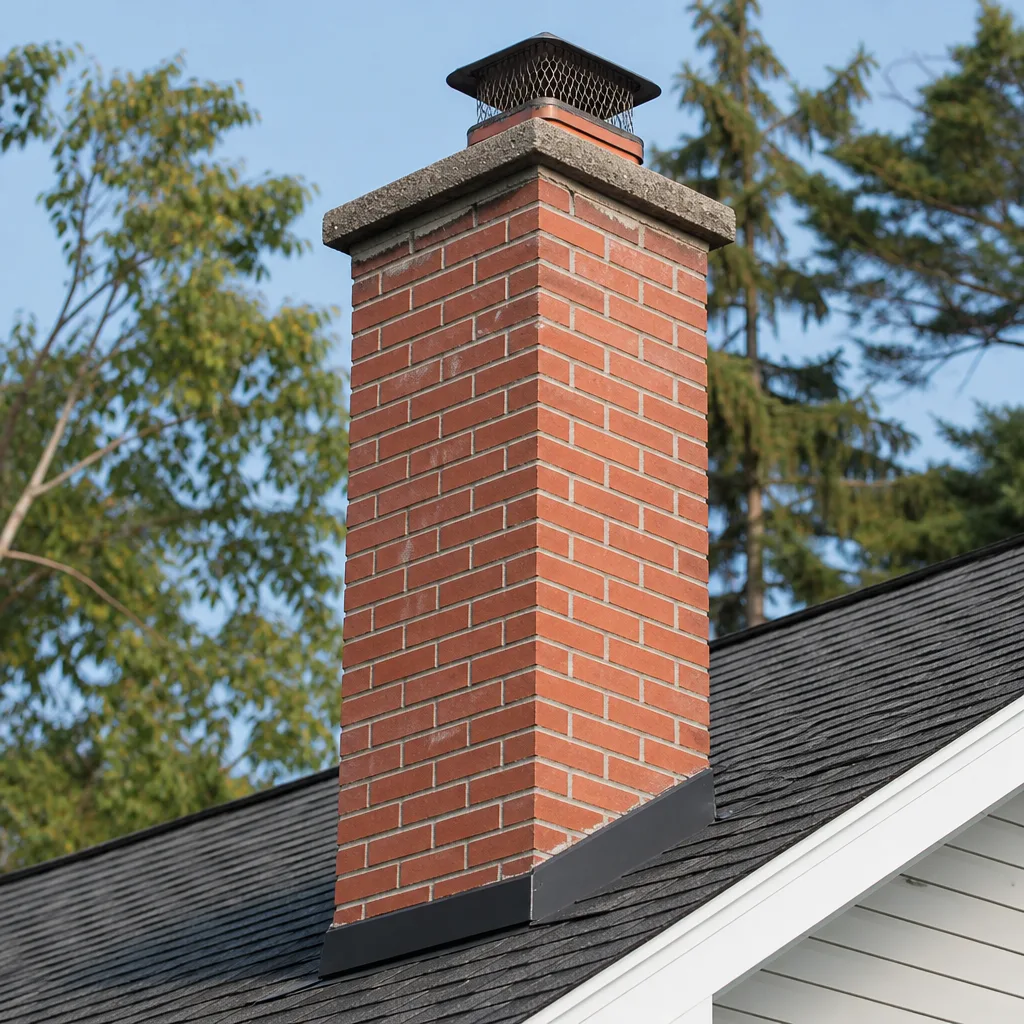 Masonry repair
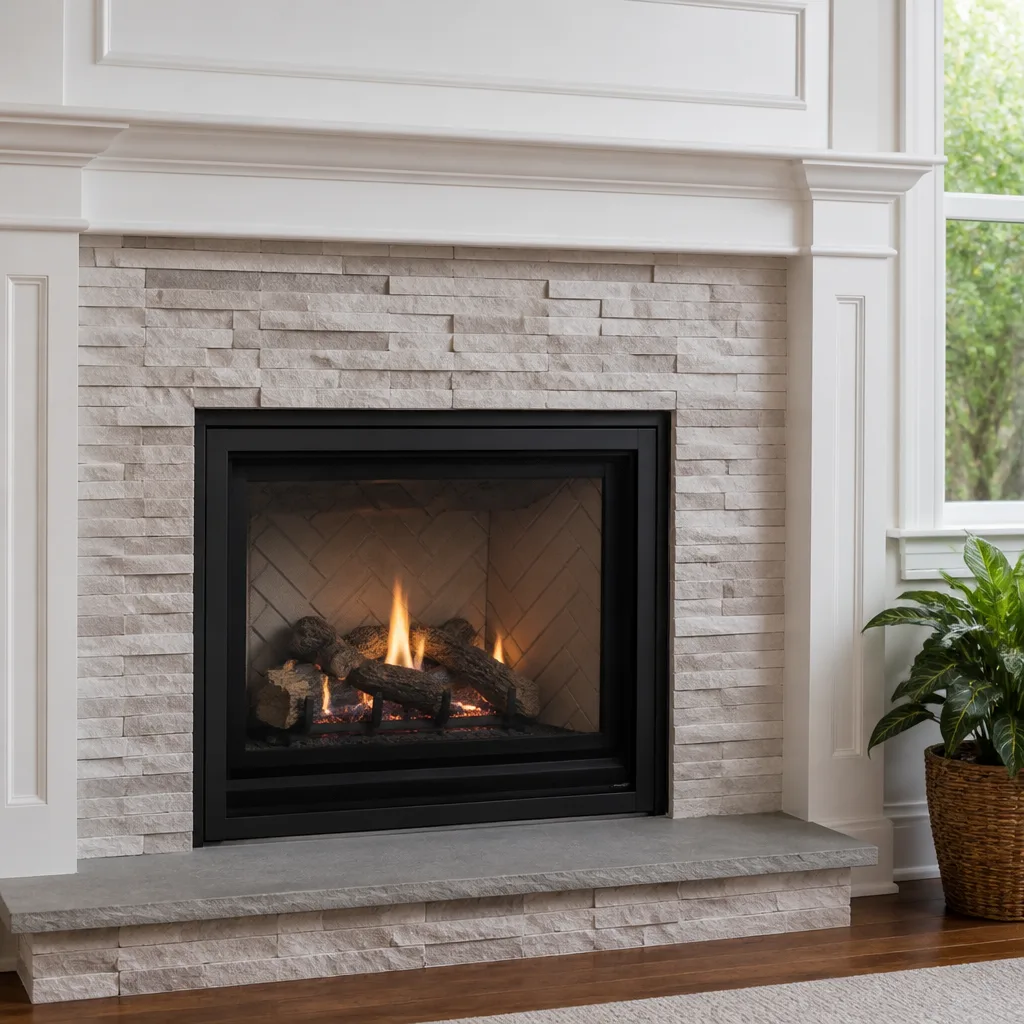 Gas fireplace service
Level 1 sweep and inspection to the NFPA 211 annual standard - flue, crown, cap, and flashing checked and photographed
Chimney sweep logs do not sweep chimneys. They loosen some creosote - which then falls where a brush and vacuum still have to collect it.
Chimney Sweep Troubleshooting: Common Problems and How to Fix Them
A smoky living room isn’t a chimney problem, it’s a symptom. It could mean a blocked flue, negative house pressure, a failing damper, or a crown crack letting moisture in. Treating the wrong cause is exactly how a $150 preventative sweep turns into a $900 repair down the line. This guide walks you through the diagnostic process we use on hundreds of San Marcos chimneys each year, so you can describe what you’re seeing accurately and get the right fix the first time.
Quick Answer
Most chimney problems fall into three categories: draft failure (smoke backing into the room), moisture intrusion (odors, staining, efflorescence), and mechanical failure (dampers, caps, or liners). Visible symptoms often overlap, which is why accurate description matters more than guesswork. If you notice smoke entering the room, a persistent odor that doesn’t match the season, or white staining on exterior brick, stop using the fireplace and document what you see before calling a sweep.
Styles & brands we work with
Table of Contents
- Draft Problems: Smoke Backing Into the Room
- House Depressurization vs. Physical Obstruction
- Chimney Odors: What Different Smells Actually Mean
- White Staining on Exterior Brick (Efflorescence)
- The Visual Inspection Sequence You Can Run Yourself
- How to Document Symptoms for Your Sweep
- Liner and Flue Damage: What You Can’t See
- Dryer Vent Warning Signs Homeowners Miss
Draft Problems: Smoke Backing Into the Room
When smoke spills into your living room instead of rising up the flue, something is interrupting the chimney’s ability to pull combustion gases upward. The fix depends entirely on what’s causing the interruption. In San Marcos, we see this pattern most often in older Hill Country homes with masonry chimneys that haven’t been swept in years, but even newer construction isn’t immune.
Common Causes of Backdraft
- Creosote buildup narrowing the flue – When the passageway shrinks from a 12×12 tile liner to a 6-inch opening, the chimney can’t move enough air. We’ve pulled 5-gallon buckets of creosote from San Marcos flues that looked clean from the hearth.
- Cold flue on startup – Masonry chimneys in Texas Hill Country winters hold cold air. Open the damper and light a rolled newspaper for 30 seconds before starting your fire to establish the draft.
- Improperly sized flue – A fireplace insert connected to an old masonry flue without a proper liner often can’t draft correctly because the flue is too large for the appliance.
- Damper not fully opening – Cast iron dampers rust and warp over time, especially in humid Central Texas summers. A damper that won’t open fully starves the fire of draft.
Before you assume the worst, check the simple things: is the damper fully open? Is the fire built with dry, seasoned wood? A chimney that worked fine last March but won’t draw in November often just needs a cleaning. Chimney sweep services in San Marcos typically resolve a straightforward backdraft in a single visit when the cause is creosote or a minor damper adjustment.
House Depressurization vs. Physical Obstruction
The most misdiagnosed chimney problem in San Marcos isn’t a chimney problem at all. It’s house depressurization. When your home operates under negative pressure, every exhaust appliance becomes a competitor for the same limited air supply, and the fireplace usually loses because it has the longest, least predictable pathway to outside air. We get calls every winter from homeowners who’ve paid for multiple sweeps only to find their chimney was never dirty in the first place.
How to Tell House Depressurization from a Blocked Flue
- Run the test. Open a window near the fireplace about four inches. If the smoke suddenly draws properly, your problem is negative house pressure, not the chimney.
- Track when smoke enters the room. Is it worst when the dryer is running, kitchen exhaust fan is on, or a bathroom fan is spinning? Those appliances are pulling air out of your home faster than it can return.
- Check for a tightly sealed house. Newer San Marcos construction with spray foam insulation, tight windows, and sealed attic hatches creates what we call “the ziplock bag effect” – the house literally can’t breathe, so it pulls air down the chimney.
- Look for a physical obstruction. Shine a flashlight up from the hearth (cool flue, damper open). If you can see daylight clearly, the blockage isn’t the problem. If it’s dark or you see debris, you’ve found your cause.
Physical obstructions are what most people picture: bird nests, squirrel debris, leaves, even dead animals. In San Marcos, we remove more bird nests from chimneys in late spring than any other time of year. The solution for physical blockage is straightforward removal and often a properly fitted chimney cap to fix the underlying entry point. For house depressurization, the fix often involves an outside air kit for the fireplace or adjusting your ventilation patterns, both of which a qualified sweep can assess.
Chimney Odors: What Different Smells Actually Mean
Your nose is a diagnostic instrument. The specific character of a chimney odor tells you more about what’s wrong than almost any other symptom, but homeowners in San Marcos and everywhere else tend to lump every smell into “the chimney smells bad,” which doesn’t help anyone. Here’s what different odors actually signal.
Musty or Damp Smell
Moisture is entering the chimney system somewhere. Common entry points include a cracked crown, missing or failing chimney cap, or deteriorated mortar joints allowing rain to soak into the masonry. In San Marcos, our annual rainfall of 35-plus inches plus summer humidity means masonry chimneys absorb moisture like a sponge if the crown has hairline cracks. The fix is structural, not a cleaning. Chimney repair in San Marcos for crown work or repointing addresses this at the source, but a proper diagnosis requires knowing where the water’s getting in.
Asphalt or Tar Smell
This odor, especially when it’s strongest on hot days or after direct sunlight hits the chimney, indicates creosote inside the flue. Stage 3 creosote has a tar-like consistency and releases volatile compounds when heated by the sun. It’s flammable, and it’s a fire hazard. If you smell asphalt coming from your fireplace opening in July, that’s a chimney that hasn’t been swept in multiple burning seasons. A professional sweep is the only fix.
Sulfur or Rotten Egg Smell
In a wood-burning fireplace, this often means animal decomposition. Birds, squirrels, and raccoons find chimneys appealing nesting spots, and when animals die inside, the smell is unmistakable. In gas fireplaces, sulfur odor can indicate a venting problem that’s recirculating exhaust gases back into the room. Neither situation is DIY territory. Shut the system down and call a chimney specialist.
Smoky Smell Without a Fire
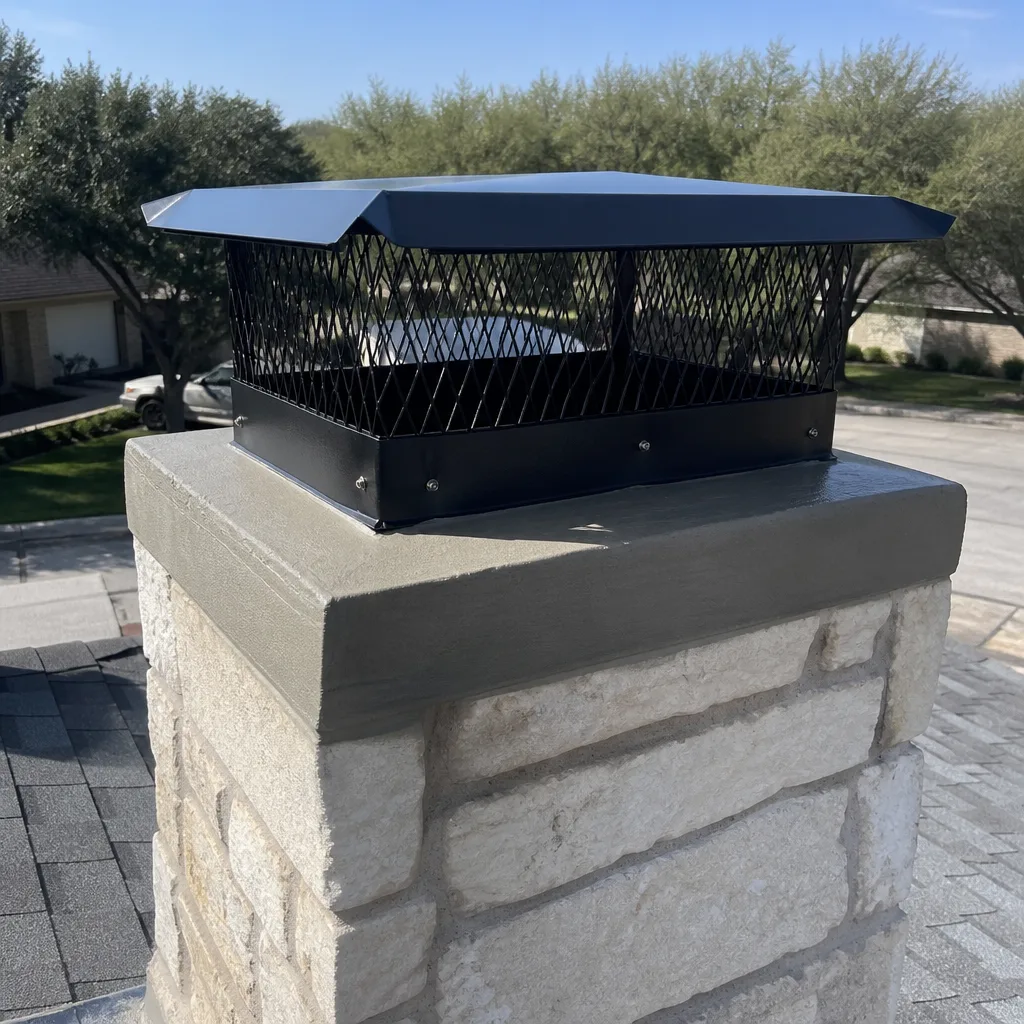
This typically means normal creosote residue is being drawn into the house when conditions create a reverse draft. It’s common in San Marcos summer evenings when air conditioning and exhaust fans run constantly. A thorough cleaning reduces the smell dramatically, and a chimney cap installation often stops the downdraft path entirely. We install Gelco chimney caps because they’re built for this exact problem and hold up to Texas sun better than powder-coated hardware store versions.
White Staining on Exterior Brick (Efflorescence)
White, chalky deposits on exterior chimney brick aren’t cosmetic. Efflorescence happens when water moves through masonry and carries dissolved salts to the surface, where the water evaporates and leaves the salt behind. It’s proof that water is traveling through your chimney’s masonry, and it’s a diagnostic clue about where that water is entering and how long it’s been happening.
What Efflorescence Tells You
- Location of staining points to the water source. Staining near the top suggests crown or cap failure. Staining at the roofline indicates flashing problems. Staining near the base of the chimney outside points to masonry absorption from ground water or a missing drip edge.
- Recurring efflorescence despite cleaning means the water source hasn’t been addressed. Washing it off without fixing the leak is like painting over rust.
- Heavy, crystalline deposits that reappear quickly indicate active water flow through the masonry, not condensation. This is the stage we most often see in San Marcos after prolonged rainy periods.
The fix depends on the source. Crown cracks can be sealed or the crown rebuilt entirely. Flashing leaks are common in San Marcos homes built in the 70s and 80s where original galvanized flashing has corroded in decades of Texas sun and rain. Damaged brick or mortar joints may need repointing to stop bulk water absorption. The important thing is not to ignore the staining. Efflorescence is your chimney telling you where it hurts.
The Visual Inspection Sequence You Can Run Yourself
Before you call a sweep, spend ten minutes running a basic visual inspection from inside your home. You’re not looking for a complete diagnosis, you’re looking for evidence you can describe accurately. This cuts diagnostic time when your sweep arrives and protects you from upsell pressure because you’ll already know what you’re looking at.
Step-by-Step Indoor Inspection
- Open the damper and shine a flashlight up from the firebox. Position your head to the side so you can see past the damper frame. Look for: visible creosote (shiny black or dull brown), debris hanging from the flue walls, or animal nesting material.
- Check the damper condition. Does it open fully and stay open? Does it move smoothly or does it grind, stick, or feel loose? A damper that doesn’t open fully limits draft; a damper that won’t close properly lets conditioned air escape year-round.
- Examine the firebox walls for cracks or missing mortar. Hairline cracks in firebrick are usually cosmetic. Gaps or missing mortar joints need repair before the next fire.
- Run your hand along the walls around the fireplace (cool chimney, no fire in 24 hours). Cold spots indicate missing insulation or moisture in the masonry. Warm spots are normal if there’s been a fire recently.
- Take photos or a short video with your phone. Aim the camera straight up from the firebox, then pan slowly. A good sweep can tell a lot from a 20-second clip before they even arrive.
Do not climb onto your roof to inspect the exterior chimney. Sloped roofs, rain-slicked shingles, and shifting ladders cause serious injuries every year. Leave rooftop inspection to someone with the right equipment and training.
How to Document Symptoms for Your Sweep
Every chimney professional has had this conversation: the homeowner says the chimney smokes, the sweep arrives and can’t reproduce the problem, and nobody’s satisfied. You can prevent this by documenting symptoms the way a technician would. Here’s the specific information that cuts diagnostic time significantly.
What to Record Before You Call
- When exactly the symptom occurs. Is it only during startup? Only when the fire runs for an hour? Only when the dryer runs? Only on certain days? Write down the conditions, not just the symptom.
- The specific smell, in your own words. “It smells like a wet towel left in a gym bag” tells us more than “it stinks.” Our technicians in San Marcos have learned to translate homeowner smell descriptions into probable causes quickly.
- Any change in sound. Does wind howl through the damper? Do you hear popping from the masonry chase? Does the fire crackle more than usual?
- Rain response. Does the odor get stronger after rain? Does water ever drip into the firebox? Does the firebox feel damp to the touch?
- Any work done to the house. New roof, new windows, new weatherstripping, new insulation, new exhaust fan, new water heater, new siding. Any of these can change your chimney’s draft profile overnight.
This kind of documentation isn’t just helpful for us, it’s your insurance against being sold a repair you don’t need. When you can describe symptoms precisely, an honest sweep can match your description to what they find and show you the evidence before recommending work. We repair what we find, and we show you the camera footage before we ask you to spend a dime.
Liner and Flue Damage: What You Can’t See
Most chimney problems visible from the hearth are surface-level. The serious stuff, the damage that becomes a house fire or carbon monoxide leak, happens inside the flue where you can’t see it. This is why professional chimney sweeping in San Marcos includes an inspection, not just a cleaning. Your flue is a combustion system, and combustion systems need regular inspection.
What a Camera Inspection Reveals
- Cracked clay tile liners – Common in San Marcos homes built before 1980. A high-temperature chimney fire can crack tiles, and cracked tiles allow heat and gases to reach combustible framing.
- Deteriorated mortar joints between tiles – Gaps between flue tiles allow heat transfer and gas leakage.
- Separated or collapsed flue sections – Often caused by settling, tree roots, or poor original installation.
- Hidden creosote accumulation in offset sections – The bends and turns in a flue collect creosote faster than straight runs. A camera inspection in San Marcos reveals what a brush can’t reach.
When a liner has failed, we have two primary approaches. Complete relining with DuraFlex flexible liner systems gives you a new insulated passageway sized correctly for your appliance. In cases where the original liner is intact but the surface has deteriorated, HeatShield liner restoration resurfaces the existing flue using a professional-grade material applied by certified technicians. Both approaches are professional repairs, but they serve different situations. The right call comes down to what the camera shows.
Dryer Vent Warning Signs Homeowners Miss
A chimney sweep’s diagnostic approach applies just as directly to dryer vents, which is why dryer vent cleaning in San Marcos sits alongside our chimney services rather than being an add-on. Your dryer vent is a combustion pathway for lint fires rather than wood smoke, but the same principles apply: restricted airflow, combustible accumulation, and hidden damage behind walls.
Signs Your Dryer Vent Needs Attention
- Clothes taking longer than 40-45 minutes to dry. This is the most common first symptom. Your dryer pushes heat into the drum, but if the vent is restricted, that heat can’t escape, so it stays in the drum longer. It feels like the dryer is working harder, but actually it’s working inefficiently against a clogged vent.
- The laundry room gets warm and humid during a cycle. Heat and moisture should be vented outside. If they’re staying in the room, the pathway is blocked.
- Your dryer’s exterior vent flap doesn’t fully open while running. The flap should be held open by the force of the exhaust air. A weak or fluttering flap means low airflow.
- Burning smell during operation. Lint near the heating element or built up in the vent duct can scorch. This is a fire hazard. Stop the dryer and call a professional.
- Lint accumulating on walls, shelves, or the floor near the dryer. Fine lint particles escaping the vent system are a sign that the vent pipe has a leak, a poor connection, or is disconnected entirely.
Dryer vent cleaning is a fire-safety service, full stop. The U.S. Fire Administration attributes thousands of dryer fires every year to lint accumulation, and the homes we see in San Marcos with long vent runs, multiple turns, or vertical risers are especially vulnerable. The service takes about an hour, but it’s the highest-value fire prevention work most homeowners can do for under $200. We clean dryer vents with the same diagnostic discipline we apply to chimneys, because in both cases the goal is the same: clear the combustion pathway and verify it’s safe.
Common Mistakes to Avoid
- Calling a generalist handyman for a chimney problem. Chimney work is specialized because the failure modes are specialized. A handyman who patches a crown crack with silicone caulk has made the problem worse in a way you won’t discover until the next rain.
- Assuming every smoky fireplace is a dirty chimney. We’ve covered house depressurization above, but it bears repeating: if your home is tightly sealed and you run exhaust appliances constantly, the chimney may not be the problem at all.
- Ignoring efflorescence because it’s “just cosmetic.” Efflorescence is your chimney’s early warning system, and pretending the white staining doesn’t matter just means catching the same problem later as a structural repair.
- Buying a chimney cap based on price alone. Here in San Marcos, we see cheap caps that have rusted through or blown off within three years. The storms and sun here find weak materials quickly. Professional caps like Gelco models are built for the conditions.
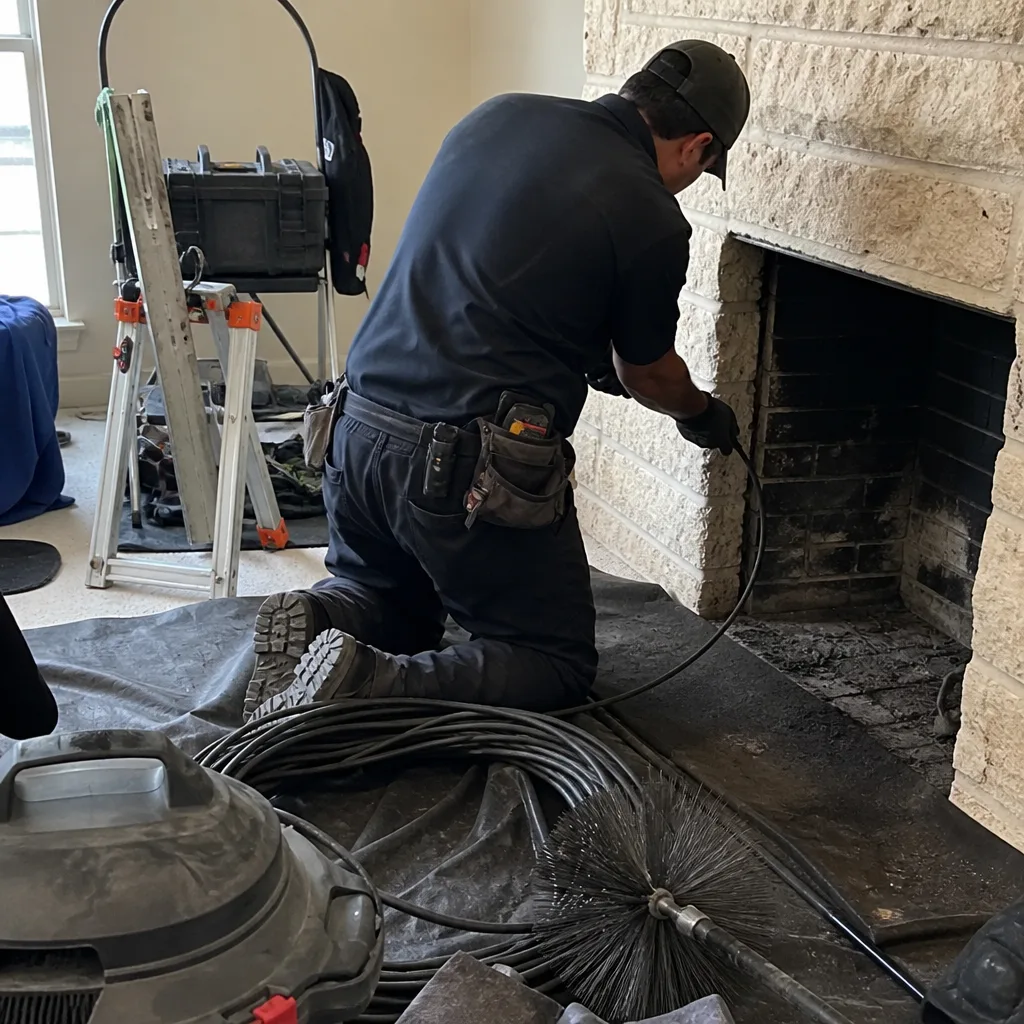
- Running a chimney brush down from the roof without taking camera footage first. You can’t verify the flue is clean without seeing it. You can’t diagnose cracks without seeing them. Sweeping without inspection is guessing.
- Treating dryer vent cleaning as an optional extra. The lint fire in your dryer vent is exactly as real as the creosote fire in your chimney. They’re both combustion pathways, and they both kill people every year when neglected.
See the difference
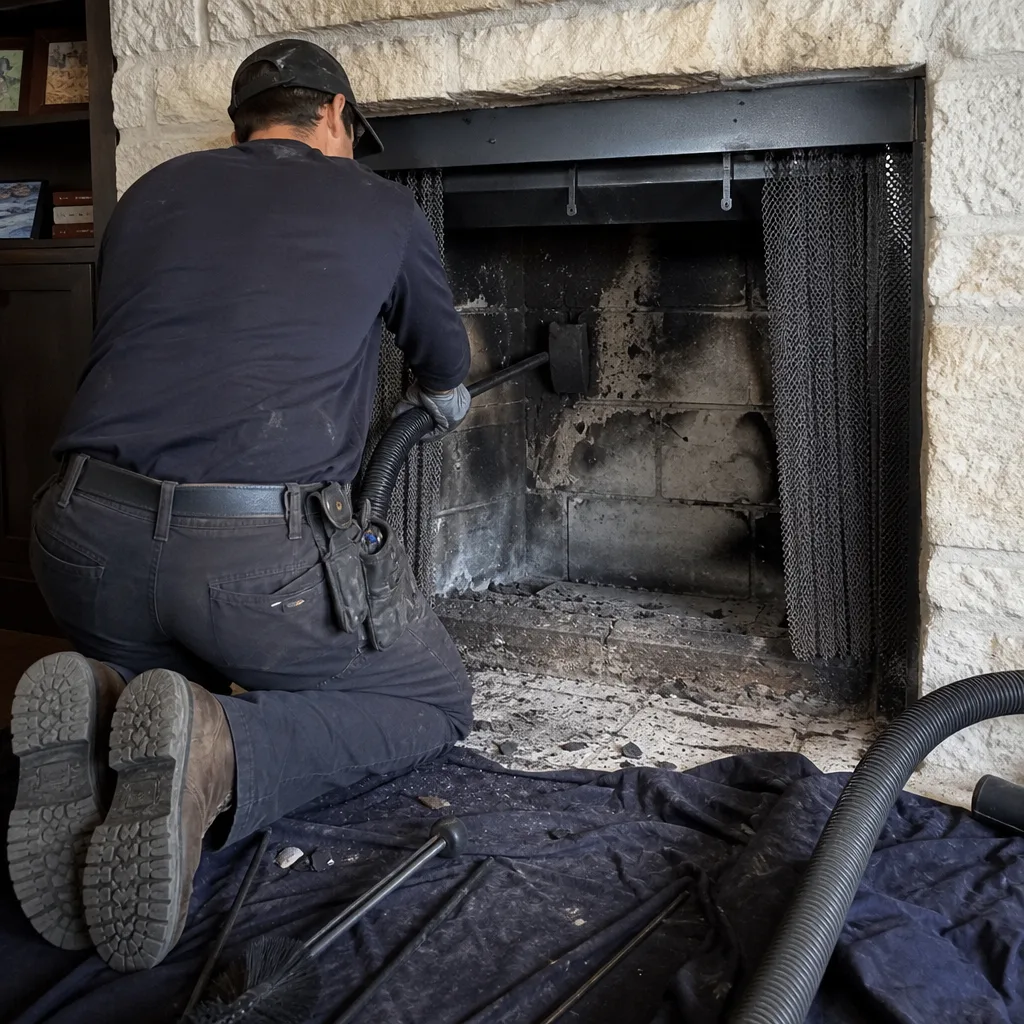 Before
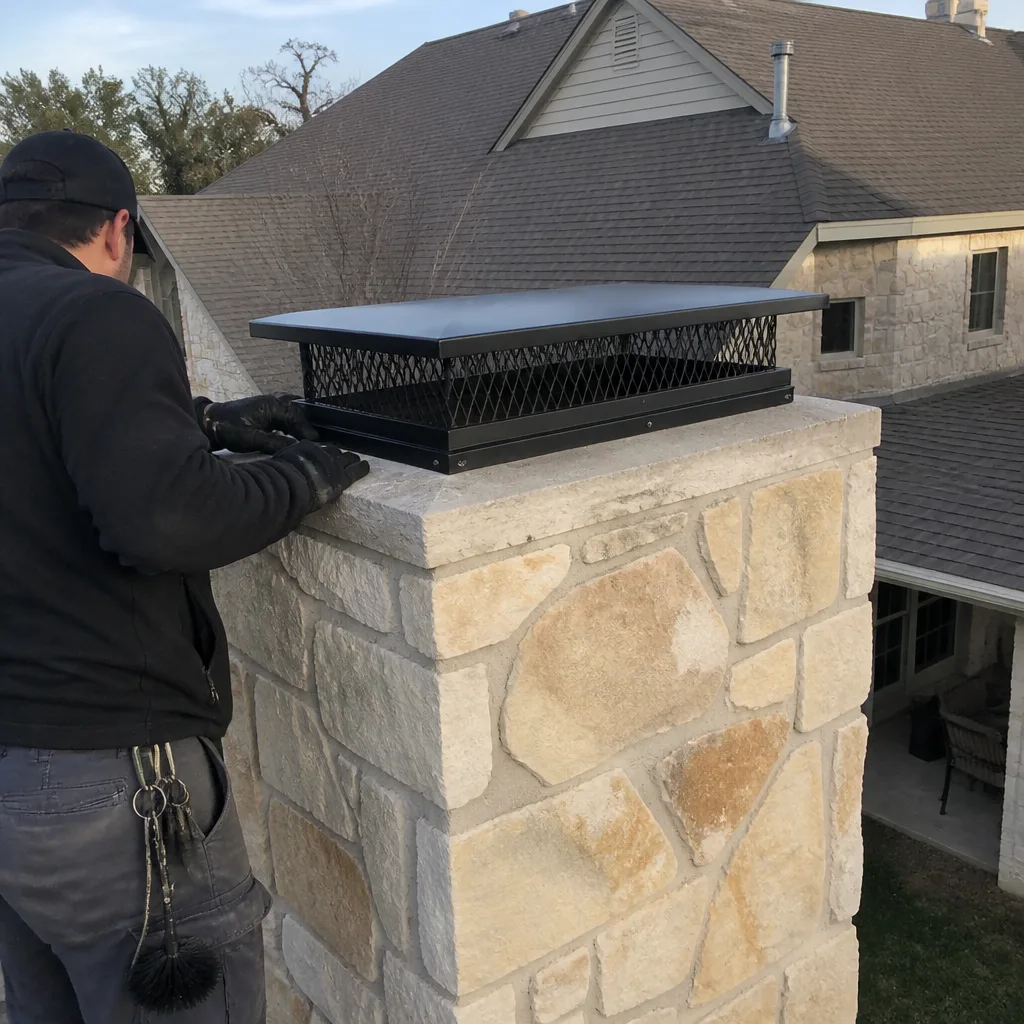 After
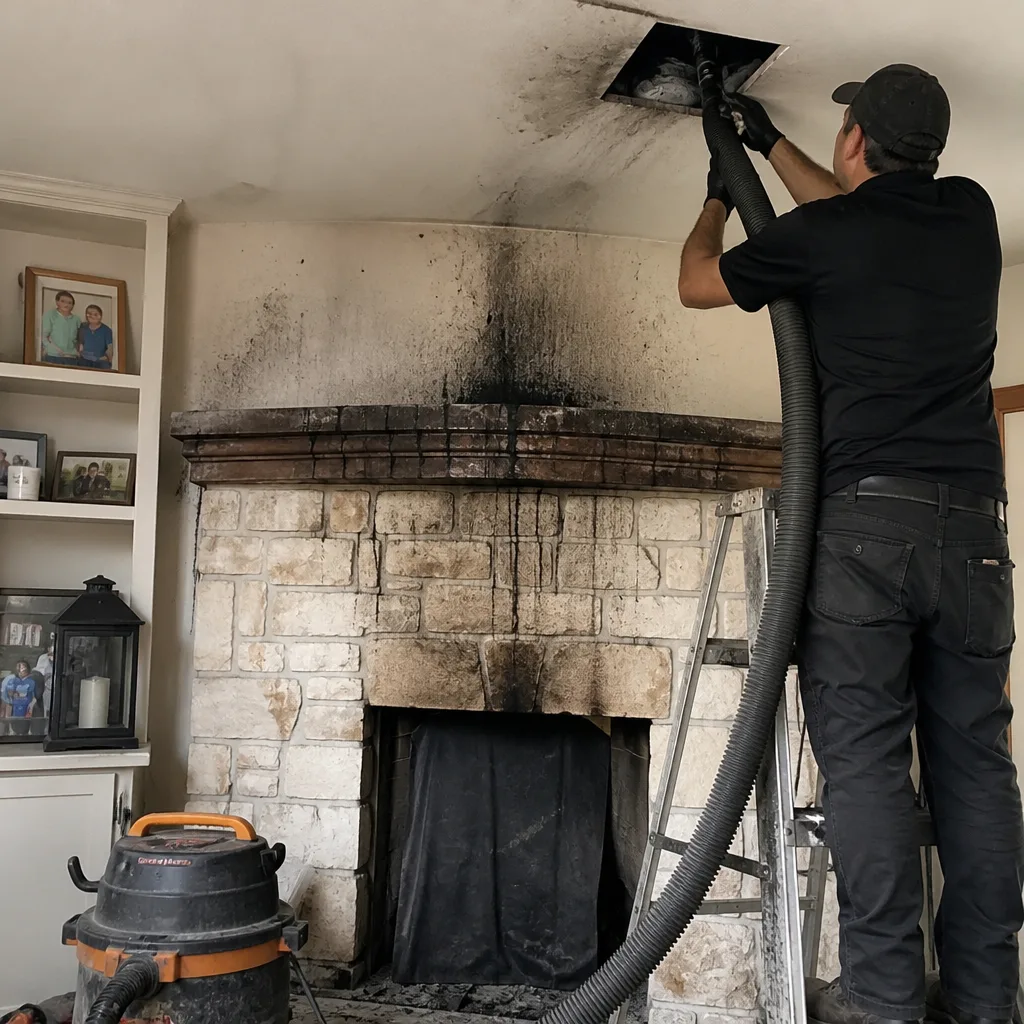 Before
 After
 Before
 After
When to Call a Professional
Call a chimney professional when you have smoke backing into the room, any persistent odor you can’t identify, visible staining on exterior brick, water in the firebox, or a dryer that takes longer than 45 minutes to dry a load. Also call after any chimney fire (even a small one), after any major storm that could have shifted the chimney structure, and after buying a home where you don’t know the chimney’s service history. These aren’t emergencies, but they are time-sensitive. The longer water sits in masonry or creosote accumulates in a flue, the more the eventual repair costs. Oakgrove Chimney Sweep offers free estimates in San Marcos; call (866) 472-2513 and we’ll tell you honestly what you’re looking at and whether it can wait.
Frequently Asked Questions
A wood-burning fireplace used regularly through the winter should be swept annually, even if you burn dry, seasoned wood. Gas fireplaces should be inspected every two years. In San Marcos, our winter burning season is shorter than up north, but humidity and summer heat create conditions where creosote from even a light season degrades and releases odor faster than it would in a colder climate. An annual sweep with inspection catches problems before they become visible symptoms. Call (866) 472-2513 to schedule a sweep and inspection.
A standard chimney sweep and inspection in San Marcos typically runs between $150 and $300 depending on the chimney’s condition, height, and accessibility. Obstruction removal, animal nest removal, or heavy creosote accumulation may add to the scope but not to the surprise: we quote a flat price before we start work. You’ll know the exact number before anything is done. Call (866) 472-2513 for a free estimate based on your specific chimney.
You can absolutely purchase a brush and run it through your flue, but here’s what you can’t do from a big-box store: verify the flue is actually clean, inspect for cracks or deterioration, identify moisture entry points, or confirm the damper and cap are functioning correctly. Most DIY chimney cleaning in San Marcos removes visible creosote while leaving the hidden problems undisturbed, which is exactly what a professional inspection exists to catch. If you clean your own chimney, you’re cleaning, not diagnosing. For the diagnosis that actually protects your home, call (866) 472-2513.
You need a camera inspection to answer this properly. Cracked clay tiles, deteriorated mortar joints, separated sections, or excessive creosote accumulation inside the liner all indicate replacement or resurfacing. Chimney repair in San Marcos with DuraFlex relining or HeatShield resurfacing addresses liner damage permanently, but the first step is seeing what’s actually going on inside the flue. A camera inspection is included with our standard sweep.
Summer chimney odor happens when creosote residue in the flue heats up in the sun and releases volatile compounds, which then settle back down into your home through the open damper or minor reverse draft conditions. The fix is a thorough cleaning to remove the source of the odor, plus a properly fitted cap like the Gelco models we install to stop the downdraft path. It’s one of the most common complaints we hear in San Marcos from July through September. Call (866) 472-2513 to schedule a sweep and cap evaluation.
Yes, and it’s one of the most preventable fires a home can have. Lint is highly combustible, and when it accumulates inside a dryer vent pipe, it sits close to the heat source and restricts airflow so the dryer runs hotter with worse ventilation. The fire department responds to thousands of these fires every year in the U.S., and many go unreported because they self-extinguish before spreading. Dryer vent cleaning in San Marcos takes about an hour and directly removes the fire hazard. It’s not glamorous maintenance, but it’s life-safety maintenance.
The Bottom Line
Chimney problems are usually solvable when they’re identified correctly the first time. The difficulty is that symptoms overlap: a musty smell could be crown damage or simply an unmet seasonal cleaning. Smoke in the room could be a blocked flue or a tightly sealed house fighting your exhaust fans. White staining on brick could be surface condensation or active water intrusion. The discipline is in the diagnosis, not the fix. Document what you see, describe it accurately, and find a sweep who shows you evidence before recommending work. In San Marcos, that’s what we do. One call covers sweep, inspection, repair, and dryer vent safety: (866) 472-2513.
Written by the team at Oakgrove Chimney Sweep, serving San Marcos since 2017.