Last updated October 30, 2026
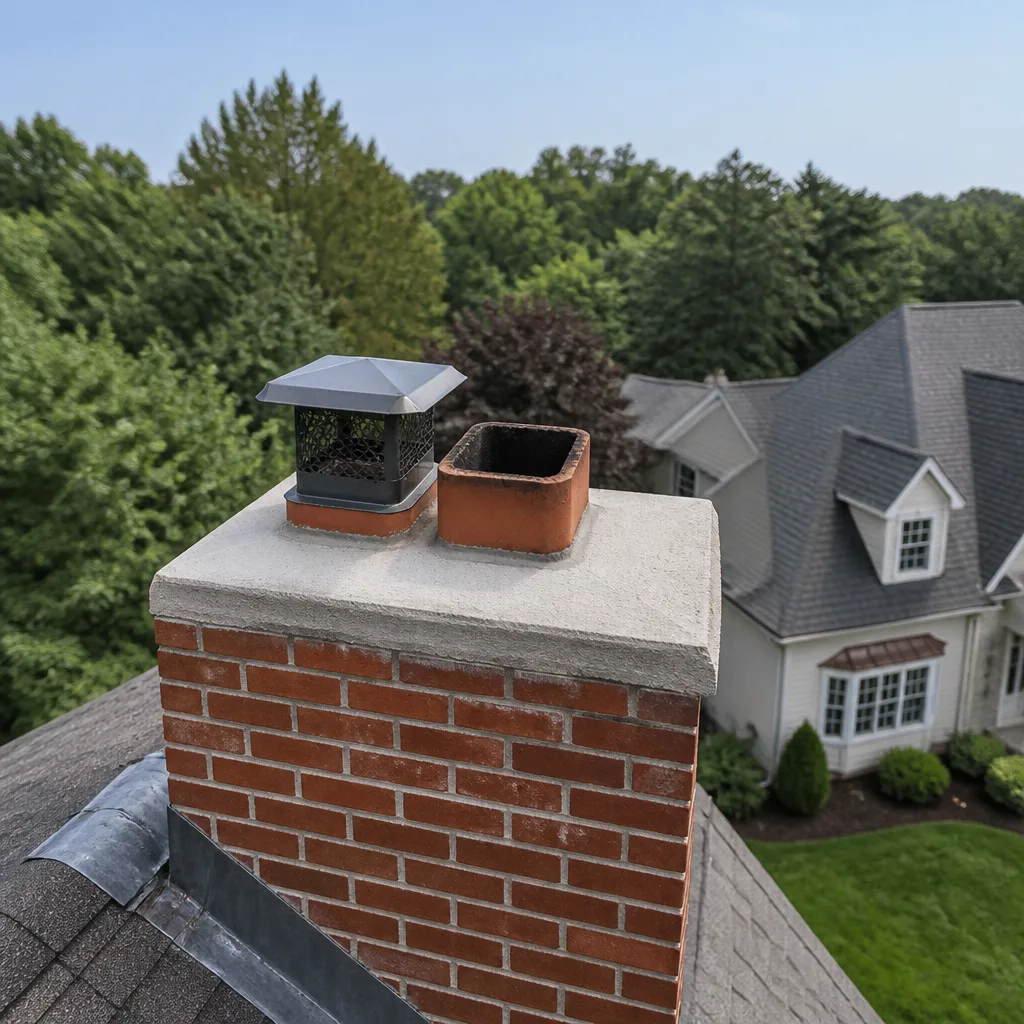 Sweep & inspection
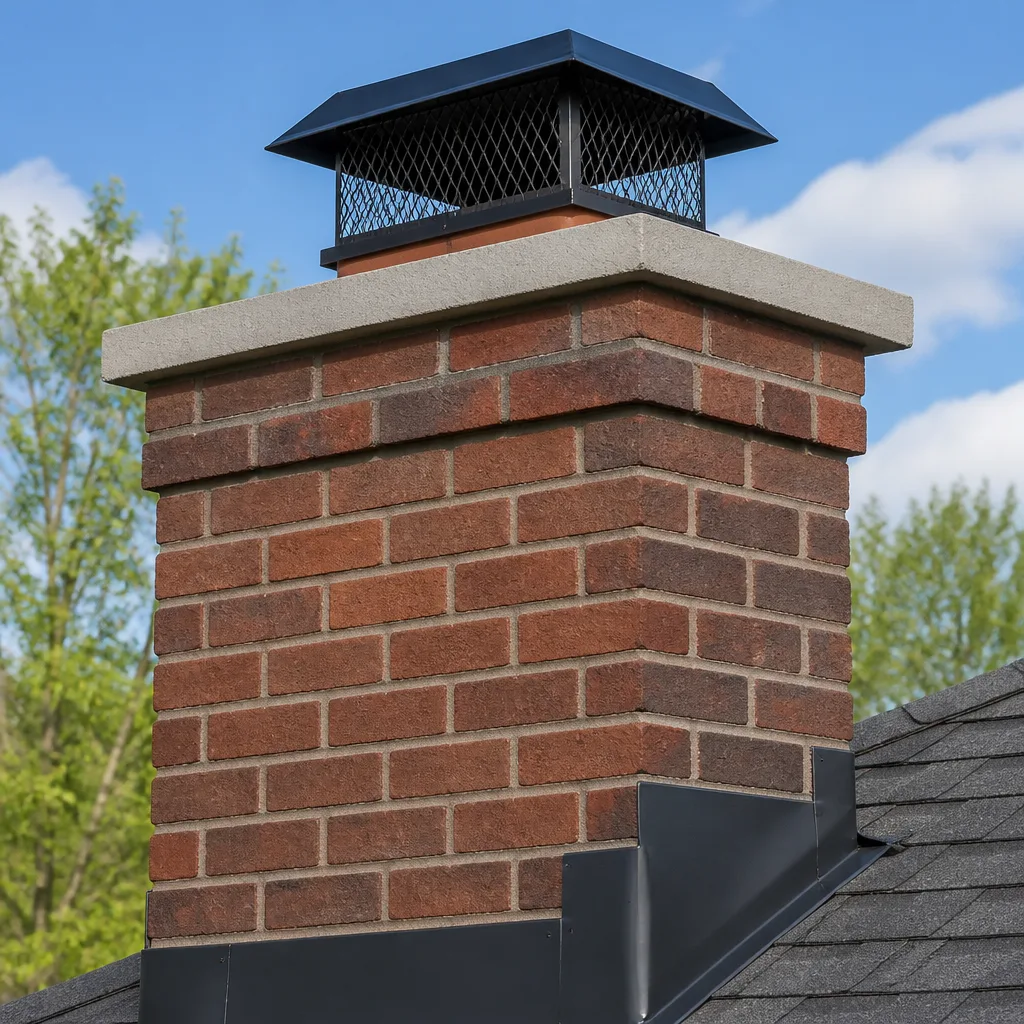 Caps & crowns
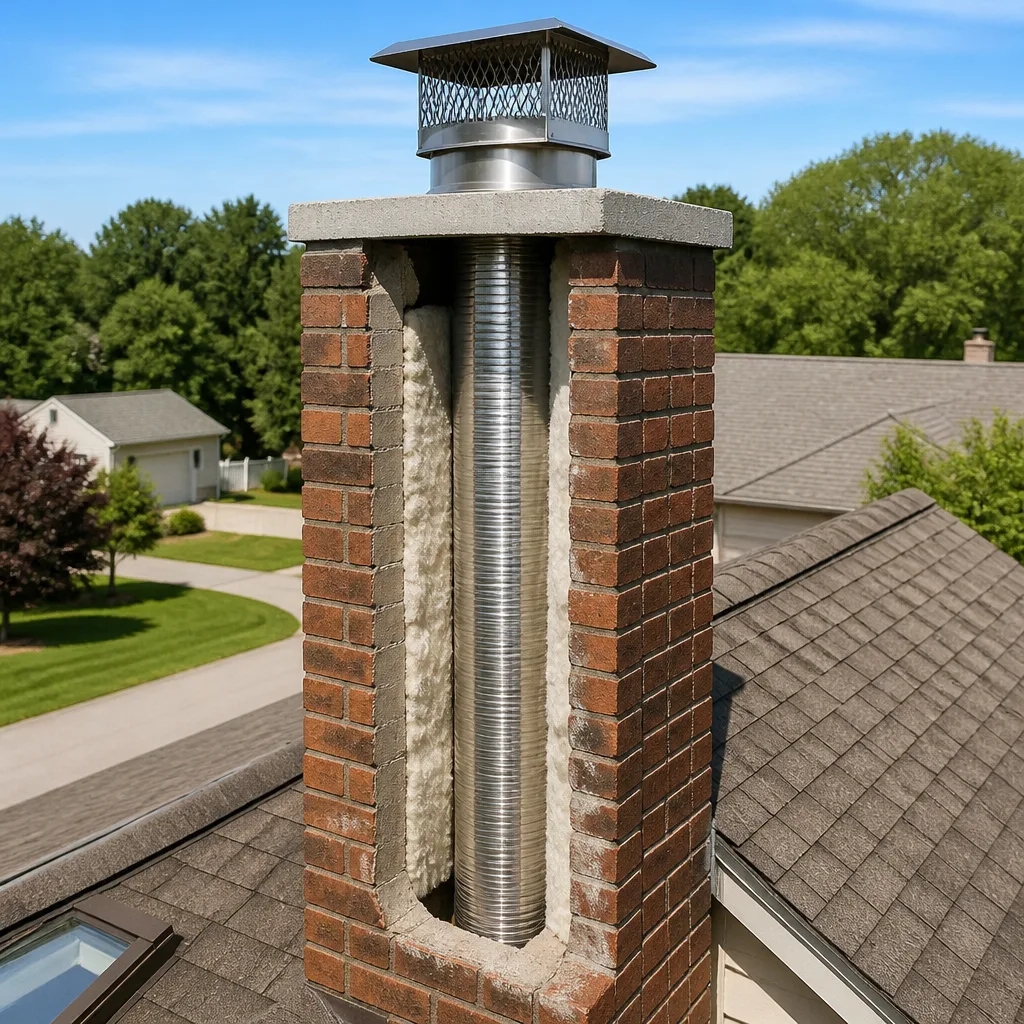 Flue relining
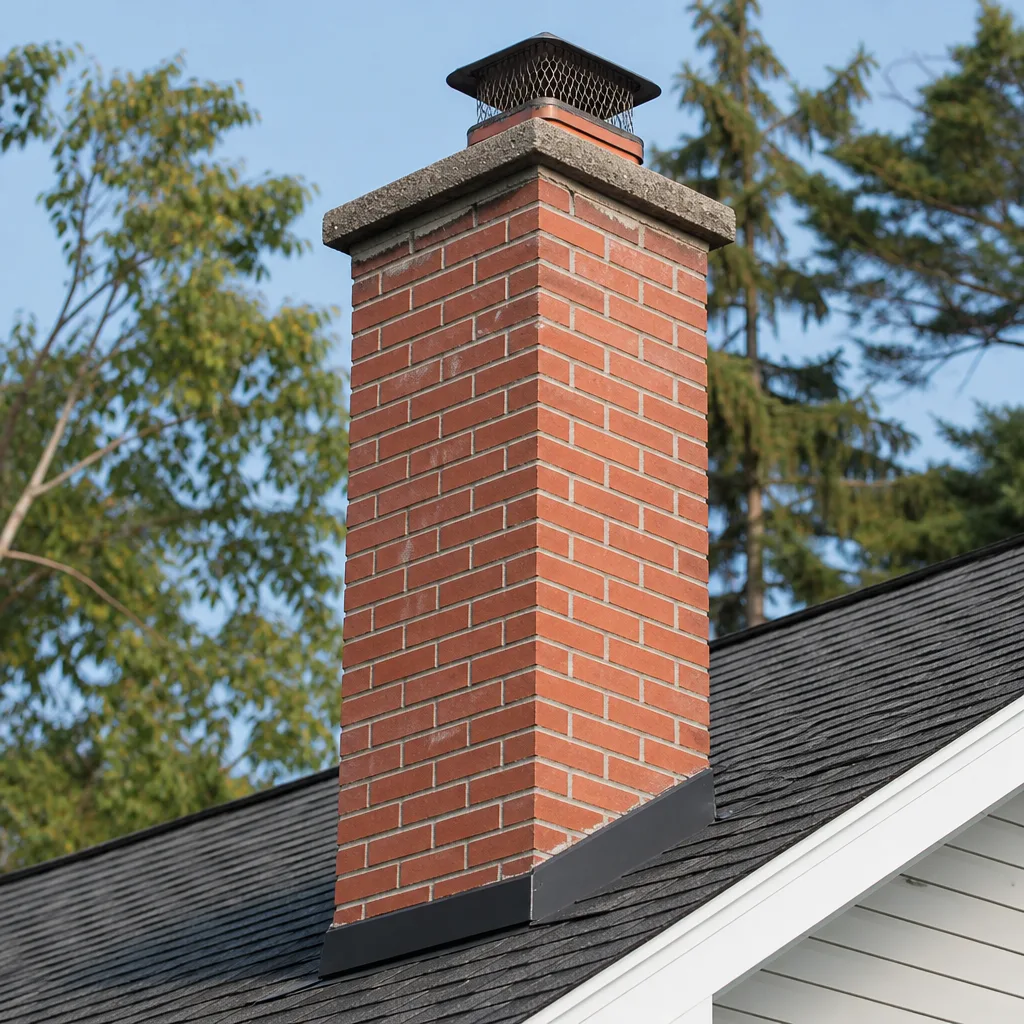 Masonry repair
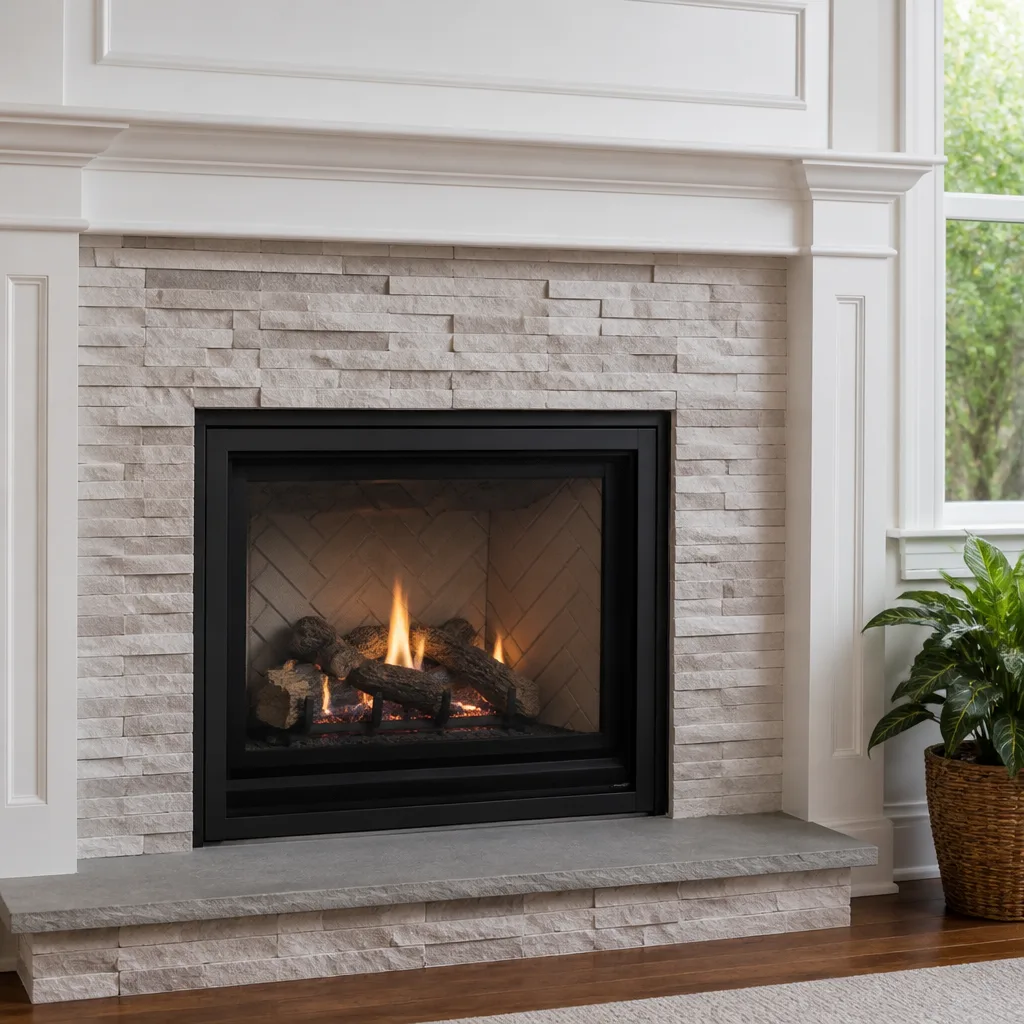 Gas fireplace service
Level 1 sweep and inspection to the NFPA 211 annual standard - flue, crown, cap, and flashing checked and photographed
Chimney sweep logs do not sweep chimneys. They loosen some creosote - which then falls where a brush and vacuum still have to collect it.
The Complete Chimney Sweep Guide for San Marcos Homeowners
Most national chimney guides assume you’re burning wood four months straight. San Marcos homeowners who fire up the hearth for eight intense weekends a year face a different creosote risk profile that standard scheduling gets wrong. This guide explains why the conventional “sweep once a year” advice doesn’t map cleanly onto Central Texas, what actually happens inside your flue during concentrated seasonal burning, and how to maintain a fireplace that’s safe, efficient, and ready when the first cold front hits San Marcos. For a deeper look, see our Complete Guide to Chimney Cleaning in San Marcos.
Quick Answer
Chimney sweeping in San Marcos typically costs between $150 and $280 for a standard fireplace inspection and cleaning, and most homeowners should schedule it in late summer or early fall before the first burn of the season. A full-service visit that includes camera inspection of the flue interior is the only way to catch the corrosion and hail damage common in Central Texas, and it’s worth the additional cost every two to three years even if you burn infrequently.
Styles & brands we work with
Table of Contents
- Why San Marcos Burning Patterns Create a Different Creosote Problem
- What a Full-Service Inspection Covers vs. a Sweep-Only Visit
- How to Read Your Firebox and Smoke Chamber Between Visits
- The Two Most Neglected Components in Texas Chimneys: Dampers and Caps
- A Seasonal Maintenance Calendar Built for San Marcos
- What Chimney Sweeping Costs in San Marcos and What Affects the Price
- Why Dryer Vent Cleaning Belongs in Your Annual Safety Routine
- Common Mistakes to Avoid
- When to Call a Professional
- Frequently Asked Questions
Why San Marcos Burning Patterns Create a Different Creosote Problem
Here’s the thing most national guides get wrong: creosote doesn’t build up on a calendar schedule. It builds on a combustion schedule. A family in Vermont might burn a fire daily from November through March, but those fires are often low and slow – the kind that produce heavy smoke and cool flue temperatures, which is how creosote forms. They spread that buildup across four or five months of consistent use.
San Marcos is different. Our burning season runs from roughly late November through February, and for many households it’s concentrated into bursts: a cold snap here, a holiday gathering there, maybe a string of fires around New Year’s. That pattern – shorter, hotter fires with longer gaps between them – creates what we call Stage 2 creosote: the flaky, tar-like deposit that forms when flue temperatures swing rapidly. It’s not the fluffy Stage 1 ash you get from slow, steady burning. Stage 2 creosote is harder, more concentrated, and significantly more flammable.
The Hill Country’s humidity cycles compound this. When a fireplace sits unused for weeks at a time, the air inside the flue holds moisture. That moisture absorbs into creosote deposits, and when the next fire hits, the deposits heat unevenly. In our experience servicing homes across San Marcos, Blanco Vista, and Willow Creek, we regularly see flues with only eight to ten burns per season that need as much attention as a fireplace used daily up north. The calendar says “once a year.” The flue says something different.
What this means practically: if you burn at least six to eight times each winter, an annual sweep is still the right floor for San Marcos. If you burn more than that, or if you burn unseasoned oak, you may need a second look. Pecan and post oak are common here, and both hold moisture longer than you’d think. Wet wood plus short, hot burns is the exact recipe for Stage 2 creosote, and it’s why we recommend a chimney sweep before the season even if last season’s count felt light.
What a Full-Service Inspection Covers vs. a Sweep-Only Visit
Not all chimney service is the same, and in San Marcos the difference matters more than in climates where chimneys see less temperature stress. See our DIY vs Professional Chimney Cleaning guide for help deciding. A sweep-only visit removes creosote. A full-service inspection diagnoses the condition of the entire combustion system: flue liner, smoke chamber, damper, crown, cap, flashing, firebox, and the exterior masonry. One of those tells you the chimney is clean. The other tells you whether it’s safe to burn.
At Oakgrove Chimney Sweep home, we treat sweeping as the entry point to a diagnostic process. The camera doesn’t come out after the brushes go up – the sweep is what gives the camera a clear view. Here’s what a full-service visit covers that a sweep-only call skips:
- Flue liner inspection: Clay tile liners crack under rapid heating and cooling, which is exactly the pattern our climate produces. A hairline crack in a flue liner is an escape route for sparks and carbon monoxide. Camera inspection is the only way to see it.
- Smoke chamber evaluation: The area above the firebox and below the flue is where most older masonry chimneys in San Marcos show their age. Gaps and eroded mortar joints trap creosote and can allow heat transfer to surrounding framing.
- Damper operation: Humidity cycles corrode cast-iron dampers faster than you’d expect. A damper that won’t fully open or close is both a drafting problem and a safety problem.
- Crown and cap condition: The masonry crown is your chimney’s first line of defense against rain. Central Texas thunderstorms can dump an inch of water in twenty minutes, and a cracked crown sends that water directly into your flue.
- Exterior masonry integrity: Older homes in San Marcos, especially those built in the 1970s through the 1990s with limestone or buff brick, often have mortar joints that have softened from decades of humidity and temperature swings.
If you have an older San Marcos home with an original masonry chimney, our Chimney Sweep in San Marcos service always includes a camera inspection because we’re looking for problems that accumulated before you ever bought the house. The truth is, many chimneys in this area have never been inspected beyond a visual glance. A thorough diagnosis now is cheaper than a rebuild later.
How to Read Your Firebox and Smoke Chamber Between Visits
You don’t need a camera to spot warning signs. You need to know what you’re looking at. Between professional visits, these are the indicators we tell San Marcos homeowners to watch for in the firebox and the visible portion of the smoke chamber:
- Flaking or spalling brick: If the firebox floor or walls are shedding thin layers of brick or mortar, heat and moisture are working on the masonry. Spalling is progressive. It won’t stop on its own.
- White staining on the firebox walls: That’s efflorescence, mineral salts left behind when water evaporates from masonry. It means water is entering somewhere – usually through a damaged crown or cap – and it’s moving through your chimney’s structure.
- Shiny, tar-like deposits in the smoke chamber: This is Stage 3 creosote, also called glazed creosote. It’s highly flammable and nearly impossible to remove with standard brushes. If you can see a glossy coating on the walls above the damper, stop burning and schedule an inspection.
- Rust on the damper or firebox grate: Rust means moisture is present where it shouldn’t be. It might be a leaking chimney, or it might be condensation from improper drafting. Either way, it’s a signal that your combustion system isn’t functioning correctly.
- Smoke stains around the fireplace opening or mantel: This indicates backdrafting – smoke entering the room instead of rising cleanly through the flue. It can be caused by a cold flue, negative pressure in the home, or an obstruction. Persistent smoke stains are a health and safety issue, not a cosmetic one.
None of these require special tools to spot. A flashlight and two minutes on a step stool are enough. What they require is knowing that the smoke chamber is the most common failure point in masonry chimneys, and that our repair crews in San Marcos spend more time fixing neglected smoke chambers than anything else. A smoke chamber that’s letting heat escape toward your framing is not a “we’ll get to it someday” problem.
The Two Most Neglected Components in Texas Chimneys: Dampers and Caps
Ask a homeowner what a chimney sweep does and they’ll say “cleans the flue.” They won’t say “checks the damper and the rain cap.” But in Central Texas, those two components fail more often than the flue liner itself, and they fail for reasons that are specific to our climate.
Dampers corrode from humidity cycles. Cast-iron dampers are built to handle heat, not moisture. In San Marcos, we get stretches where the humidity sits above 70 percent for weeks, then drops when a norther blows through. Each cycle pushes moisture into the metal. Over five or ten years, the throat damper – the cast-iron plate just above the firebox – rusts, warps, or seizes. A damper that won’t fully close lets conditioned air escape up the chimney every day of the summer. A damper that won’t fully open sends smoke back into your living room. Both are common here, and both are fixable.
Rain caps take hail head-on. Every serious hail event in Hays County – and San Marcos averages one every two to three years – puts the rain cap in the line of fire. A standard galvanized cap gets dented. The mesh around it gets bent. Once the mesh is compromised, birds, squirrels, and leaves get through. A dented cap that still functions isn’t the problem; a cap with a broken screen or a rusted rim is. In our repair work, we install Gelco chimney caps and covers because they’re built to take Texas weather without folding. Hardware-store caps rust out in three to five years, which means you’re buying the same cap twice before a good one would have needed replacing.
When we perform Chimney Repair in San Marcos, the damper and cap are usually at the top of the findings list. These aren’t glamorous components. Nobody posts pictures of their new rain cap on social media. But a working damper and an intact cap are the difference between a chimney that functions for decades and one that needs a liner replacement before its time.
A Seasonal Maintenance Calendar Built for San Marcos
Here’s where we stop talking about national best practices and talk about what the calendar actually says. San Marcos has a distinct rhythm, and your chimney maintenance should follow it:
- September (before the first cold front): Schedule your annual sweep and inspection. This is the most important entry on the list. Getting on the calendar in September means your chimney is ready when that first November chill arrives, and you’re not competing with everyone else for service slots in December. In San Marcos, the first real cold snap usually lands in November, but scheduling early means you get your choice of dates.
- October (before burning season begins): Do the visual checks: open the damper, shine a flashlight up, look for obstructions. Check the rain cap if you can see it from the ground. Trim any branches overhanging the chimney. If you haven’t sealed your firewood, do it now – wood that’s been sitting outside through a humid Central Texas fall will burn poorly and produce more creosote.
- November through February (during burning season): Burn dry wood. Watch for smoke stains, unusual odors, or drafting problems. After each burn, wait 24 hours and check the firebox for the warning signs described above. One important habit: if you’ve burned ten or more fires by mid-January and haven’t had the chimney checked yet that season, pick up the phone.
- March through April (after cedar season ends): This is when we see the neglect catch up. Post-season is a good time for repairs. If your spring inspection finds damage, the mild weather in March and April is ideal for masonry work. Mortar and sealants cure better in moderate temperatures, and getting repairs done in spring means you’re not waiting on someone else’s emergency schedule in November.
- May through August (off-season): Chimney-related tasks are minimal, but this is the right time for Dryer Vent Cleaning in San Marcos. Dryer fires don’t care about the season, and the summer months are when families do the most laundry. If the dryer vent hasn’t been cleaned in two years or more, summer is the time to schedule it.
What Chimney Sweeping Costs in San Marcos and What Affects the Price
Chimney sweep pricing in San Marcos is fairly consistent, but the range matters because it reflects different levels of service. Here’s what we see in the local market:
| Service | Typical Range in San Marcos | What It Includes |
|---|---|---|
| Basic sweep (no inspection) | $120 – $180 | Brushes up the flue, creosote removal, basic visual glance |
| Full sweep with camera inspection | $180 – $280 | Complete cleaning plus full diagnostic of liner, smoke chamber, damper, cap |
| Level 2 inspection (real estate or post-damage) | $250 – $400 | Comprehensive inspection including accessible interior and exterior evaluation |
| Chimney cap replacement (parts and labor) | $180 – $350 | Varies by cap style and materials; stainless steel runs higher |
| Dryer vent cleaning | $90 – $150 | Complete vent path cleaning from dryer to exterior vent |
What affects the price in San Marcos specifically: age of the home, height of the chimney, type of liner, accessibility. A two-story home with a steep roof pitch will cost more than a single-story ranch because the job takes longer and requires different equipment. A chimney that hasn’t been cleaned in five-plus years will take longer to bring back to safe condition than one on an annual schedule. And if your home in San Marcos was built before 1990, the chimney may have a clay tile liner that requires gentler cleaning methods, which can add time to the job.
Our approach is to quote a flat price before we start – you know the number going in, and we don’t surprise you with add-ons. If the inspection reveals repair needs, we show you the camera footage and explain exactly what we’re seeing. If nothing needs repair, we tell you that too. The camera doesn’t lie, which is why we use it on every full-service sweep.
Why Dryer Vent Cleaning Belongs in Your Annual Safety Routine
If you’re reading a chimney guide and wondering why dryer vents are in it, here’s the connection: your chimney and your dryer vent are both combustion pathways. Both handle heated air and exhaust gases. Both accumulate flammable deposits. And both are ignored by most homeowners until something goes wrong.
Dryer vent fires are the category that surprises people. A clogged dryer vent doesn’t just make your dryer work harder – it creates a real fire risk. Lint accumulates in the vent pipe, restricts airflow, and can ignite from the dryer’s heating element. The Consumer Product Safety Commission has reported thousands of dryer fires annually in the U.S., and the majority trace back to inadequate vent cleaning. In San Marcos, where many homes have long, convoluted dryer vent runs through walls and attics, the risk is amplified.
We treat dryer vent cleaning as a fire-safety service because that’s what it is. Our team are chimney-trained specialists who understand combustion pathways and exhaust flow. That’s a different knowledge base than a general duct-cleaning company that happens to run a brush through your dryer line. We understand what happens when exhaust gases don’t move, because we deal with that problem in chimneys every day.
The rule of thumb: if your dryer vent hasn’t been cleaned in two years, schedule it. If your clothes are taking more than one cycle to dry, that’s your dryer telling you the airflow is restricted. If you can see lint built up around the exterior vent flap, you’re already behind. Summer is a good time in San Marcos because the extra laundry from swimming, sports, and travel tends to pile up, but the honest answer is: schedule it whenever it’s overdue.
Common Mistakes to Avoid
- Assuming a light burning season means no sweep needed. In San Marcos, concentrated short burning seasons produce Stage 2 creosote faster than spread-out winter use. A house that burned eight weekends last year can have a more dangerous flue than a house that burned four months of low fires.
- Burning green or unseasoned oak. Pecan and post oak are abundant in the Hill Country, but they need a full year of seasoning in our humidity. Wet wood burns cooler, produces more smoke, and creates more creosote per fire.
- Ignoring a damper that sticks or won’t close fully. A corroded damper is either leaking your air-conditioned air all summer or pushing smoke into your home in winter. Both are wasting money and creating health risks, and both are usually fixable without replacing the entire damper assembly.
- Skipping the camera inspection because the last sweep “looked fine.” A visual glance from below misses everything above the smoke chamber. Liners crack, caps dent, and mortar erodes where you can’t see it. The camera shows what’s actually there.
- Putting off a cracked rain cap because it’s “just a cap.” Once water gets through a damaged cap, it starts softening mortar joints and rusting the damper. A $250 cap replacement today prevents a $2,500 masonry repair in three years.
- Treating the dryer vent as a separate concern from fireplace maintenance. Both are fire-safety systems in your home. If you’re diligent about your chimney but haven’t thought about your dryer vent in five years, you have a gap in your safety coverage.
- Waiting until December to schedule a sweep. By the time the first cold front hits San Marcos, every chimney company is booked for weeks. September scheduling gets you ahead of the rush and means you’re never deciding between burning with a dirty flue or sitting in the cold.
When to Call a Professional
Some problems are visible and obvious: smoke pouring into the room, water dripping down the firebox, the smell of creosote in your living room when the fireplace hasn’t been used in days. Those are emergencies. Call a professional before the next fire. But the subtler signs matter just as much: a damper that fights you, a persistent musty smell from the fireplace, stains on the ceiling near the chimney, a dryer that takes two cycles to dry a normal load. None of those get better on their own, and all of them are cheaper to address early than late. Oakgrove Chimney Sweep offers free estimates in San Marcos – call (866) 472-2513 to schedule an inspection.
Frequently Asked Questions
A standard chimney sweep in San Marcos runs $120 to $180, while a full sweep with camera inspection costs $180 to $280 depending on chimney height, accessibility, and age of the home. The camera inspection is worth the difference because it catches liner damage and moisture problems before they become structural issues. Call (866) 472-2513 for a free estimate on your specific chimney.
Not every damaged liner needs full replacement; some can be restored using HeatShield, a professional resurfacing system that applies a ceramic coating to repair cracked mortar joints and restore the flue’s integrity without demolition. The right answer depends on what the camera shows, and we’ll show you the footage so you can see exactly what we’re seeing before any recommendation is made.
At minimum once a year if you burn at least six to eight fires per season, scheduled before the first fall burn; if you burn more heavily or use unseasoned wood, a mid-season check may be warranted. Concentrated seasonal burning in Central Texas produces Stage 2 creosote faster than prolonged low-heat use, so the annual sweep is a floor, not a ceiling.
Creosote accumulates in the flue and, depending on its type and thickness, becomes a fire risk; over time, moisture trapped by creosote can soften mortar joints and accelerate liner deterioration. If the chimney is used regularly, skipping a sweep for multiple years typically means a more expensive repair later and a higher risk of chimney fire in the interim.
Gas fireplaces don’t produce creosote, but they still need annual inspection because gas combustion produces acidic condensation that corrodes liners and components; gas logs can also produce soot buildup that restricts airflow. In San Marcos, gas fireplaces on exterior walls face additional moisture exposure from humidity cycles, making an annual inspection worthwhile.
Dryer vents and chimneys are both combustion exhaust pathways, and the same thermal and airflow principles apply to both; a clogged dryer vent is a documented fire risk, and cleaning it properly requires understanding how exhaust gases move through confined spaces. We offer dryer vent cleaning as a core safety service, not an add-on, because the fire risk is just as real as with a dirty chimney.
The Bottom Line
A chimney sweep in San Marcos isn’t a chore to check off a list – it’s a diagnostic evaluation of a combustion system that lives inside your home. The Hill Country’s concentrated burning pattern and humidity cycles create conditions that national guidelines don’t address, which is why the annual inspection matters more here than in colder, steadier climates. Schedule your sweep before the season, insist on a camera inspection, fix the damper and cap when they fail, and treat your dryer vent with the same seriousness as your fireplace. Your flue is a combustion system. Sweep it, inspect it, repair what we find – one company, one call: (866) 472-2513. For more guides & resources, visit our blog.
Written by the team at Oakgrove Chimney Sweep, serving San Marcos since 2017.
See the difference
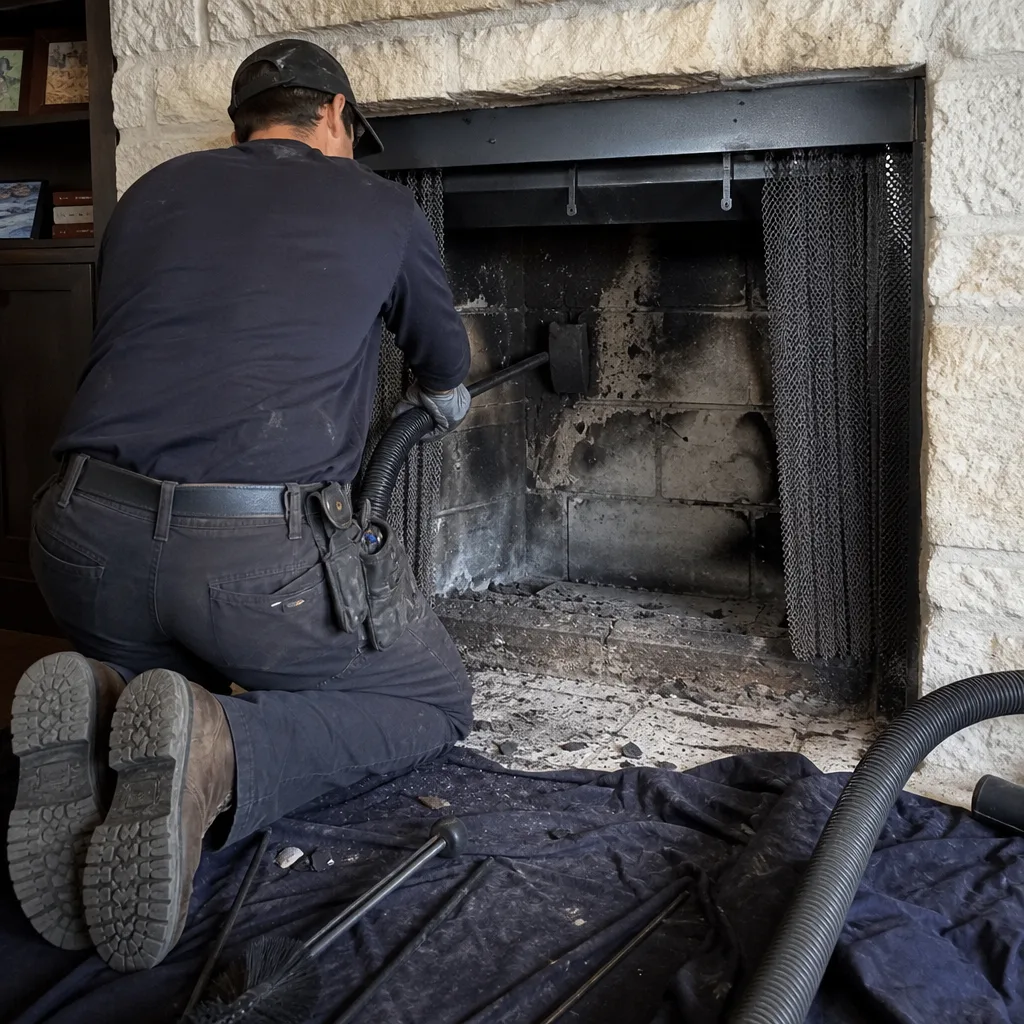 Before
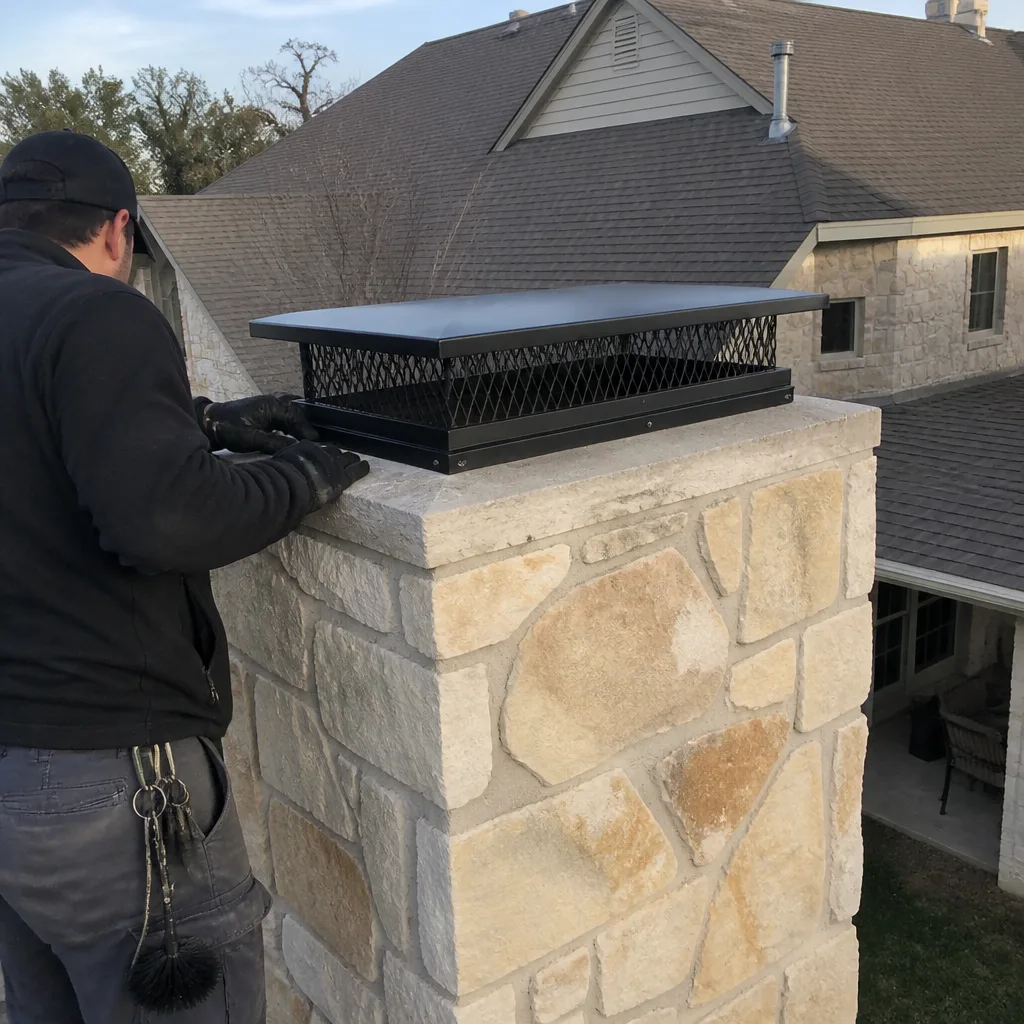 After
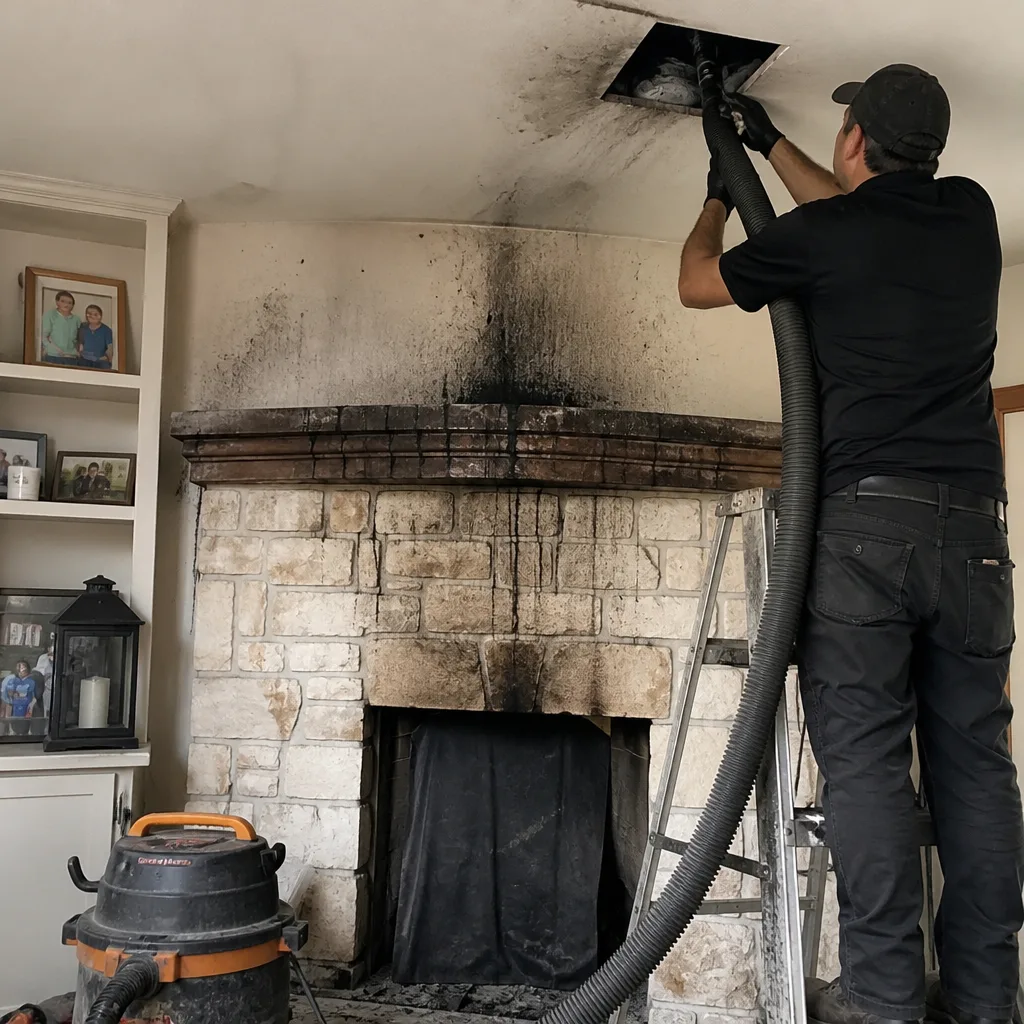 Before
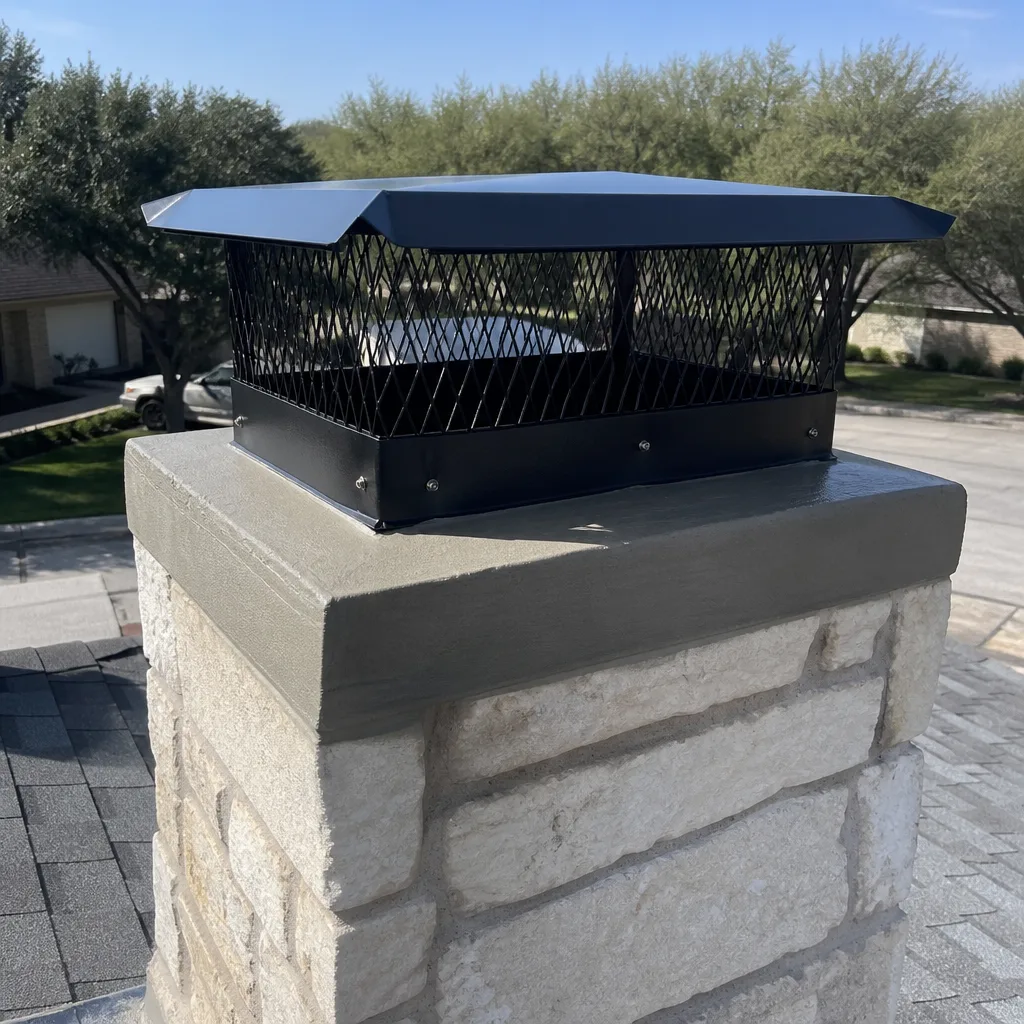 After
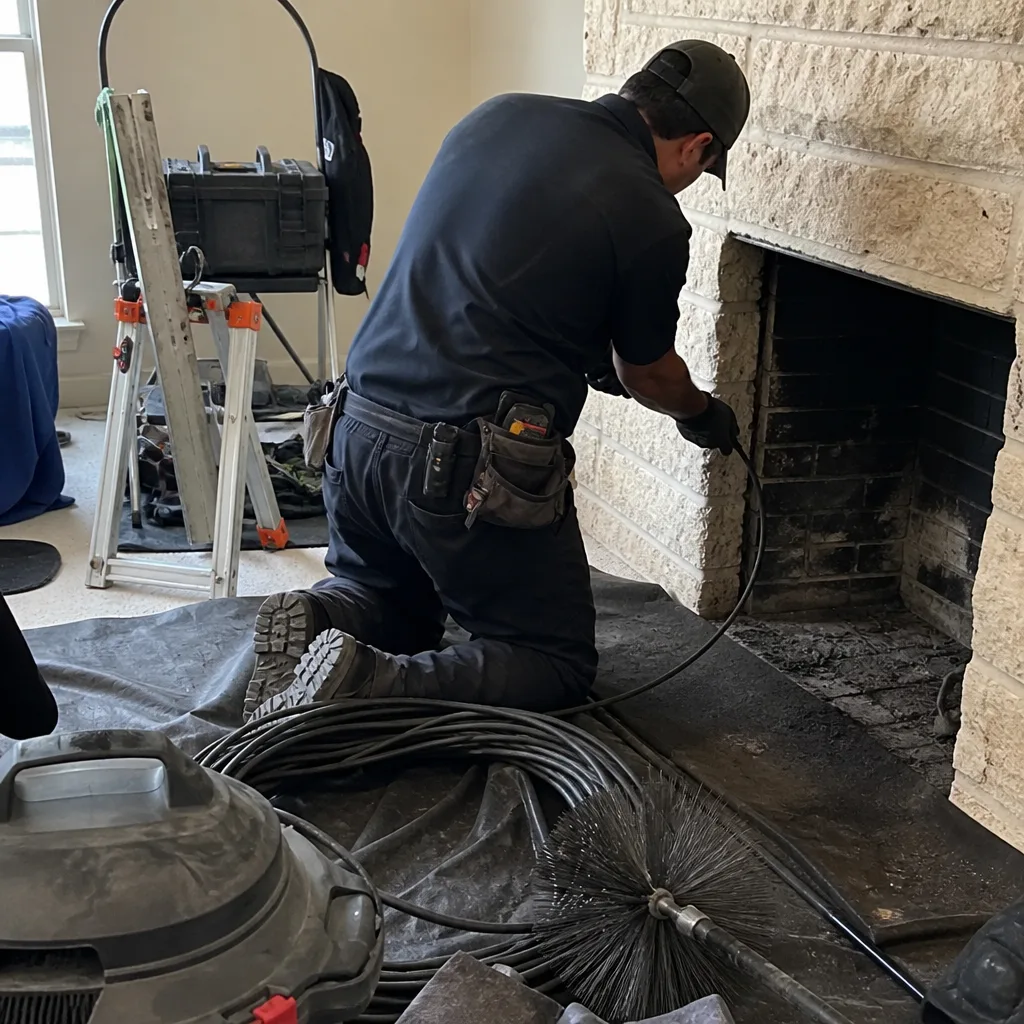 Before
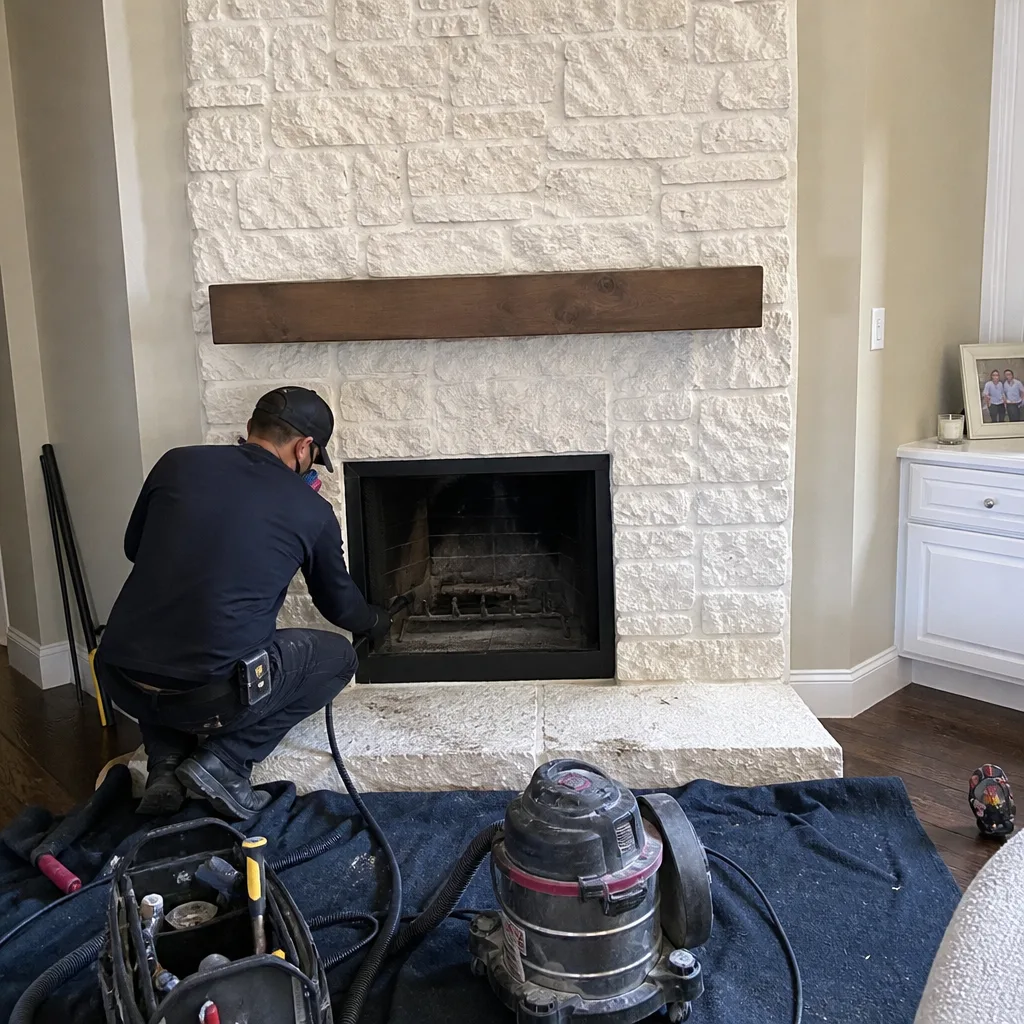 After