Last updated October 30, 2026
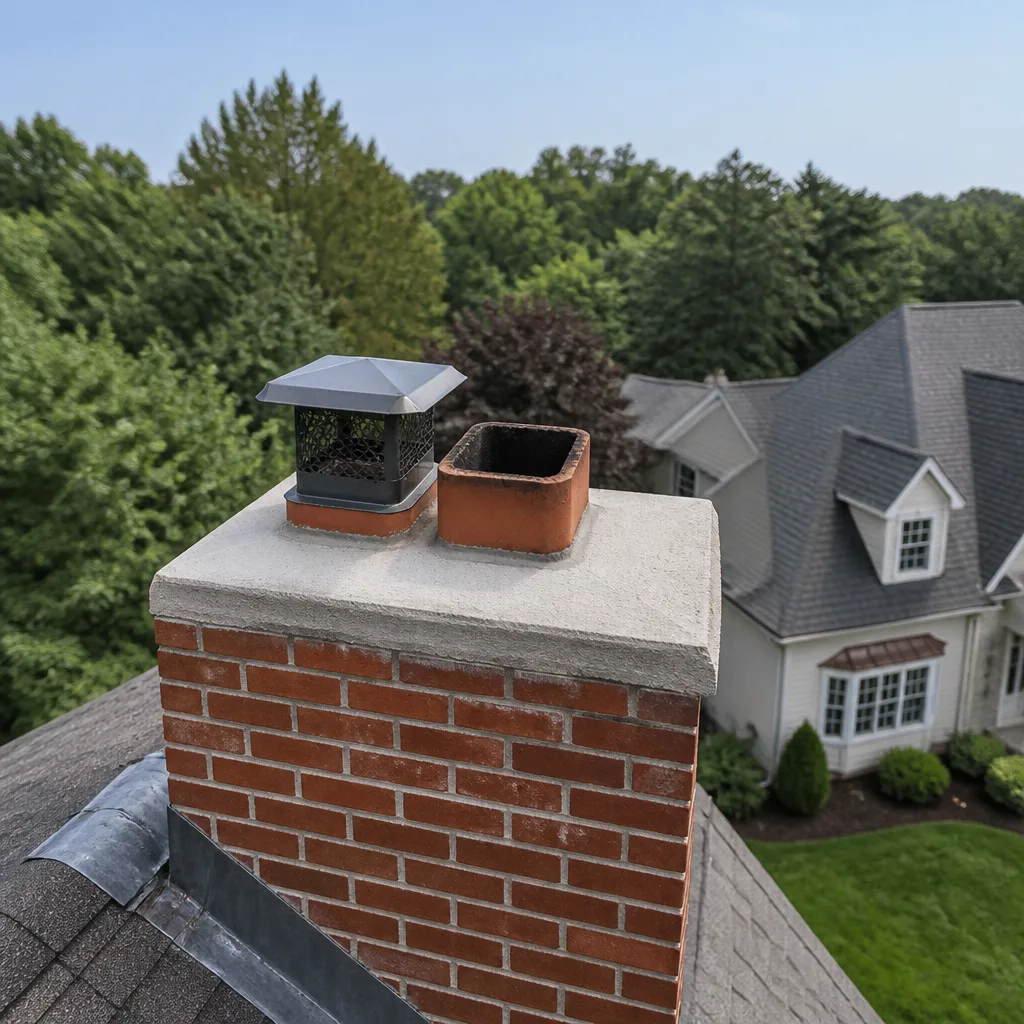 Sweep & inspection
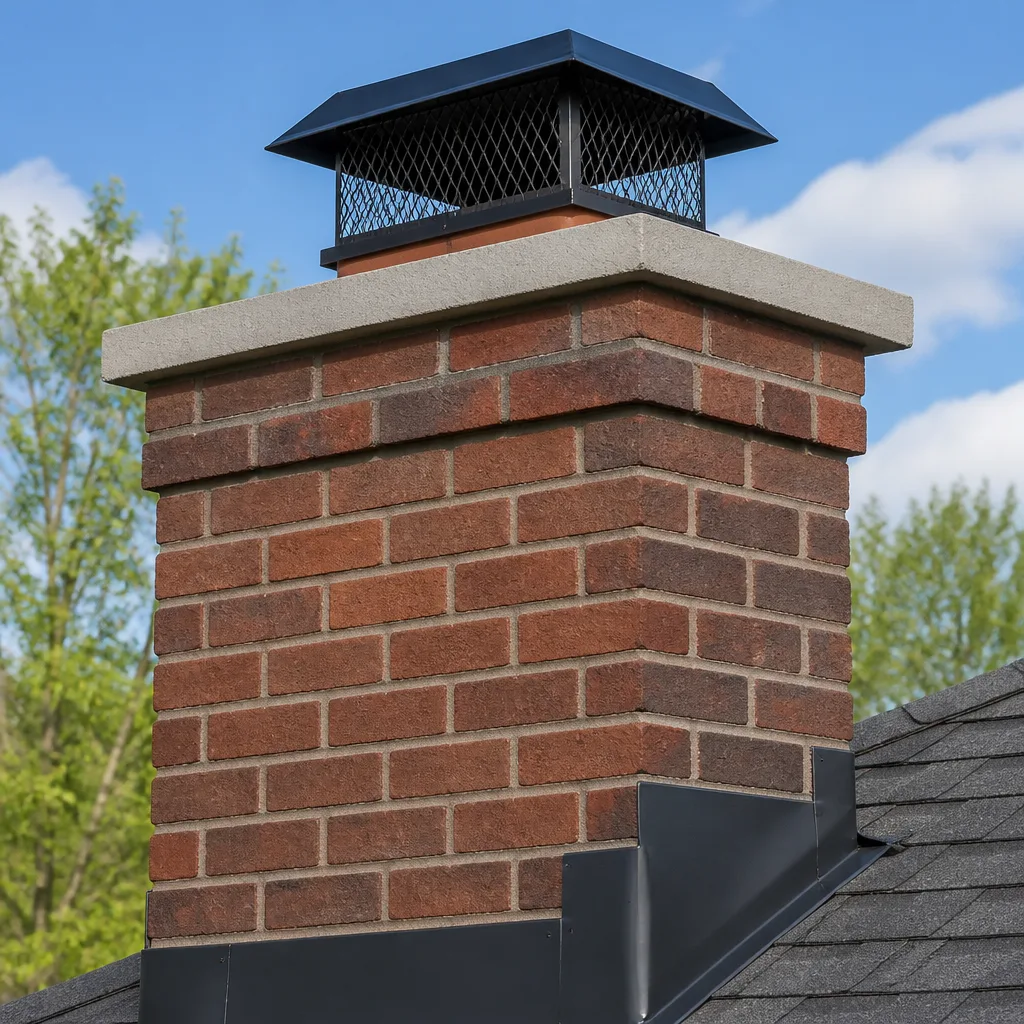 Caps & crowns
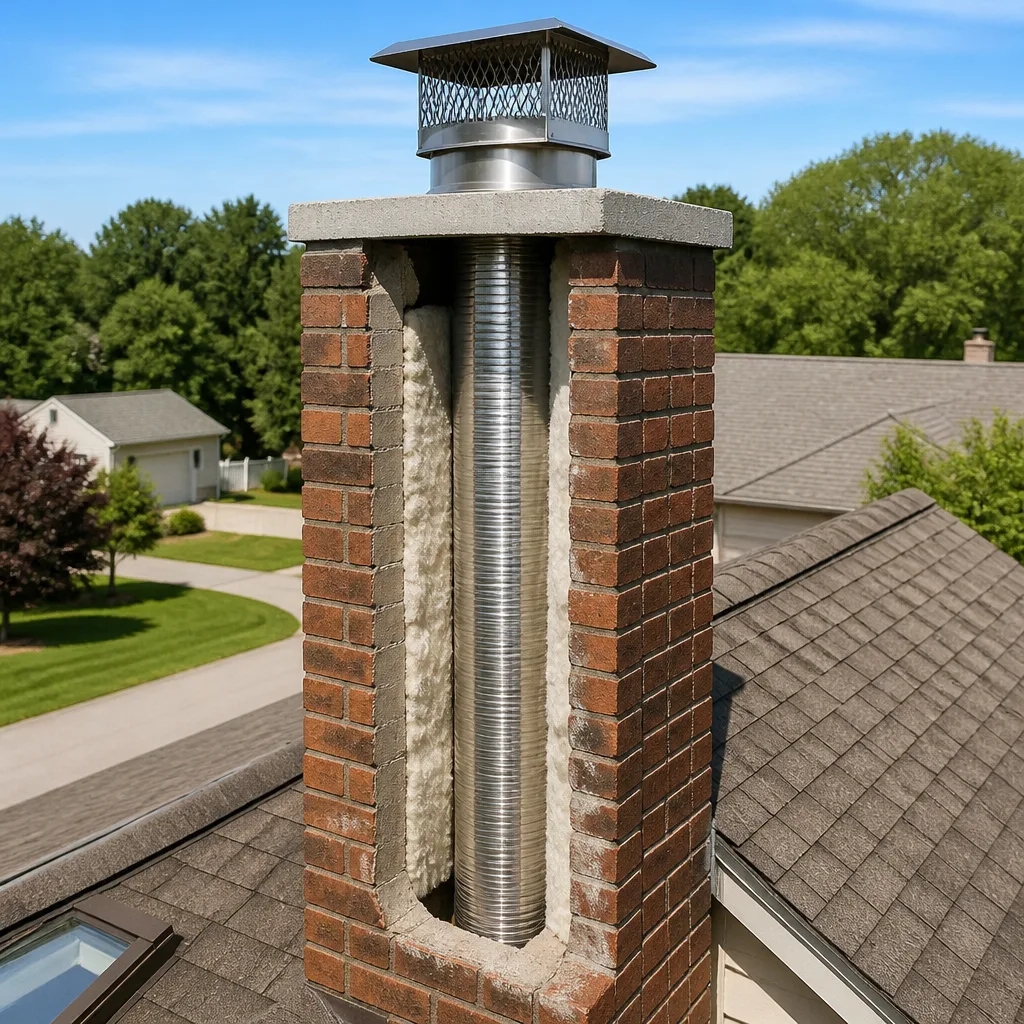 Flue relining
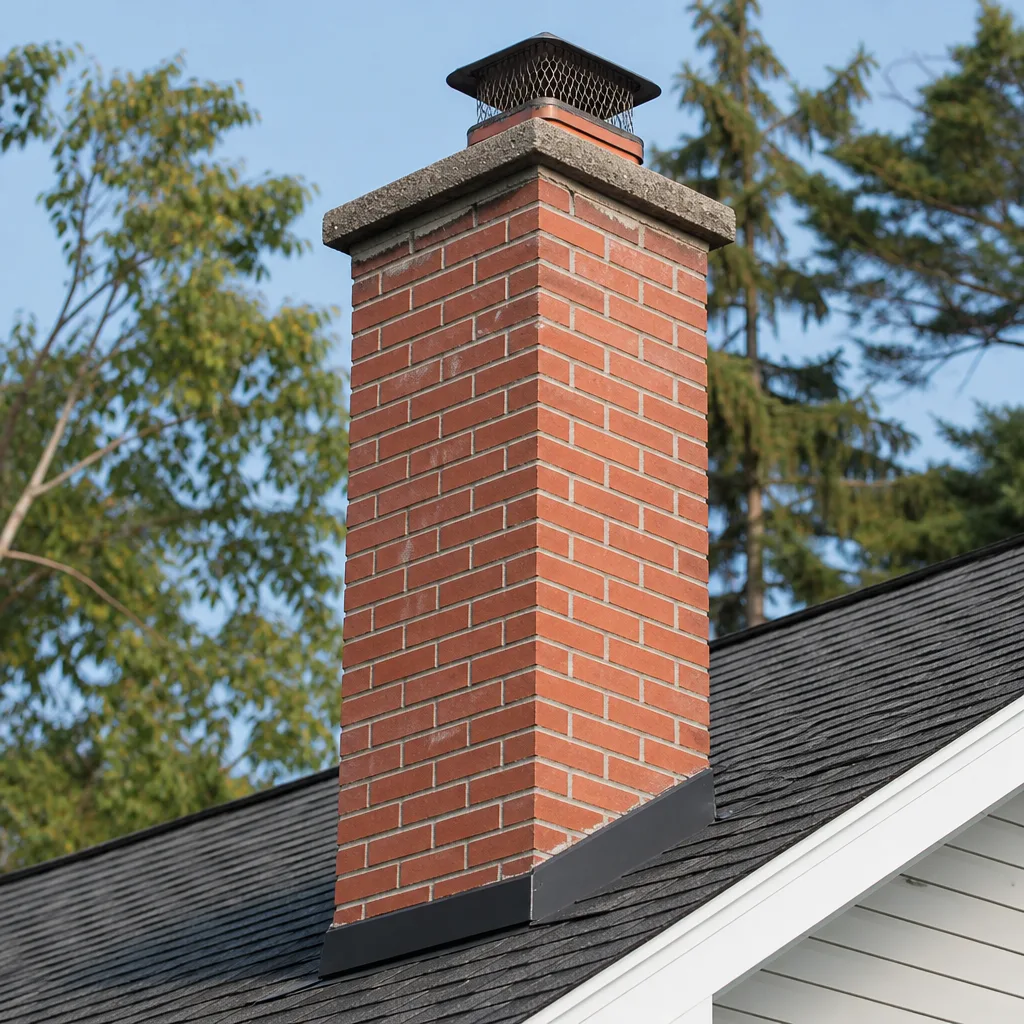 Masonry repair
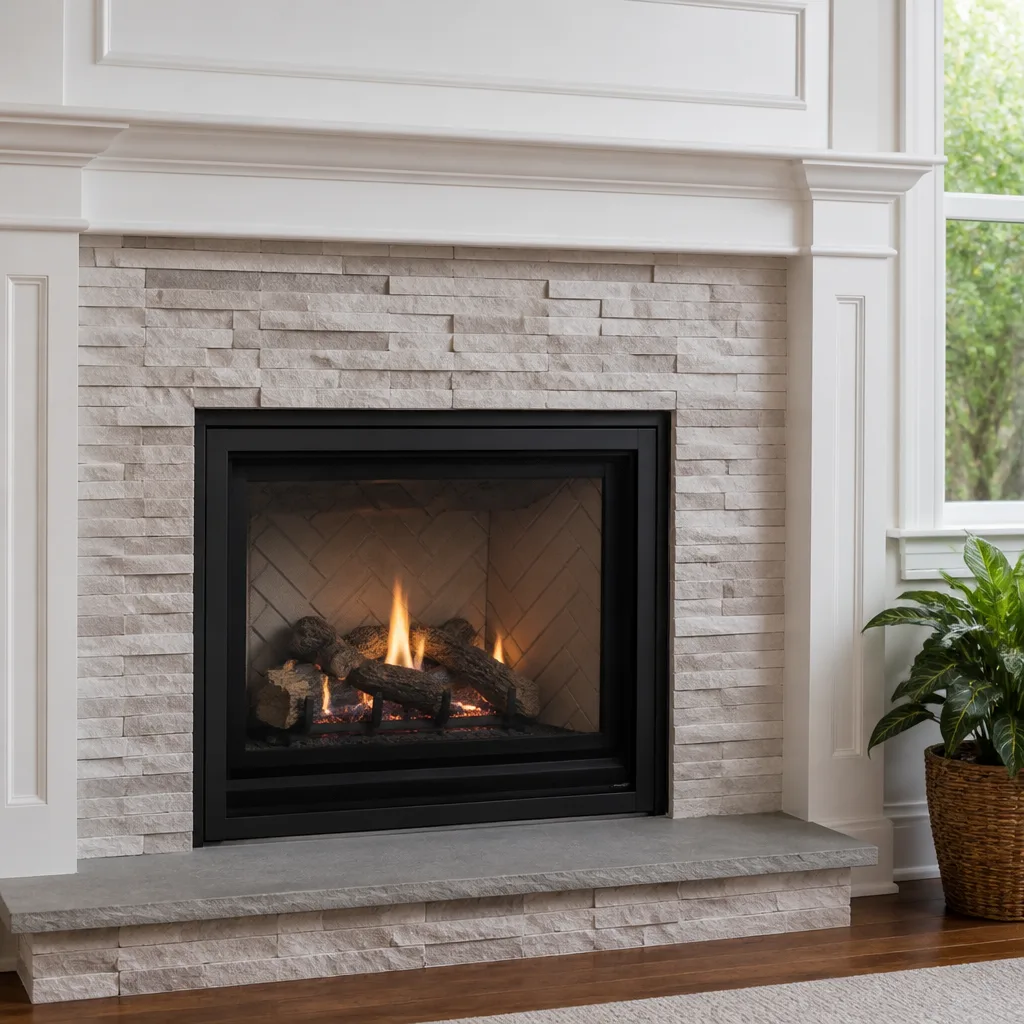 Gas fireplace service
Level 1 sweep and inspection to the NFPA 211 annual standard - flue, crown, cap, and flashing checked and photographed
Chimney sweep logs do not sweep chimneys. They loosen some creosote - which then falls where a brush and vacuum still have to collect it.
Choosing the Right Chimney Cleaning Brand: A Buyer’s Guide for San Marcos
Most chimney caps installed by sweep crews in San Marcos are galvanized steel with a coat of paint. They look fine on day one. But under Texas sun, the paint breaks down, the zinc layer oxidizes, and within three to five years you’re paying for another cap, another trip charge, another afternoon of your life. The cap you saved forty dollars on just became the most expensive one you’ve ever bought. This guide explains how to evaluate what contractors are actually putting on and inside your chimney, so you can compare quotes on quality, not just price. For The Complete Chimney Sweep Guide for San Marcos Homeowners and more guides & resources, see our blog.
Styles & brands we work with
Quick Answer
The right chimney cleaning brand in San Marcos is a contractor who uses professional-grade material brands like Olympia Chimney, DuraFlex, and Famco rather than big-box substitutes. See The Complete Guide to Chimney Cleaning in San Marcos for what else to look for. When you call for estimates, ask what specific cap, liner, and mortar brands they install. A contractor who can name their suppliers and explain why they chose them is one you can trust to clean, inspect, and repair your chimney correctly the first time.
Table of Contents
- Why Material Brands Matter More Than Service Brands
- Chimney Caps: Stainless vs. Galvanized in Texas Weather
- Liner Materials: When 316L, 304, and Aluminum Each Make Sense
- What Repair Mortar Brands Reveal About a Contractor
- Chemical Creosote Treatments: Reading the Label
- Eight Questions That Reveal a Contractor’s Material Standards
- Common Mistakes to Avoid
- When to Call a Professional
- Frequently Asked Questions
- The Bottom Line
Why Material Brands Matter More Than Service Brands
When San Marcos homeowners compare chimney companies, they usually compare logos, truck wraps, and coupon prices. Almost nobody asks what brands of materials the contractor actually installs. That’s a blind spot, and it costs real money. The difference between a professional-grade stainless steel cap from Olympia Chimney and a galvanized cap from a big-box shelf is roughly ten years of service life. The difference between a DuraFlex liner installed to manufacturer spec and an off-brand liner “that fits fine” can be the difference between a safe fireplace and a masonry fire hazard you can’t see.
Think of it this way: a chimney sweep is a material installer, not just a brush operator. The cleaning is the diagnostic visit. What gets installed afterward is where material quality determines whether you’re done for the season or done for the decade. At Oakgrove Chimney Sweep home, we stock the same trade suppliers that serious chimney contractors rely on: DuraFlex for flexible liner systems, HeatShield for masonry flue restoration, Famco for venting components, and Gelco for caps and covers. We don’t buy materials from the same aisle as a homeowner with a weekend project, because we’re not doing weekend-project work.
The reason this matters in San Marcos specifically is climate. Central Texas heat cycles are brutal on exterior metal and masonry. A chimney cap that survives a mild coastal climate will corrode faster here. Materials that hold up in Michigan winters face a different enemy in Texas: UV exposure, thermal expansion, and the occasional ice storm that follows a 70-degree afternoon. Professional trade brands are engineered for those cycles. Paint-and-zinc hardware is not.
Here’s the practical takeaway: before you hire a sweep, ask them to name one material brand they install. Not the brand on their truck. The brand that goes on your chimney. Their answer tells you more than any review or rating ever will.
Chimney Caps: Stainless vs. Galvanized in Texas Weather
Your chimney cap is the first line of defense against water, animals, and downdrafts. It’s also the cheapest component to cut corners on. Most homeowners don’t realize there are two fundamentally different categories of cap material, and the wrong one fails fast in San Marcos heat.
Galvanized steel caps are made from carbon steel dipped in zinc. They’re painted black to look like something better. The moment that paint gets scratched during installation, the zinc is exposed to oxygen and moisture. Add Texas sun baking the paint off from above, and you’ve got rust starting within the first year. We see galvanized caps in San Marcos neighborhoods all the time, usually rusted through at the corner seams, still sitting on chimneys that had a “new cap” installed four years earlier.
Stainless steel caps are a different product entirely. Professional-grade caps from manufacturers like Olympia Chimney and HY-C use stainless steel that resists corrosion throughout, not just on the surface. They don’t rely on paint. They don’t turn orange after two summers. A quality stainless cap in San Marcos should last 15 to 20 years before it needs replacement, and often longer if it’s kept clean.
How to Tell What You’re Being Quoted
- Ask for the cap manufacturer by name. If the contractor says “it’s just a standard cap” or “we use whatever the supplier has,” that’s galvanized steel, and the price should be under $100 installed. You’ll replace it within five years.
- Check the weight. A stainless cap feels noticeably heavier than a galvanized cap of the same size. That extra material is the corrosion allowance.
- Look for a finish spec: 304 stainless means the cap is corrosion-resistant for residential use in Texas. 430 stainless is magnetic and less corrosion-resistant; it’s a cheaper stainless that’s better than galvanized but not the same as 304.
- Ask about the screen mesh. A professional cap uses welded stainless mesh, not the lightweight galvanized screening that tears when a squirrel decides it wants in.
We install Gelco caps and covers specifically because Gelco makes contractor-grade chimney products for professional installers. Their caps fit properly, use stainless materials, and hold up to San Marcos weather. If another contractor hands you a price for “a chimney cap” without naming the brand, ask them to write the material spec on the quote. If they won’t, that’s an answer too.
Liner Materials: When 316L, 304, and Aluminum Each Make Sense
A chimney liner is the passageway that carries combustion gases from your firebox to the outside. If it leaks, gases can seep into wall cavities and living spaces. If it’s the wrong material for your fuel type, it won’t matter how often you sweep. This is where material selection gets genuinely important, because the right answer depends on what you burn.
Start with fuel type. Wood-burning fireplaces and stoves produce acidic creosote that eats away at aluminum. A wood-burning appliance should never have an aluminum liner, period. Gas appliances produce lower-temperature exhaust with higher moisture content. Stainless steel is still the answer for gas, but the grade matters differently than for wood.
For wood-burning systems, the conversation is usually about 304 stainless versus 316L stainless. 304 stainless is the standard for most residential wood chimney liners. It resists creosote acids well and costs less than 316L. But if you burn wood in a high-efficiency insert and live where temperatures fluctuate dramatically, which describes San Marcos winters, 316L stainless offers superior corrosion resistance. 316L contains molybdenum, which makes the steel markedly more resistant to the acidic condensates that form during low-temperature burns and frequent start-stop cycles.
Here’s the cheat sheet we use when evaluating a chimney in San Marcos:
- Wood fireplace or stove: 304 stainless at minimum, 316L if the appliance is high-efficiency or used heavily.
- Gas insert or gas logs: 304 stainless works in most cases, but the liner must be sized correctly for the appliance. Oversized liners on gas systems cause condensation and premature failure.
- Oil furnace: 316L stainless, no exceptions. Oil exhaust is highly corrosive.
- Aluminum: gas appliances only, and only with manufacturer approval. Never wood.
We install DuraFlex liner systems because DuraFlex is the industry standard for relining damaged or undersized flues. Their 316L and 304 alloys are manufactured to spec, not supply-chain approximations. When we encounter a San Marcos home with a failed liner, our Chimney Repair in San Marcos service includes a liner assessment with the specific alloy and thickness written on the quote. You shouldn’t have to guess what’s going inside your flue. The spec should be in writing.
What Repair Mortar Brands Reveal About a Contractor
Mortar is the invisible material. You’ll never see it up close unless you’re on the roof. But the type of mortar a contractor uses tells you whether they understand chimney repair or whether they’re a sweep crew that also does “patch work.”
There are two broad categories: pre-mixed mortar from a bucket and refractory-grade mortar from a professional supplier. Pre-mixed bucket mortar is fine for brick veneer on a house wall. It’s not fine inside a firebox or on a chimney crown. Firebox mortar needs to withstand sustained heat without cracking or spalling. Chimney crown mortar needs to resist water penetration while flexing slightly with thermal movement. Generic pre-mixed products fail on both counts.
Professional chimney contractors use refractory mortar, which is formulated to handle the temperatures inside a combustion chamber. The material spec matters: refractory mortar rated for 2000 degrees Fahrenheit or higher is appropriate for firebox work. Regular brick mortar, even the good stuff, breaks down under firebox heat.
Ask your contractor what mortar they use for repairs. A good answer sounds like “refractory mortar rated for firebox temperatures.” A vague answer sounds like “we use a standard chimney mix.” The difference is whether the repair lasts five years or twenty. In San Marcos, where chimney crowns face constant sun and occasional freeze-thaw cycles, crown mortar should also include a waterproofing treatment or sealant applied after the repair. If the contractor doesn’t mention crown sealing, ask about it.
Chemical Creosote Treatments: Reading the Label
Chemical creosote treatment products are a supplement to mechanical sweeping, not a replacement. They can help break down glazed creosote, but they won’t remove stage-three buildup on their own. What matters is what’s actually in the product you’re paying for.
The Chimney Safety Institute of America, or CSIA, recognizes creosote treatment products that have gone through independent testing and demonstrated effectiveness at modifying creosote. CSIA-recognized products include specific formulations that use manganese or copper compounds to catalyze the breakdown of creosote during burning. These are professional-grade treatments, not fireplace deodorants.
Here’s how to evaluate a creosote product when a contractor recommends one:
- Ask for the product name and the active ingredient. Manganese-based or copper-based formulations are professional products. If the contractor can’t name the active ingredient, it’s probably a shelf product from a hardware store.
- Check for third-party recognition. CSIA acceptance is the industry baseline. ACS, the American Chimney Sweep certification, also maintains product standards.
- Understand what it does and doesn’t do. A chemical treatment softens creosote so the next mechanical sweeping is more effective. It does not eliminate the need for sweeping. If a contractor implies otherwise, that’s a red flag.
- Ask when to apply it. Professional treatments are applied after a sweeping, when the flue is clean and the product can work on fresh creosote formation. Applying treatment on top of a dirty flue is a waste of your money.
We carry professional creosote treatments specifically because they pair with our Chimney Sweep in San Marcos service as a maintenance tool, not a miracle product. In San Marcos, where oak and mesquite are common firewoods, creosote forms quickly if the wood isn’t seasoned. A treatment product helps between scheduled sweeps. It doesn’t make the chimney self-cleaning, because nothing does.
Eight Questions That Reveal a Contractor’s Material Standards
You don’t need to become a chimney expert to evaluate a contractor. You need to ask the right questions and listen carefully to the answers. Here are eight questions that separate material-conscious professionals from price-driven crews.
- What brand of chimney cap do you install, and what material is it made from? A professional answers with a brand like Olympia, Gelco, or HY-C and a stainless steel grade. A vague answer means galvanized steel.
- Do you carry liner systems from a specific manufacturer? Look for DuraFlex or another recognized trade brand. If the answer is “we can get liners,” ask who makes them.
- What mortar do you use for firebox and crown repairs? The right answer mentions refractory mortar. The wrong answer mentions whatever is at the supply house.
- Can you write the material specs on the written estimate? A professional will do this without hesitation. A contractor who refuses is telling you the materials won’t stand up to scrutiny.
- Do you install HeatShield or another liner resurfacing system? This question tells you whether the contractor can repair aging masonry flues without full replacement. Most generalist sweeps cannot.
- What’s your process when you find damage during a sweep? The right answer: “We document it with photos, show you what we found, and give you a repair quote on the spot.” The wrong answer: “We’ll let you know if you need someone else.”
- Are your chimney caps screened for animals? In San Marcos, squirrels, raccoons, and birds all find their way into uncapped or under-capped chimneys. The right cap has proper stainless mesh.
- How do you size a liner for a gas fireplace? The right answer involves measuring the appliance’s BTU rating and venting requirements. Oversized liners cause condensation and early failure. If the contractor says “one size fits most,” walk away.
Ask these questions over the phone before you book anything. Thirty minutes of due diligence will tell you more than a dozen Google reviews. Reviews tell you whether the last customer liked the experience. These questions tell you whether the work itself will hold up.
Dryer Vent Cleaning: A Related Safety Consideration
While we’re on the subject of combustion systems, let’s talk about the one most San Marcos households ignore entirely. Your dryer vent is a combustion pathway too. Lint is combustible, which means it burns. Every year, thousands of home fires start because someone’s dryer vent was never cleaned after years of use. A firebox and flue demand respect, but so does a four-inch vent duct packed with lint behind the wall.
Our Dryer Vent Cleaning in San Marcos service exists because the same principles apply to both systems: airflow, heat, and combustible material accumulating in a confined space. The difference is that chimneys get at least some attention from homeowners, and dryer vents typically get none. If your dryer takes longer than 45 minutes to dry a normal load, or if the laundry room gets warmer than it used to, or if the exterior vent flap doesn’t open during a cycle, the vent needs cleaning. It’s a fire-safety service, not an upsell. That’s how we treat it.
Common Mistakes to Avoid
- Choosing exclusively on price. A $79 sweep-and-inspect advertised online is a loss leader designed to get a technician inside your home, where the real revenue happens through upsells. The sweep may be fine. The recommendations that follow may not be. Compare material specs alongside labor estimates.
- Not asking what cap material is being installed. The single most common avoidable chimney problem we see in San Marcos is a galvanized cap rusted through, dumping water into the flue. The homeowner paid for a cap four years ago and got paint over zinc. Ask for the brand and the alloy.
- Accepting verbal material promises without written specs. “It’s stainless” has no meaning. 304 stainless is different from 430 stainless, and both are different from a galvanized cap with a stainless-looking paint job. Get it written on the estimate.
- Assuming all creosote treatments are the same. They’re not. CSIA-recognized formulations have demonstrated effectiveness. Shelf products may do nothing but change the color of the creosote. Ask for the product name and active ingredient.
- Skipping dryer vent cleaning because the chimney “seems fine.” The systems are separate, and both need regular attention. Lint fires don’t announce themselves in advance.
- Hiring a general handyman for chimney repair. Chimney work involves structural materials, high-temperature environments, and specific building code requirements. A generalist who can patch drywall is not the right person to repoint a firebox or seal a crown.
- Delaying a liner inspection after buying an older home. San Marcos has a good supply of masonry homes built in the 1970s and 1980s, and many of those original clay tile liners are deteriorated or improperly sized for the appliances now venting into them. An inspection costs less than the repair you’ll eventually need if you ignore it.
When to Call a Professional
Call a professional if you notice any of the following: a persistent smoke smell in the house after the fireplace is used, visible rust on the chimney cap or top, crumbling mortar in the firebox, efflorescence (white staining) on the exterior brick, water in the firebox after rain, or a dryer that takes twice as long to dry clothes as it used to. These are not aesthetic issues. Each one points to a functional problem in a combustion pathway, and combustion pathways should be evaluated by someone who understands how they work. Oakgrove Chimney Sweep offers free estimates in San Marcos. Call (866) 472-2513 and we’ll take a look.
If you’re not sure whether your chimney needs attention, call anyway. Our Oakgrove Chimney Sweep home page explains what a full inspection covers, and we’re happy to talk through what you’re seeing before you commit to anything.
Frequently Asked Questions
A standard chimney sweep and inspection in San Marcos typically runs between $180 and $300 depending on the chimney’s condition, the type of fireplace, and whether any animals or significant creosote buildup are present. Repairs are quoted separately after the inspection. Call (866) 472-2513 for a free estimate tailored to your fireplace.
Choose a stainless steel cap from a professional trade brand like Olympia Chimney, Gelco, or HY-C. Avoid galvanized steel caps with painted finishes, which corrode within three to five years under San Marcos heat and UV exposure. A 304 stainless cap should last 15 to 20 years.
Yes, if your existing liner is damaged, improperly sized, or made of aluminum where stainless is required. Gas fireplaces need correctly sized stainless liners to prevent condensation and carbon monoxide risk. Aluminum liners are only suitable for specific gas appliances with manufacturer approval and never for wood-burning systems.
The National Fire Protection Association recommends an annual chimney inspection, with sweeping as needed based on creosote accumulation. If you burn oak or mesquite from the Hill Country area, plan on sweeping after every cord and a half or so. That usually works out to an annual or near-annual sweep for regular users.
Creosote builds up along the flue walls, and creosote is combustible. A hot, fast-burning fire can ignite it, causing a chimney fire that sends flames up through the flue and potentially into the attic or roof structure. Even without a fire, creosote is acidic and accelerates liner deterioration. The chimney becomes less efficient, and the repair gets more expensive every year you wait.
Yes. We repair what we find. Our Chimney Repair in San Marcos service includes liner replacement, firebox repointing, crown sealing, cap installation, and HeatShield flue resurfacing. Most repairs can be completed in a follow-up visit once the parts are on hand, and you’ll see documentation of every issue before any repair is performed.
The Bottom Line
The right chimney cleaning brand in San Marcos is the one that can tell you what materials it installs and why those materials are correct for your fuel type and climate. Cap alloys, liner grades, refractory mortar, and recognized creosote treatments are the invisible factors that determine whether you’re doing maintenance once a decade or paying for the same repair every few years. Ask your contractor to name their suppliers. Ask for specs in writing. And if the answers are vague, keep looking. Oakgrove Chimney Sweep serves San Marcos with professional-grade materials, full-scope chimney repair, and dryer vent cleaning. Visit our blog for more guides & resources. Call (866) 472-2513 for a free estimate.
Written by the team at Oakgrove Chimney Sweep, serving San Marcos since 2017.
See the difference
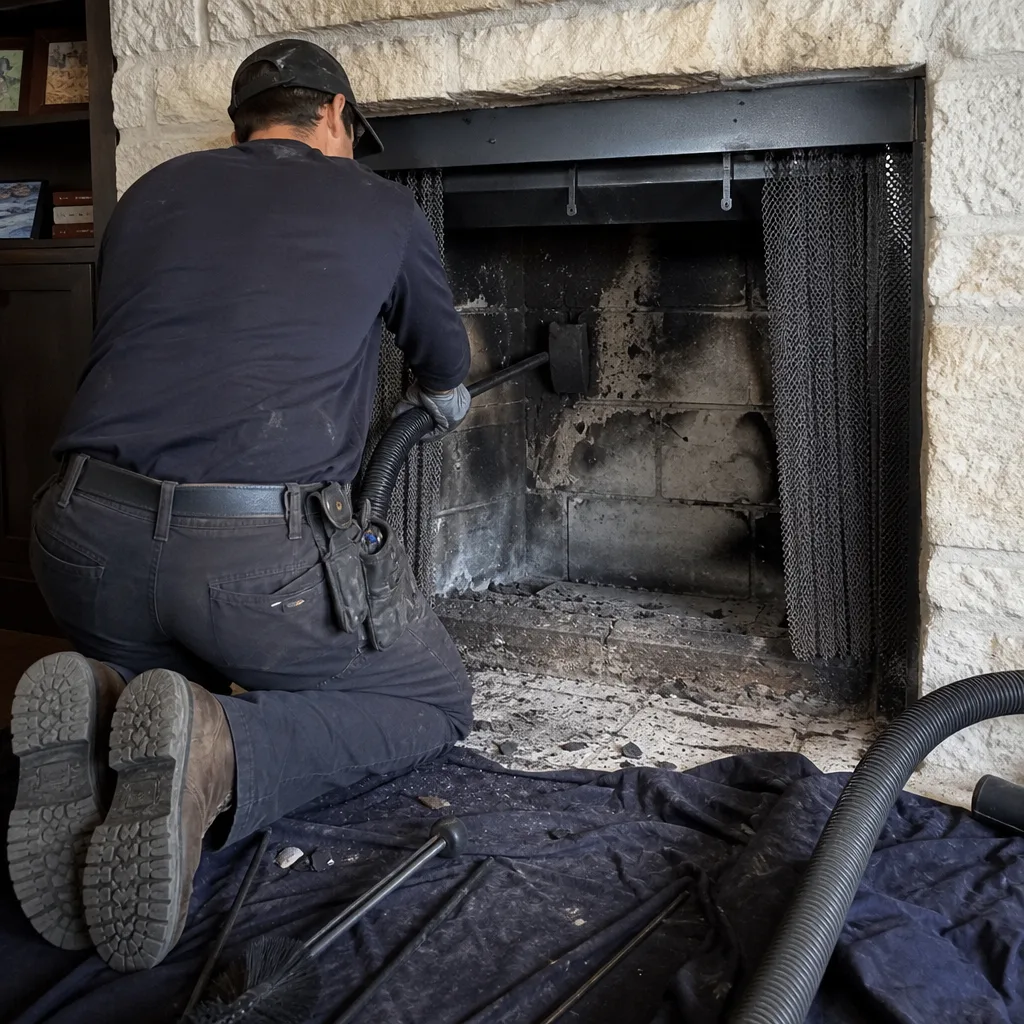 Before
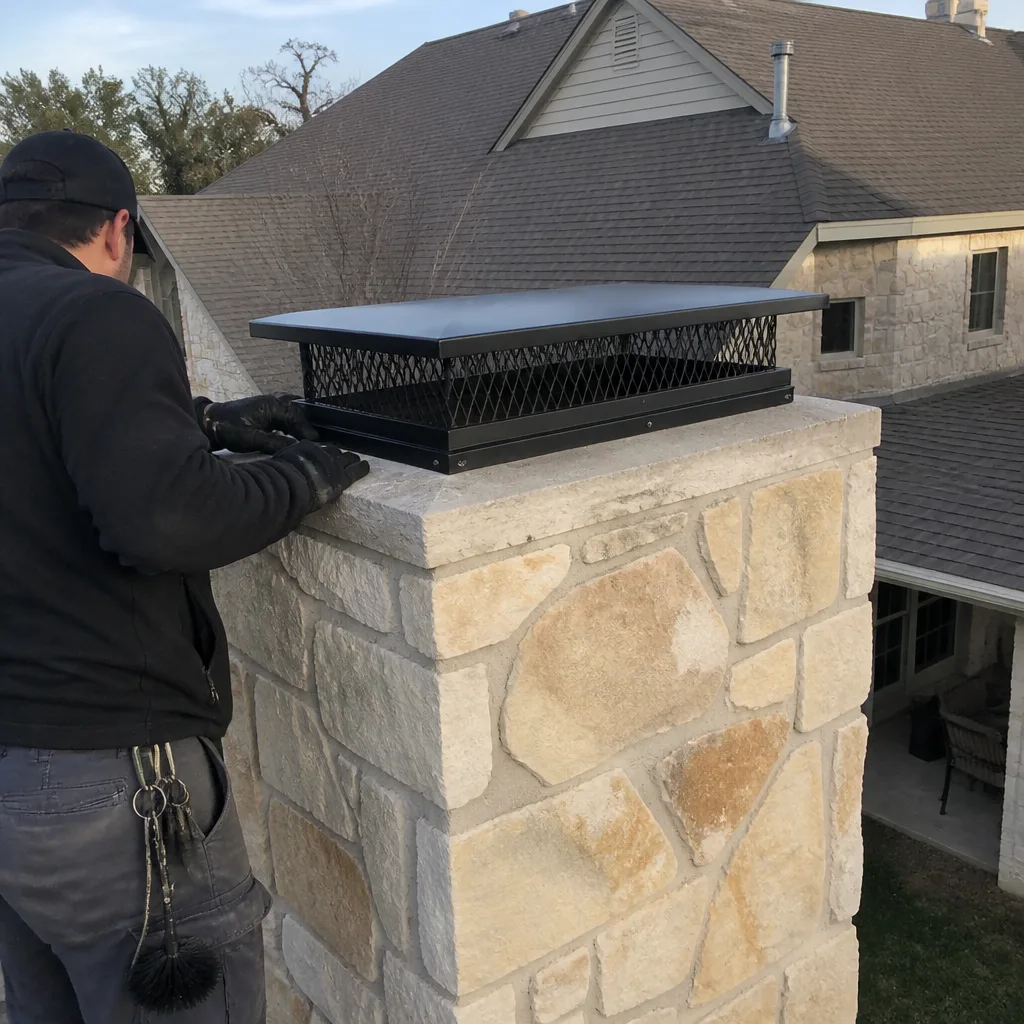 After
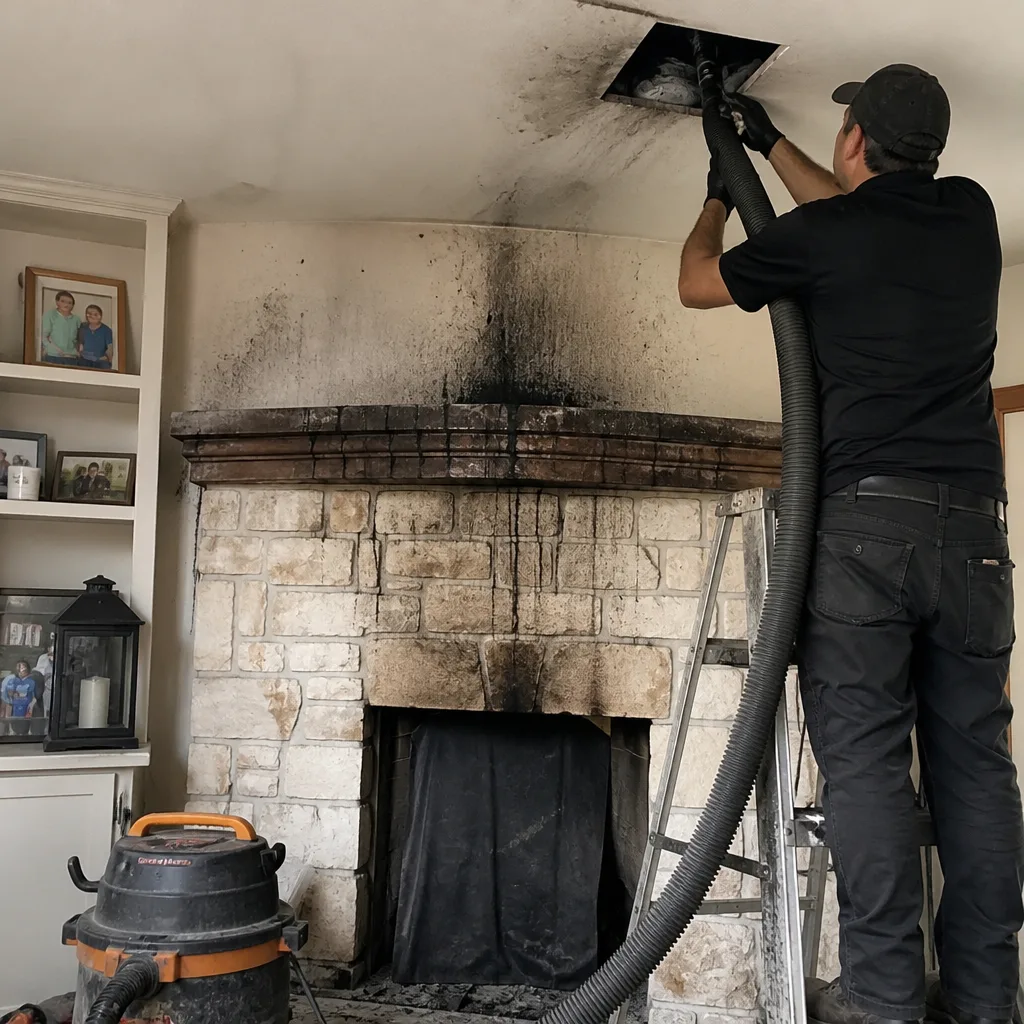 Before
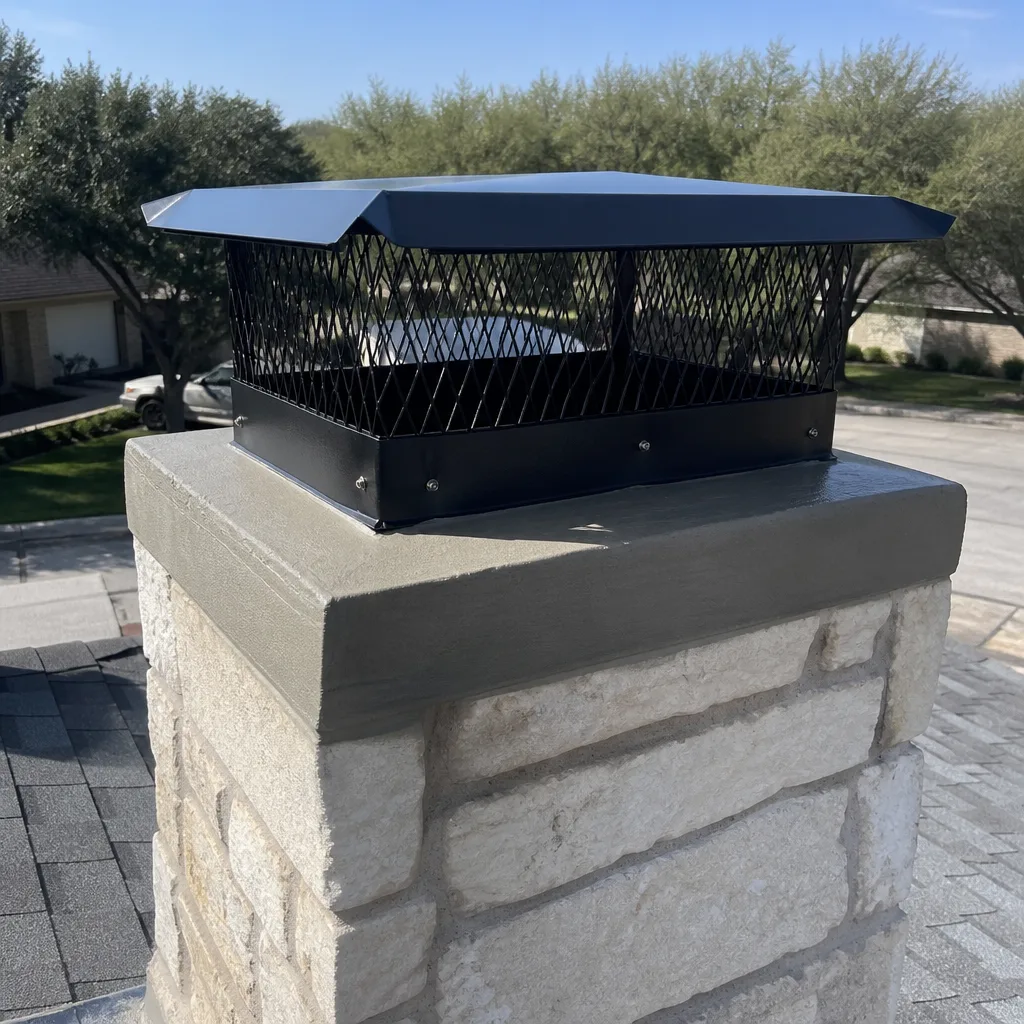 After
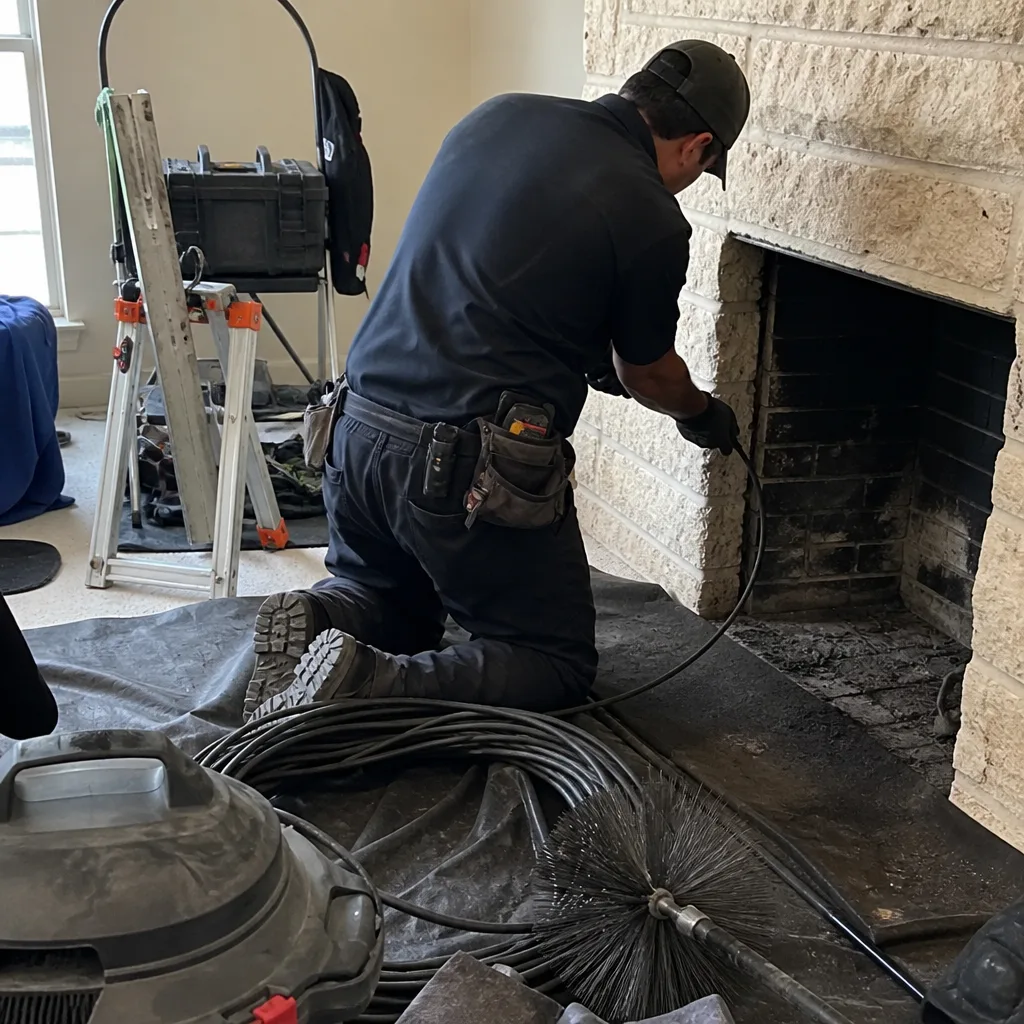 Before
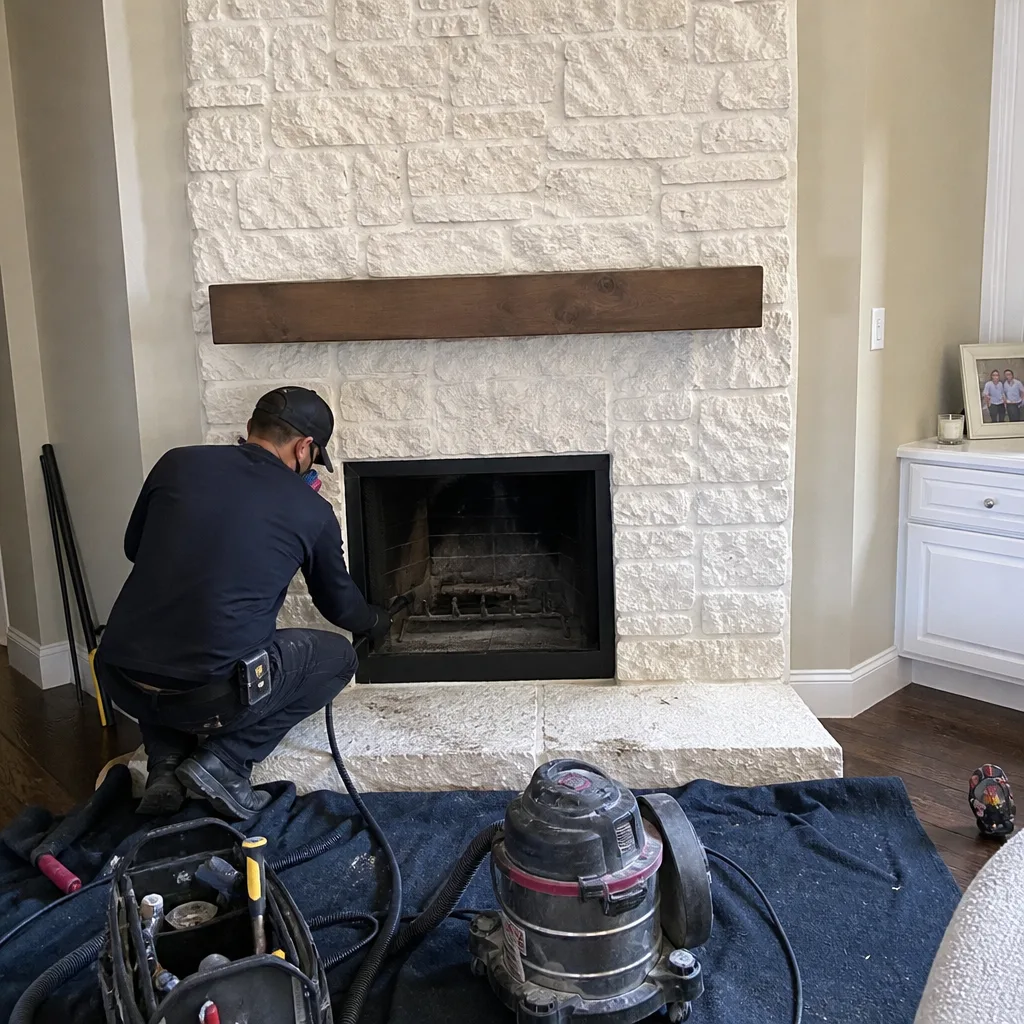 After