Last updated October 30, 2026
 Sweep & inspection
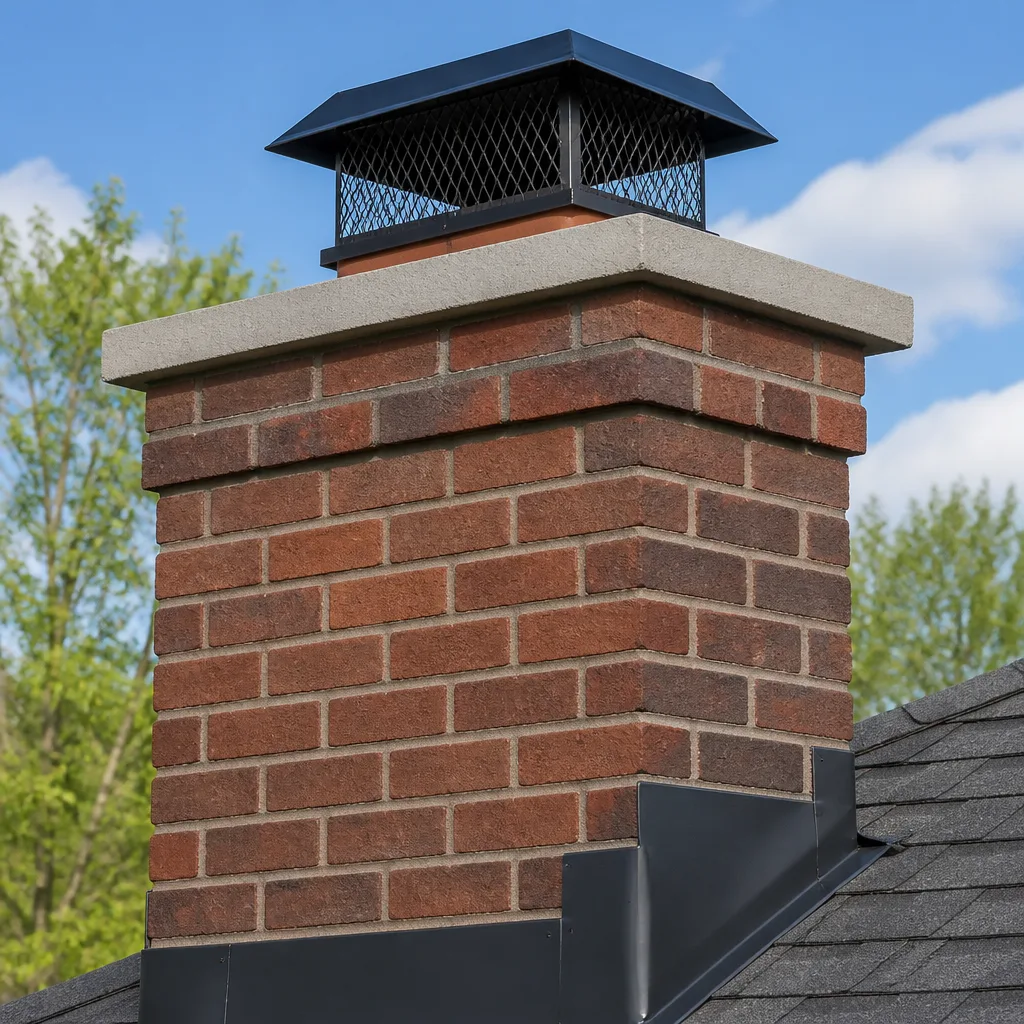 Caps & crowns
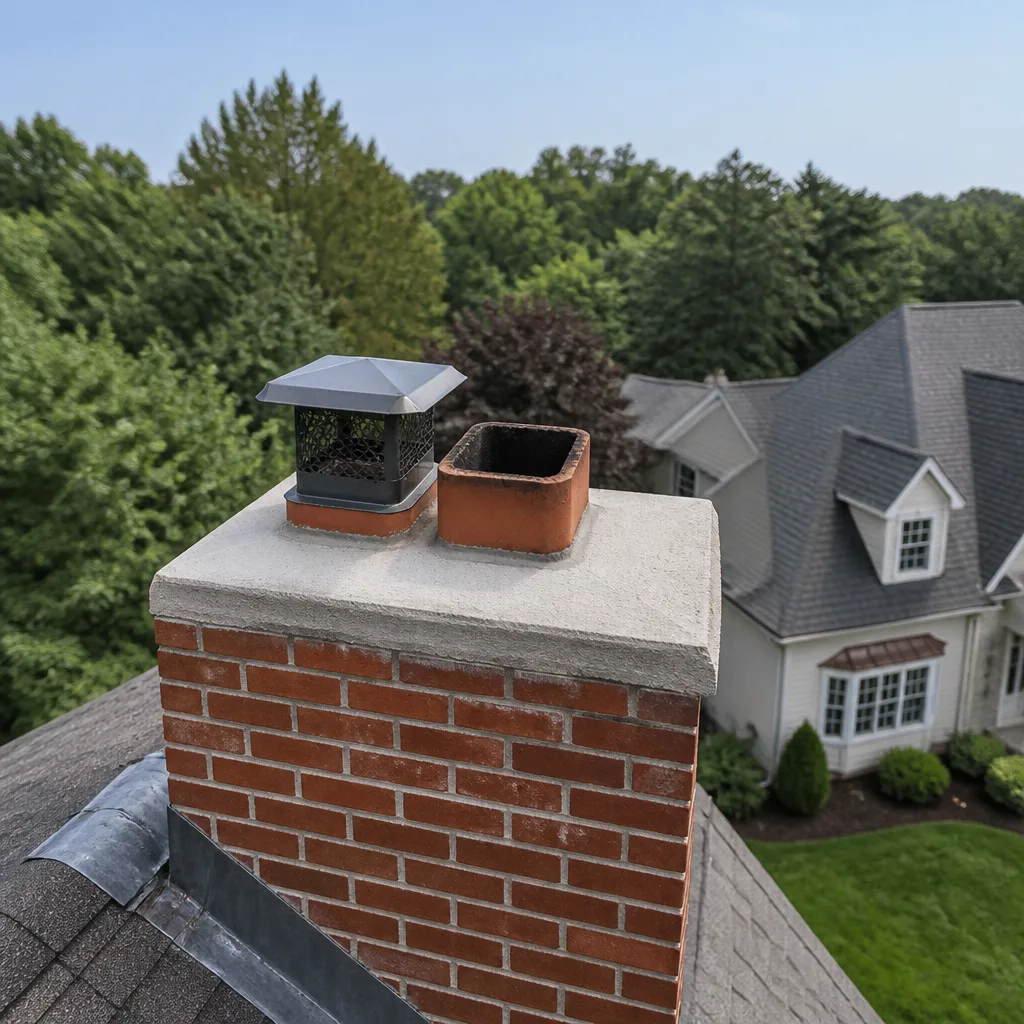
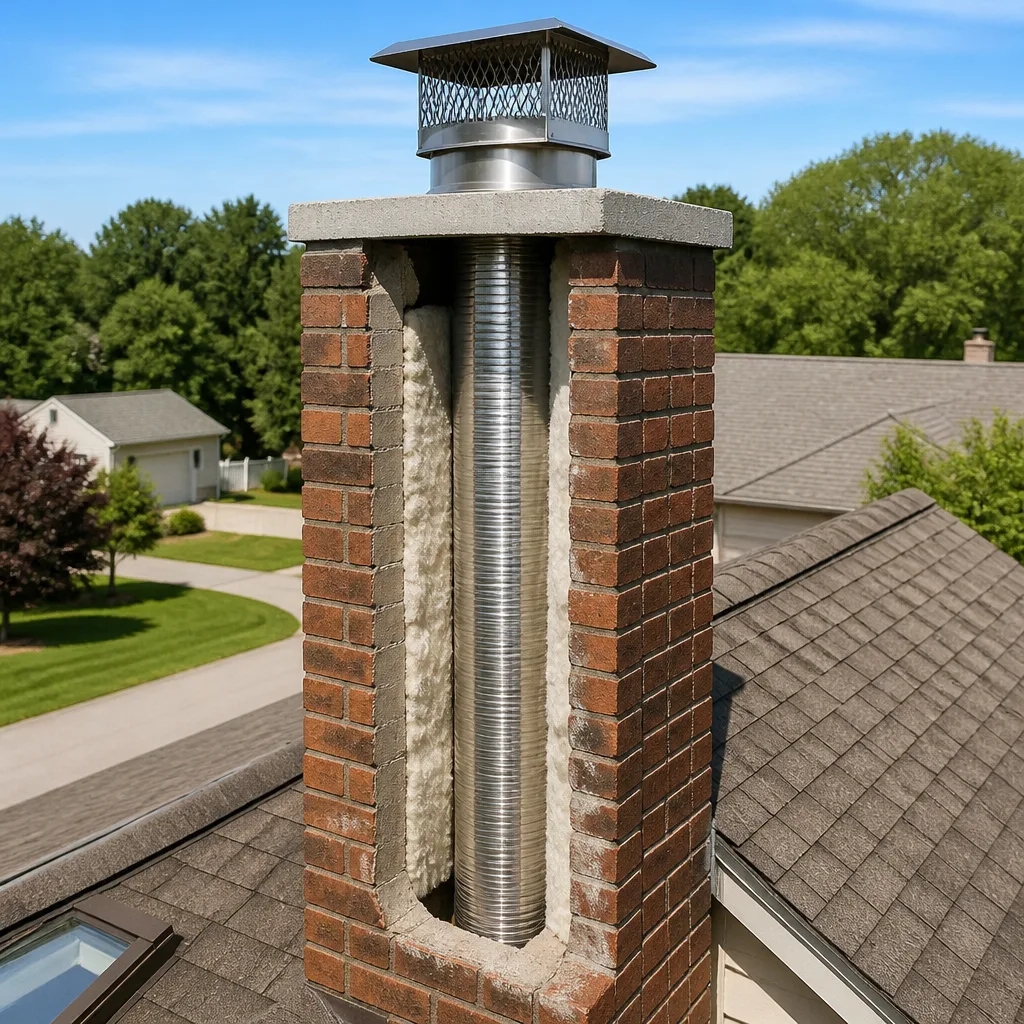 Flue relining
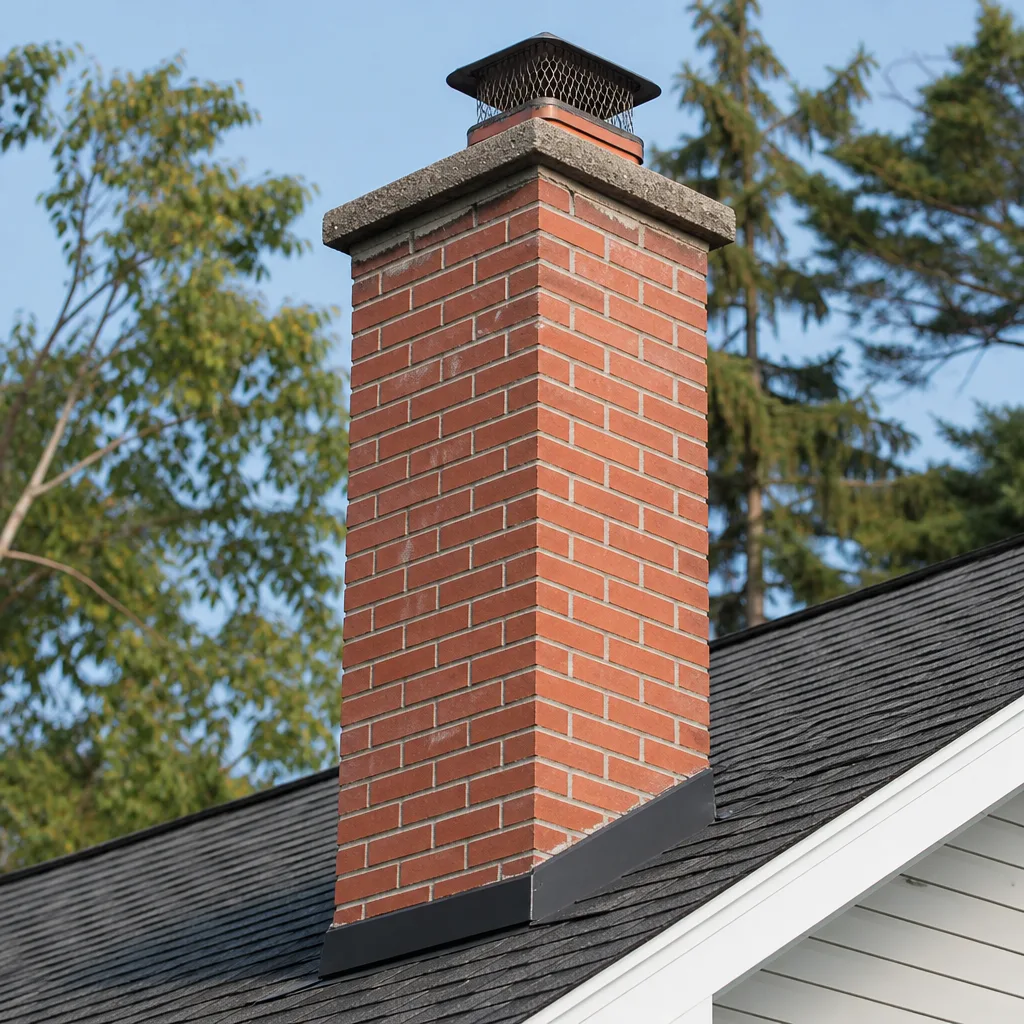 Masonry repair
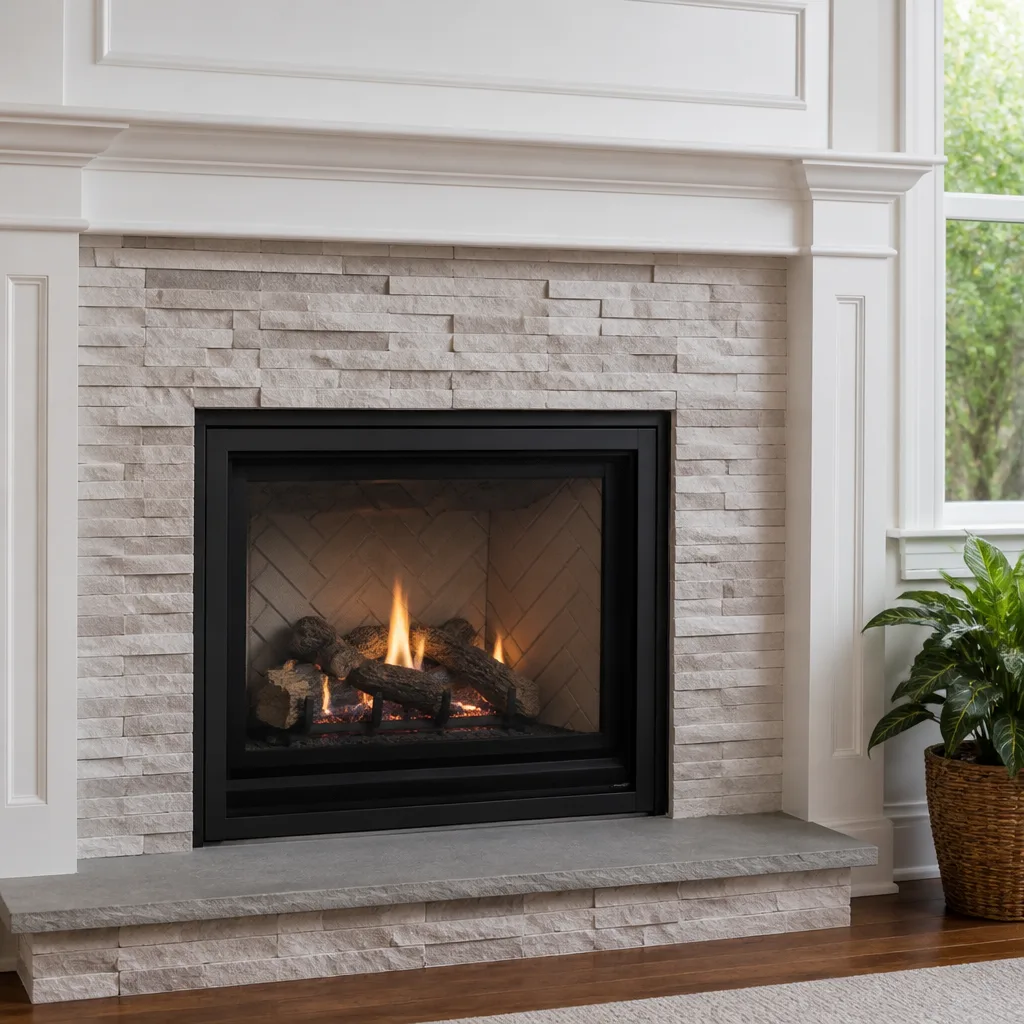 Gas fireplace service
Level 1 sweep and inspection to the NFPA 211 annual standard - flue, crown, cap, and flashing checked and photographed
Chimney sweep logs do not sweep chimneys. They loosen some creosote - which then falls where a brush and vacuum still have to collect it.
How to Hire a Chimney Cleaning Contractor in San Marcos: A Step-by-Step Guide
Here’s a truth most San Marcos homeowners don’t hear until something goes wrong: Texas has no state licensing requirement for chimney sweeps. Anyone with a ladder, a round wire brush, and a shop vacuum can legally call themselves a chimney cleaning contractor, knock on your door, hand you a coupon, and start scraping creosote out of your flue. What they leave behind, or fail to notice while they’re up there, becomes your problem, and it’s often hidden behind a wall or inside a masonry structure you’ll never climb into yourself. This guide lays out the same screening process we use when homeowners ask us how to tell a legitimate San Marcos chimney specialist from a generalist with a business card, so you can hire someone who actually understands the combustion system running through the center of your house.
See also: Chimney Sweep in San Marcos for a full breakdown of what a proper sweep includes.
Quick Answer
Hiring a chimney cleaning contractor in San Marcos comes down to verifying three things: certifications from organizations that actually exist and hold technicians accountable (CSIA is the industry standard), proof of insurance that covers interior smoke and structural damage rather than just general liability, and a written scope of work that names materials, inspection level, and warranty terms. Interview at least two contractors, ask the diagnostic questions in this guide, and walk away from anyone who quotes over the phone without looking at the chimney or pressures you into replacement work before showing you photographic evidence. For more guides & resources, see our other articles.
Styles & brands we work with
Table of Contents
- Why Chimney Certification Matters in Texas (and What CSIA Actually Means)
- The Diagnostic Interview: Questions That Separate Technicians from Order-Takers
- Insurance Verification: What Your Policy Actually Covers
- The Anatomy of a Legitimate Bid in San Marcos
- Red Flags Specific to the San Marcos Market
- The Step-by-Step Hiring Process
- What a Proper Sweep Should Include
- Common Mistakes to Avoid
Why Chimney Certification Matters in Texas (and What CSIA Actually Means)
Texas does not license chimney sweeps. The state requires no exam, no apprenticeship, no continuing education, and no minimum equipment standard. A handyman who primarily installs sheetrock and rescreens porches can add “chimney cleaning” to his service list tomorrow and be on your roof by Friday. That puts the burden of credential verification directly on you, the San Marcos homeowner, and most people don’t know what to ask for.
The credential that actually matters in this trade is certification from the Chimney Safety Institute of America (CSIA). A CSIA-certified sweep has passed an exam covering fire codes, chimney physics, inspection protocols, and the mechanical function of both masonry and factory-built systems. They’re also required to pursue continuing education and agree to a code of ethics. Contractors who invest in CSIA certification send a signal about how they see their own work: this is a trade with real standards, not a side gig. Ask anyone you’re considering: “Are you CSIA-certified, and can I verify that number?” A legitimate contractor will give you the certification number without hesitation. A generalist will dodge the question or say something vague about “years of experience.”
There’s a second tier of what we call material-specific certification, and it matters more than most homeowners realize. Oakgrove Chimney Sweep, for example, is certified to apply HeatShield, a professional liner-resurfacing system used to restore aging masonry flues. That’s not a hardware-store product. It’s a trade-grade material you’ll find in the inventory of serious chimney contractors, not in the back of a pickup truck. When a sweep can name the specific liner repair systems they’re trained on, whether that’s HeatShield, or the DuraFlex flexible liner systems used for relining damaged flues, you’re talking to someone who can diagnose as well as clean. That distinction is the entire point of careful hiring: the person who cleans should also be capable of finding and fixing structural problems, because the cleaning is when those problems surface.
The Diagnostic Interview: Questions That Separate Technicians from Order-Takers
Most homeowners interview a chimney sweep the way they’d interview a house cleaner: how much, how long, when can you come. Those are fine questions, but they skip the entire diagnostic layer, and the diagnostic layer is where real chimney problems live. A technician who thinks like an inspector will answer the questions below with specificity and without defensiveness. A transactional sweep crew will answer with prices and vague reassurances.
Start with these five questions:
- “What type of liner do I have, and why does that matter for the cleaning?” This separates people who look at a chimney from people who understand a chimney. A good contractor will explain whether you have a clay tile liner, a stainless steel liner, or an unlined masonry flue, and will explain how that affects the tools and techniques they use. If they say “all chimneys clean the same,” hire someone else.
- “What happens if you find damage during the sweep?” The answer you want includes a diagnostic process: camera inspection, photo documentation, a written report, and options ranging from monitoring to repair to relining. The answer you don’t want is, “we’ll handle it,” which usually means an upsell conversation with no evidence to back it.
- “What does your inspection cover?” A real inspection covers the flue, the crown, the flashing, the damper, the firebox, the clearance to combustibles, and the external masonry. There’s a standard system for this, called a Level 1 inspection, which every professional sweep should include with a standard cleaning. If the contractor can’t name the levels, be wary.
- “What materials do you stock, and where do you source them?” This is where generalists fall apart. A legitimate chimney contractor will name suppliers like Gelco, Olympia Chimney, Famco, or Copperfield, because those are the professional trade lines that supply caps, covers, venting components, and hearth products. A general handyman buys whatever the big-box store has in aisle 14. The material sourcing question tells you whether the person is embedded in the chimney trade or just dabbling in it.
- “Can you show me photos from your last sweep?” Every serious chimney contractor in San Marcos should be running a camera before and after every cleaning. We don’t consider a sweep complete without photographic documentation, because the homeowner deserves evidence of what was found and what was addressed. A contractor who never photographs flues either isn’t inspecting them or doesn’t want you to see what they missed.
The point here isn’t to quiz people for sport. It’s to establish whether the person standing in your living room is a combustion-systems technician or an order-taker with a brush. Your flue is a combustion system. The person evaluating it should be able to explain how it works, what’s wrong with it, and how to fix it in plain English.
Insurance Verification: What Your Policy Actually Covers
Ask any chimney contractor if they’re insured and every single one will say yes. That’s the same as asking a San Marcos homeowner if they maintain their AC. The hard version of the question, the one you should actually ask, is this: “Will you provide a certificate of insurance naming me as an additional insured, and does your policy cover interior smoke damage and structural work, or just general liability?”
Here’s the distinction most people miss. General liability insurance covers bodily injury and property damage that happens during the job, and most handymen carry a basic policy that costs a few hundred dollars a year. It does not automatically cover the specific risks of chimney work: an interior smoke event that fills your house with soot, a structural repair that fails and lets water into your ceiling, a liner installation that’s improperly sized and forces you to redo the entire job. Policies that cover those risks are more expensive, which is why generalists don’t carry them.
Call the insurance company and verify the policy is active. It takes five minutes, and it’s the difference between a contractor who is actually covered and one who handed you a laminated copy of an expired certificate. If a contractor hesitates or tells you the certificate “isn’t available right now,” you’ve learned what you need to know.
The Anatomy of a Legitimate Bid in San Marcos
A real bid from a San Marcos chimney contractor should read like a scope of work, not a text message. It doesn’t need to be a 12-page engineering document, but it needs to include specific line items that tell you what you’re actually purchasing. Here’s what a legitimate written bid includes:
- Inspection level. A standard cleaning includes a Level 1 inspection. If your chimney has experienced a chimney fire, an earthquake, or a structural change (like a roof replacement), you may need a Level 2, which includes interior camera work and access to the attic, crawlspace, or the exterior of the upper flue. The bid should specify which level is included and whether it costs extra.
- Materials by name. If the contractor proposes a new cap, the bid should say what kind, from which manufacturer, and why. We stock Gelco chimney caps in our service vehicles, and we specify them by name on bids because a homeowner should know what’s going on their roof. If a bid says only “chimney cap,” you don’t know whether you’re getting a professional-grade product or a sheet-metal cone.
- Equipment grade. A proper sweep uses rotary cleaning systems with flexible rods that reach every surface of the flue, not a hand brush on a stiff wire. The bid doesn’t need to detail the equipment, but the contractor should be able to tell you how they clean and why they use the tools they use. If they talk about “brushes and a vacuum” with no detail, they’re telling you something about their setup.
- Warranty terms. What happens if something fails six months after the repair? A legitimate contractor stands behind structural work for a defined period. The warranty should be in writing, not an assurance.
- Post-visit documentation. Every professional sweep in San Marcos should include a written report and photos. We provide a written condition report after every cleaning, because the documentation is part of the service, not an add-on. If the bid doesn’t mention it, ask.
Red Flags Specific to the San Marcos Market
San Marcos is a growing city with a lot of new construction and a lot of older homes mixed together, which means the chimney market here has attracted a particular type of operator: the lowball bid with high-pressure upsells. Here’s what that looks like in practice.
The mailer arrives with a deeply discounted sweep price, often under $50. That price gets the crew in the door. Once they’re on the roof, the story changes: the flue is “dangerously” clogged, the liner is “failing,” the cap is “rusted through,” and suddenly you’re being quoted $3,000 for work you can’t verify. When you push back, they can’t provide photos, can’t name the materials they want to install, and can’t explain the code rationale for the repair. The lowball sweep was never about cleaning your chimney. It was about monetizing your fear, and that model is common in cities like San Marcos where the market is hot and homeowners are unfamiliar with chimney science.
Two other local red flags to watch for:
- No written scope of work. If a contractor insists on doing the job without putting anything in writing, that’s not convenience. It’s a way to avoid being accountable for what they said and what they found. Every legitimate contractor writes things down.
- No post-visit documentation. A sweep that produces no photos and no written condition report is a sweep you can’t verify. We’ve seen homeowners in San Marcos who paid for cleaning and received a one-line receipt: “Chimney clean. Thanks.” What was actually done is anyone’s guess.
None of this is hypothetical. We’ve been called into San Marcos homes after lowball sweepers have come and gone, and we routinely find flues that were never actually cleaned, or worse, flues that were damaged worse by improper equipment. The work we’re called to fix was usually performed by someone who shouldn’t have been on the roof in the first place.
The Step-by-Step Hiring Process
If you’re hiring a chimney cleaning contractor in San Marcos and you want to get it right the first time, here’s the full process in order. It takes an afternoon, and it saves you years of recurring problems.
- Build a short list of two or three contractors. Start with candidates who list certification and full-service scope (sweep, repair, and optionally dryer vent) on their website or in their advertising. Narrow it based on whether they respond clearly to direct questions before you’ve even hired them.
- Call and ask the diagnostic interview questions. Don’t optimize for the fastest answer or the lowest quote. Optimize for the contractor who explains things clearly, with specific materials and processes named, without talking down to you. Pay attention to whether they ask about your chimney’s age, fuel type, and history before quoting anything.
- Request a certificate of insurance. Verify it by calling the insurer. Confirm the coverage includes interior smoke damage and structural work. A contractor who is serious about chimney work will produce this without commentary.
- Get the bid in writing. Ask for the scope of work, inspection level, materials by name, and warranty terms. Review it carefully. If something is vague, call and ask for specifics before scheduling.
- Schedule the sweep during daylight hours. Chimney work involves roof access, and good light matters for the visual inspection. We also prefer dry conditions, because a wet roof is an unnecessary risk and wet mortar tells a different story than dry mortar.
- Ask for photos and a written report when the job is done. If the contractor can’t produce documentation, you’ve learned something important for next time.
The unhurried version of this process is the one that works. The people who rush it are the ones who end up with a chimney that’s still full of creosote and a receipt that says otherwise.
What a Proper Sweep Should Include
Once you’ve hired someone, you should know what good work looks like from the outside. A professional chimney sweep in San Marcos includes more than the brushing of the flue. Here’s what a defensible, complete sweep covers:
- Pre-clean camera inspection. The flue is inspected with a camera before any cleaning begins. This tells the technician what’s in there: creosote type, obstructions, animal nests, cracked tiles, or liner separation. Cleaning blind is how flue damage gets missed.
- Rotary cleaning of the full flue length. A rotary system with flexible rods and the appropriate head for the liner type removes creosote and soot from top to bottom. Hand brushes on stiff wire can’t conform to the flue and leave buildup in the corners where creosote ignites most often.
- Smoke chamber and damper cleaning. These areas collect debris and creosote even when the flue itself looks okay. A technician who only brushes the flue and ignores the smoke chamber is leaving a firebox-adjacent fuel source in place.
- Firebox inspection and cleaning. The firebox gets the same visual attention as the flue, with a focus on cracked brick, failed mortar joints, and clearance issues.
- Exterior inspection of the crown, cap, and flashing. The top of the chimney is where water intrusion starts, and water intrusion is the leading cause of chimney deterioration in San Marcos’s climate. Flashings get checked, the crown gets checked, and the cap gets checked for proper function.
- Post-clean camera documentation. A final camera pass confirms the flue is actually clean. This is the evidence trail that separates a legitimate sweep from a story.
- Written condition report. The technician writes up what was found, what was done, and what the follow-up items are, if any. Recommendations should include photos and a clear severity level. Nothing should be recommended as urgent without evidence you can see yourself.
If you’re looking for a team that does full-scope work in the San Marcos area, Oakgrove Chimney Sweep home has details on our standards, including our material sourcing and inspection documentation process.
Common Mistakes to Avoid
- Hiring based on the lowest coupon price. The lowball sweep is the most common entry point for upsell scams in San Marcos. The price you pay for the “cleaning” is not the price you pay for the visit.
- Skipping the insurance verification. “We’re insured” is not insurance verification. Call the insurer, confirm the policy, and confirm the coverage type.
- Accepting vague repair recommendations without evidence. You should never agree to expensive structural work like liner replacement without seeing camera footage or photos that demonstrate the problem. If the contractor can’t show you the damage, get a second opinion. A camera inspection is part of legitimate diagnosis, not an optional extra.
- Assuming a general contractor license covers chimney work. Texas has no chimney-specific license requirement, and a general contractor’s license does not demonstrate chimney competency. Look for CSIA certification and trade-specific material certifications.
- Not asking about the liner. Your liner is the single most important safety component of your chimney. A contractor who can’t tell you what kind you have and what condition it’s in is not doing the job you’re paying for.
- Scheduling without a written scope of work. Verbal agreements evaporate when a problem arises. Get it in writing or don’t schedule.
- Ignoring the chimney because you don’t use the fireplace much. An unused chimney still collects moisture, animal nests, and debris, and a neglected chimney attached to a home is a liability whether or not you’re burning. San Marcos humidity accelerates mortar deterioration even without fires.
See the difference
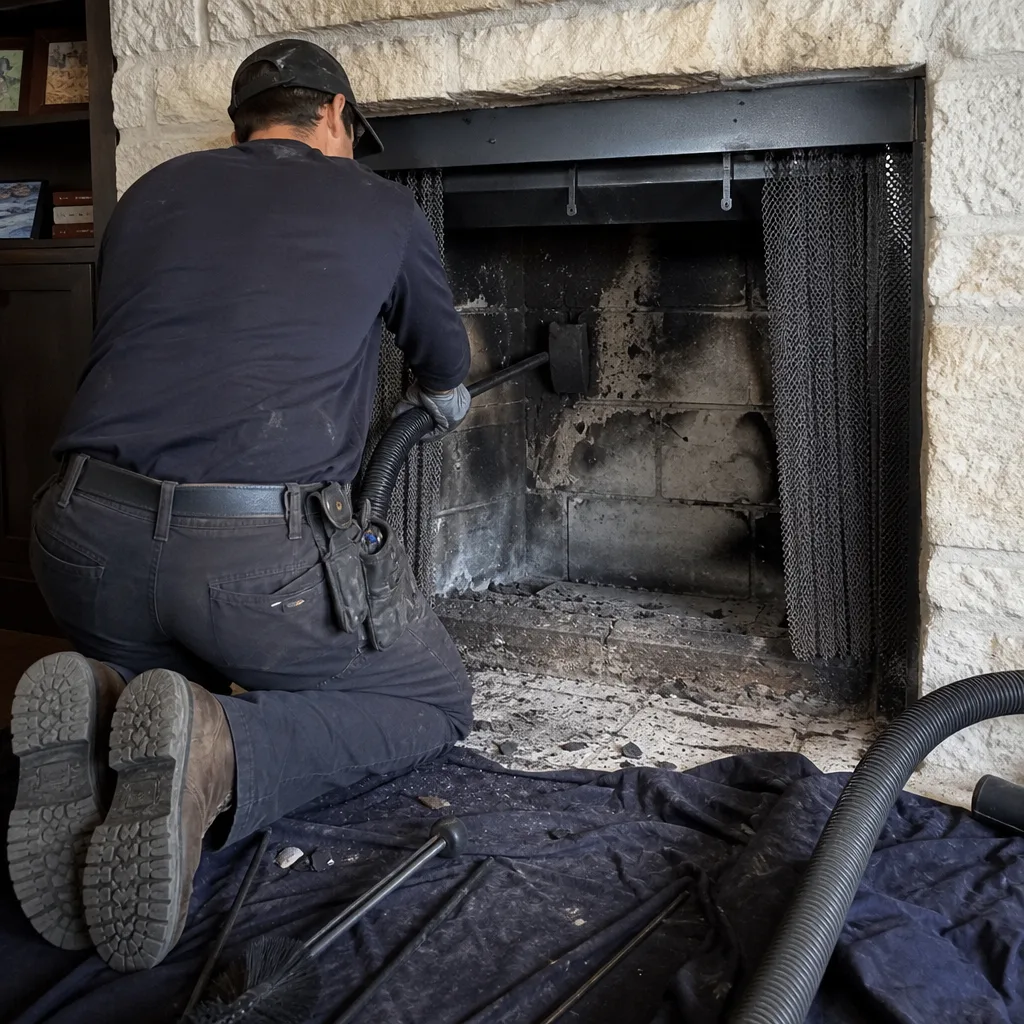 Before
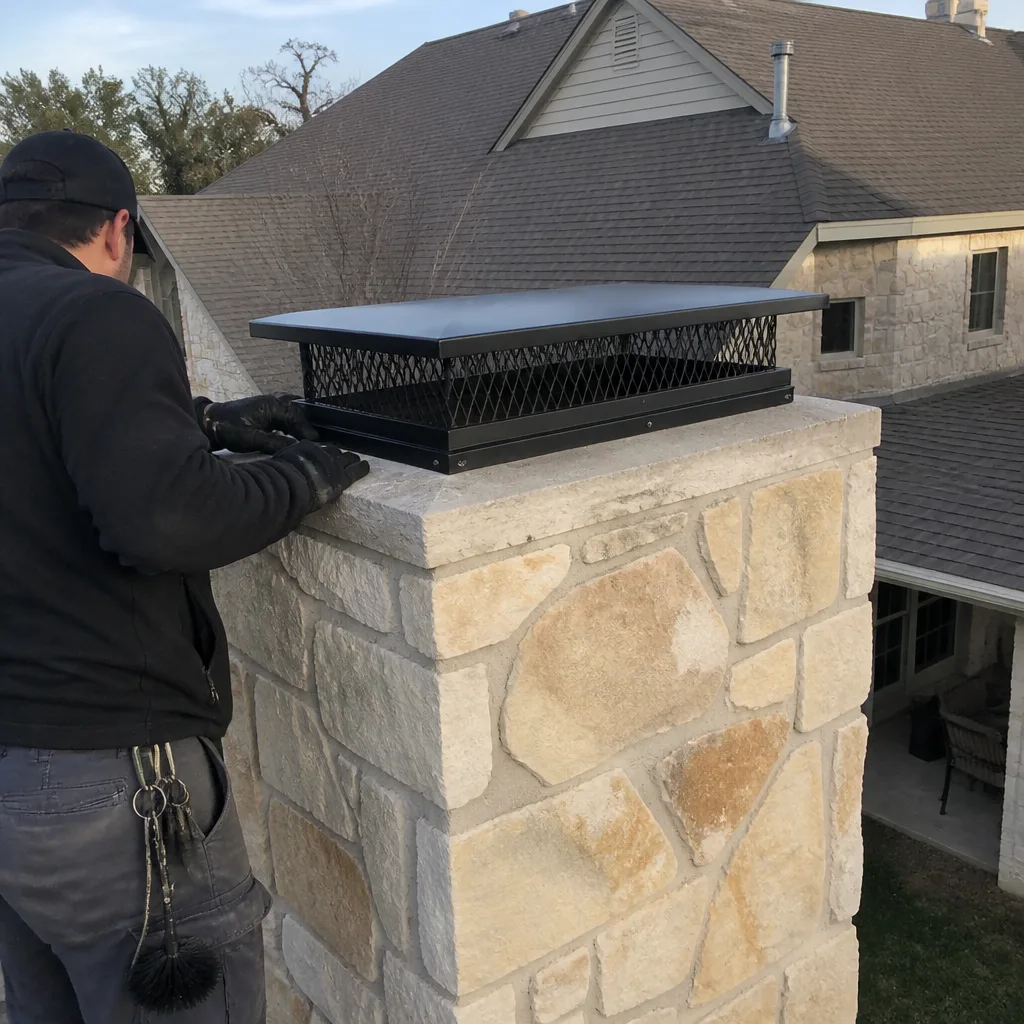 After
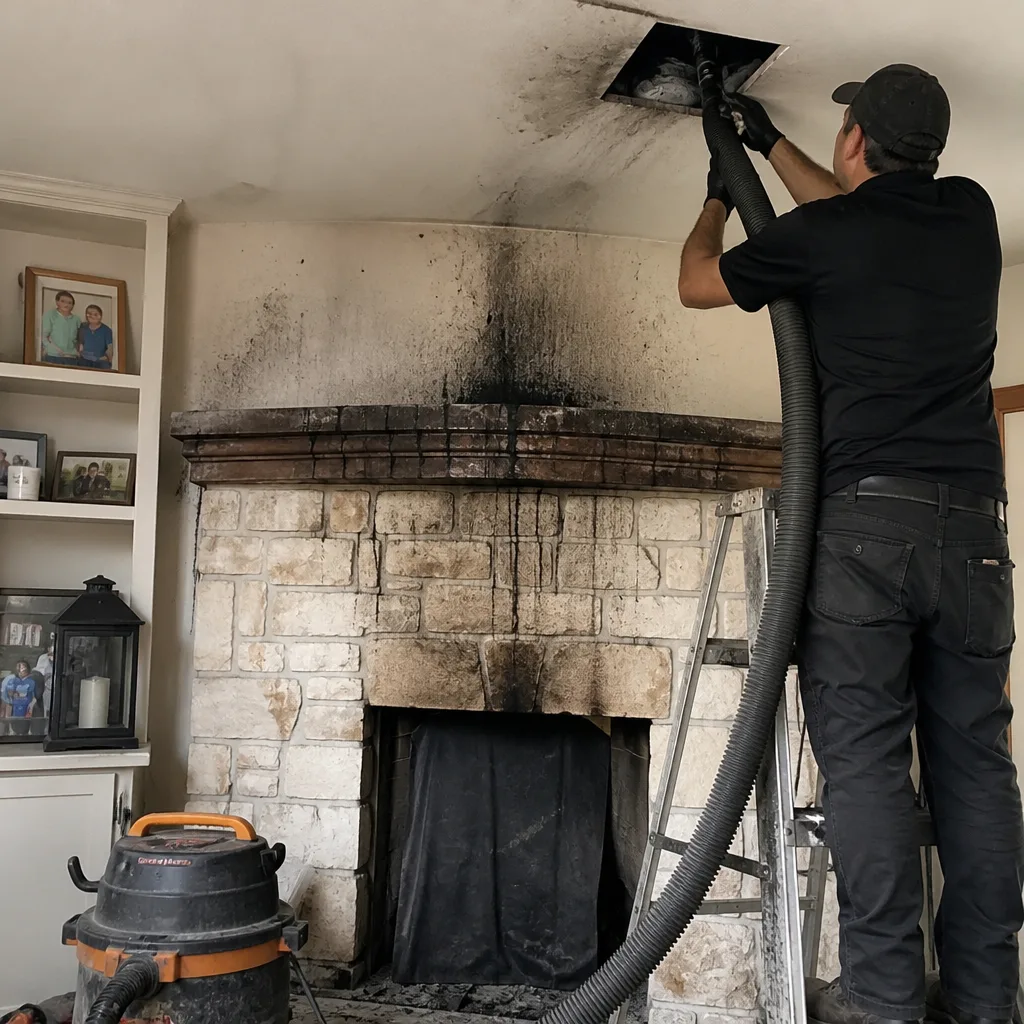 Before
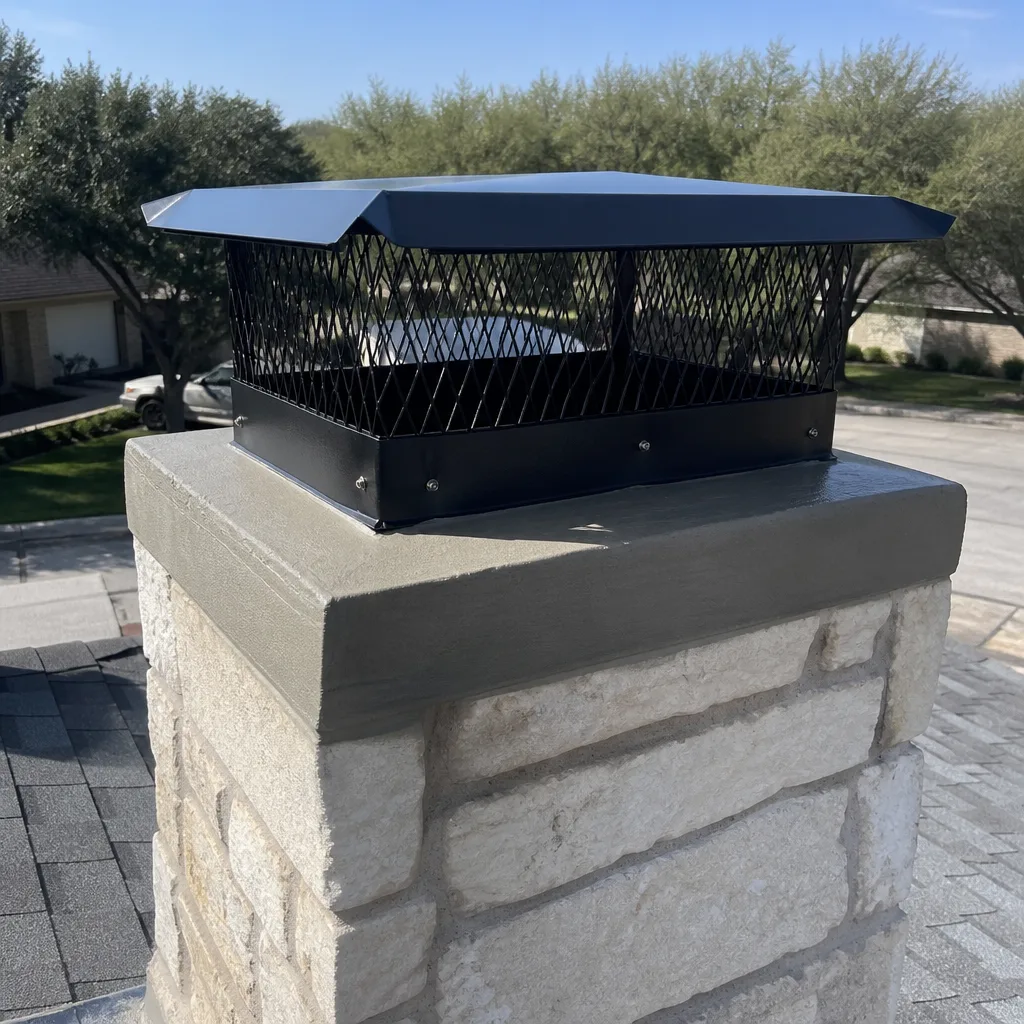 After
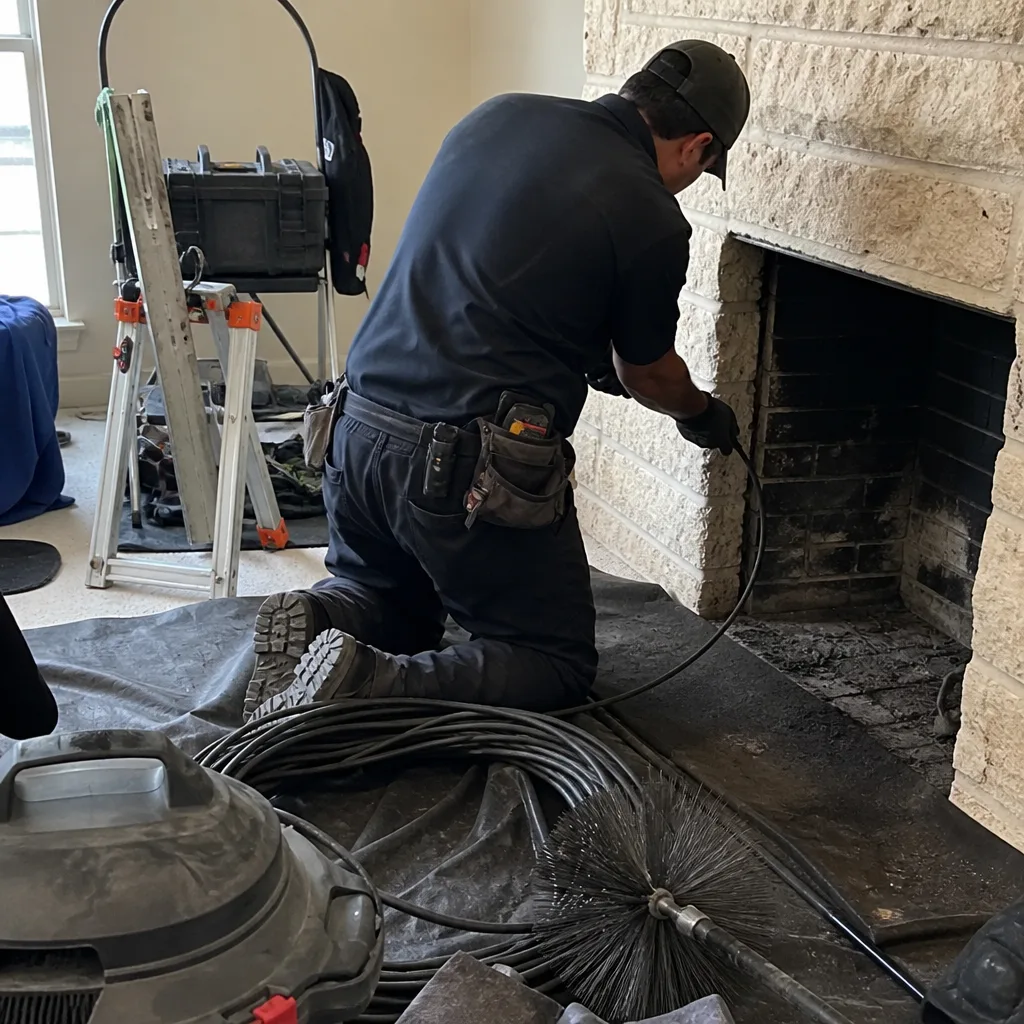 Before
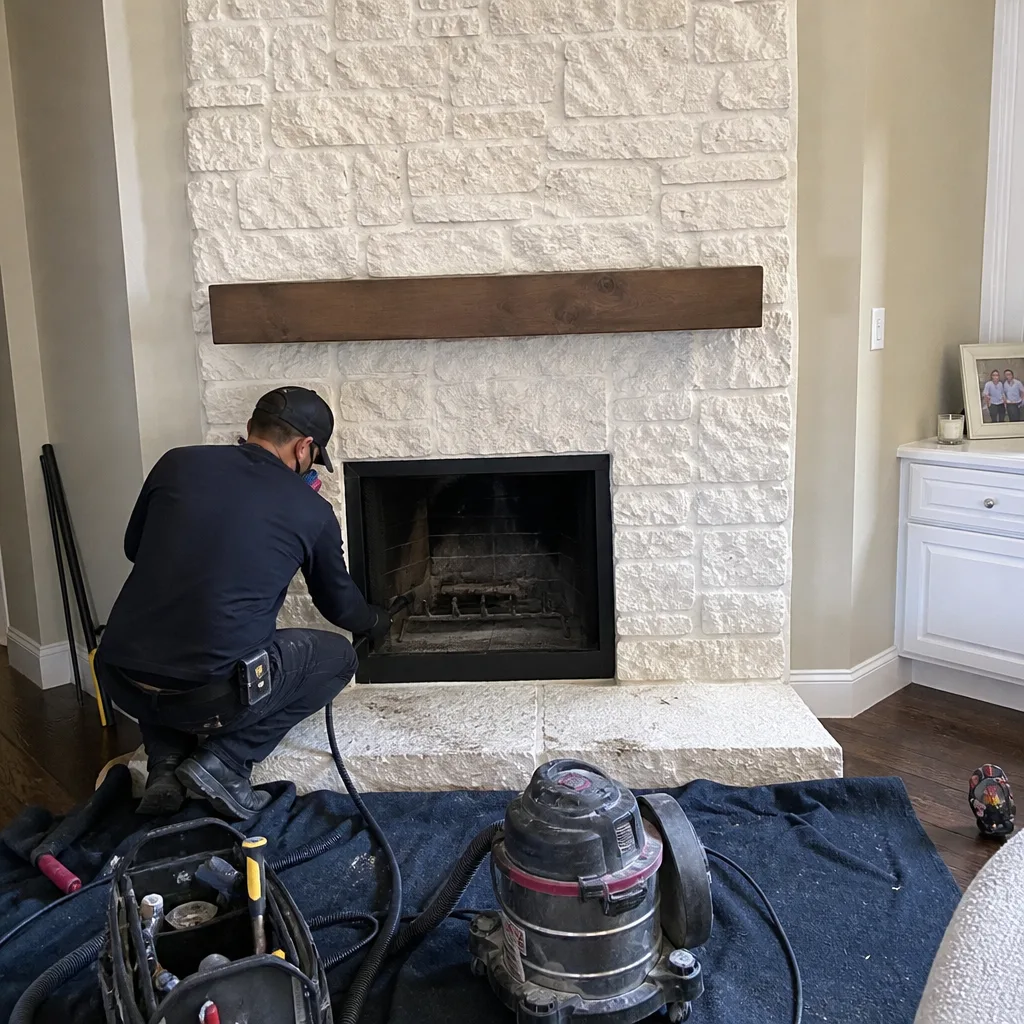 After
When to Call a Professional
Some chimney work is safe to defer. Some is not. You should call a professional in San Marcos if you notice any of these conditions: a burning smell when the fireplace isn’t in use, visible smoke in the room during a fire, flaking or staining on the exterior masonry, water in the firebox after rain, a cap that’s missing or visibly damaged, or creosote buildup you can see by shining a flashlight up from the firebox. If you’ve had a chimney fire, even a small one, have the chimney inspected before the next use. If you’ve recently bought an older San Marcos home with a masonry chimney and no maintenance records, schedule an inspection before your first fire. And if your dryer takes more than 45 minutes to dry a load or the laundry room feels hotter than it should during a cycle, the vent may be restricted. Oakgrove Chimney Sweep offers free estimates in San Marcos and the surrounding area, including Dryer Vent Cleaning in San Marcos as a core fire-safety service, not an add-on. Call (866) 472-2513 to schedule.
Frequently Asked Questions
Chimney cleaning in San Marcos typically runs from $180 to $350 for a standard masonry fireplace with an accessible roof, depending on the level of creosote buildup, liner condition, and whether the inspection is Level 1 or Level 2. Fireplace inserts and gas direct-vent systems cost less to service. Anyone quoting below $75 is running a loss-leader, and the cost of that visit usually arrives later, in the form of repair recommendations. Oakgrove Chimney Sweep uses flat pricing agreed before we show up, with no surprise line items. Call (866) 472-2513 for a quote based on your specific fireplace and chimney.
Ask to see the camera footage. A legitimate chimney contractor in San Marcos will show you photographic evidence of the problem: cracked tiles, gaps between sections, or deteriorated mortar. If the recommendation is based on visual observation of spalling and flaking inside the flue, that evidence should be in your post-sweep report. If the contractor can’t show you the problem, get a second opinion before authorizing any liner work. In our experience, many liners that get condemned by high-pressure operators are fine for continued use with monitoring, and we’ll tell you plainly when work can safely wait.
The standard is annual or every 40 to 50 fires, whichever comes first, regardless of the type of wood you burn. Even if you only use the fireplace occasionally, an annual inspection catches water intrusion, animal nests, and liner deterioration before they become structural problems. San Marcos’s humid climate and occasional freeze-thaw cycles make an annual exterior moisture check worth the cost on its own. Homes with heavy seasonal use should schedule in late summer or early fall, before burning season starts.
Creosote accumulates. Creosote is unburned wood tar that condenses on the flue wall, and it is combustible at temperatures as low as 451 degrees Fahrenheit. A thick enough layer can ignite as a chimney fire that reaches 2,000 degrees and cracks the liner, allowing fire to reach the structure of your home. Less dramatically, a clogged or restricted flue will draft poorly, pushing smoke and carbon monoxide back into the house. Skipping cleaning means gambling on a flue you can’t see, in a system that holds fire in your home on purpose. Call (866) 472-2513 for a sweep quote, and the chimney is one less structure in your house to worry about.
You can buy chimney brushes at hardware stores, and many San Marcos homeowners have tried this, but here’s the trade-off: a do-it-yourself chimney cleaning gives you no inspection. You can remove the creosote you can reach, but you cannot evaluate the liner, the smoke chamber, the crown, or the flashing from the roof with a brush and a flashlight. Most homeowner-cleaners miss exactly the damage that matters, and proper rotary equipment removes creosote from flue surfaces that hand brushes can’t fully reach. The standard is not just “clean,” it’s “verified clean and sound.” Professionals do both.
Yes, because water, not fire, is the primary threat to an unused chimney. San Marcos rain, humidity, and the occasional freeze cycle take a toll on exposed mortar, and an uncapped or poorly capped chimney is a water entry point, an animal entry point, and a debris collection system. We recommend an annual inspection even for unused chimneys, because the alternative is discovering the problem when you finally do light a fire or when a ceiling stain appears below the chase. Chimney repair after water damage is significantly more expensive than maintenance before it.
The Bottom Line
Hiring a chimney cleaning contractor in San Marcos is not the same as hiring a house cleaner, and treating it that way is how homes end up with unverified repairs, missed structural damage, or unscrupulous upsells sold on fear. The right contractor is CSIA-certified, carries insurance that actually covers chimney-specific risks, names the materials they stock and install, and provides camera documentation you can see with your own eyes. Chimney Repair in San Marcos is a full-scope service at Oakgrove Chimney Sweep, meaning what we find during a cleaning gets diagnosed and fixed in the same relationship, not outsourced to a third crew you didn’t vet. A chimney is a combustion system that runs through the center of your home. Hire someone who treats it that way.
Written by the team at Oakgrove Chimney Sweep, serving San Marcos since 2017.